
Article by Niccolò Bedino
Translation by Valeria Marconi
Hollywood promises you the world. However, after stealing your soul, it often gives you only a pale reflection of what you were looking for in return. Billy Knight, Alec Griffen Roth’s debut film is a love letter to cinema, a tale which is halfway between reality and imagination. This is the journey of a young artist who is trying to understand if cinema can save him or if it is only a sweet illusion.
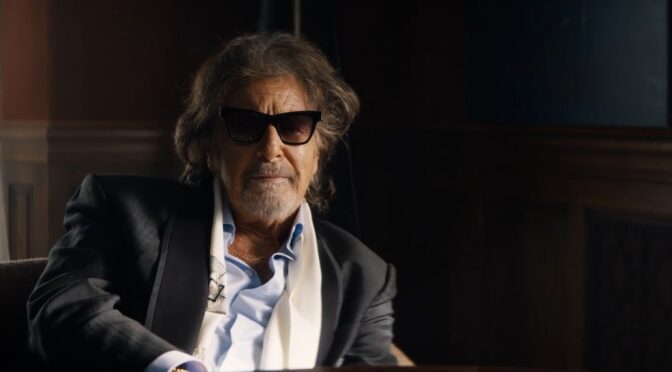
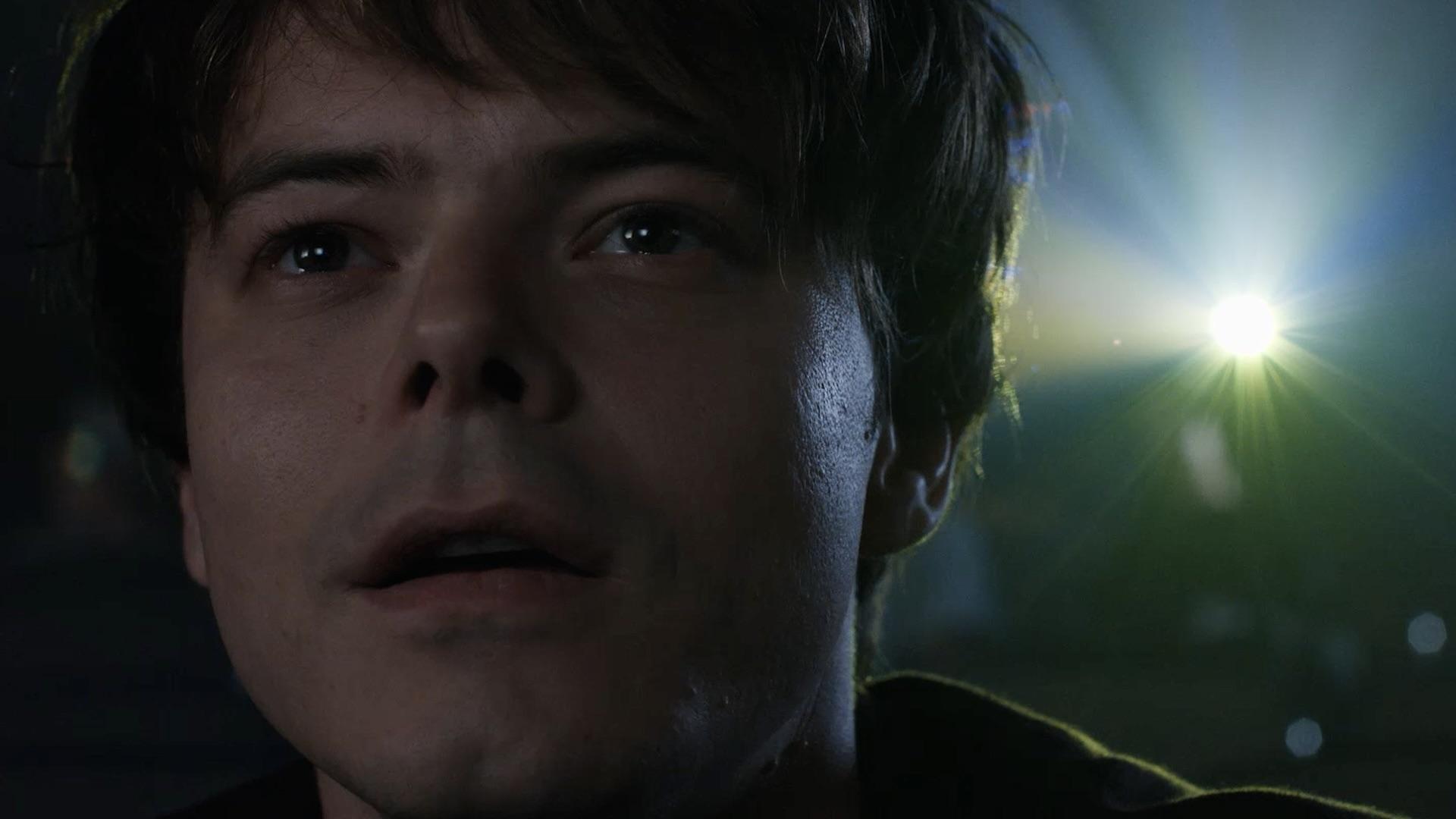
Alex (Charlie Heaton) is a young film student who inherits from his father –a failed screenwriter– a box containing unfinished scripts and a handkerchief with a mysterious name written on it, Billy Knight. From this moment the story continues as a sort of Midnight in Hollywood, i.e. a pilgrimage halfway between reality and imagination that is rooted in the history of the seventh art. From the carousel at Griffith Park to the Paramount studios, the protagonist is guided by a mentor who embodies the very seductiveness of cinema. The Billy Knight played by Al Pacino is both a real and phantasmagorical figure, a projection of everything Alex dreams of becoming and of every uncertainty he needs to get rid of in order to become the director he wants to be.
Behind the cinephilic fairy tale lies another truth, a tougher and more necessary one: all those magical and sacred adventures that Alex lives alongside his idol –the meeting at the cinema while watching Pinocchio, the moment when Billy is “finally” acknowledged by the Academy– do not belong to the real world: in fact, they represent his grieving process, a defense mechanism used in order to escape from what really matters in life. It is his childhood friend who reminds him of this: Emily (Diana Silvers), who has always been secretly in love with Alex, is a constant and loyal friend for him, but he neglects her to pursue his lucid dream.
Roth made his film as a sort of debut testament: the cinephile references and echoes –from The Fabelmans (Spielberg, 2022), to Babylon (Chazelle, 2022) and Nuovo Cinema Paradiso (Tornatore, 1988)– serve as emotional compass and poetic statement. It is a nostalgic representation of an ideal cinema, also narrated through the opening credits sequence which traces the history of the seventh art like an album of collective memories.
Billy Knight alternates between homage and disillusionment, between the need to belong to the myth and the awareness that no myths can replace life. The director is well aware of this when he states that the film is the story of “two lost artists and the inner journey of a young man searching for his own voice”. It is that same voice that Alex will finally find, only after letting his imaginary friend go.