
Article by Mirko Serra
Translation by Maria Iacovone
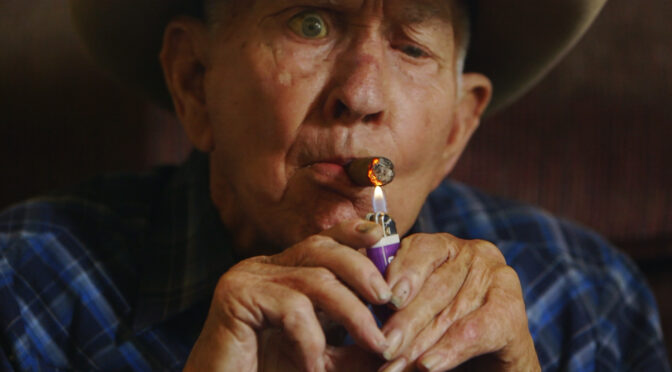
In New Mexico’s most remote areas, marked by drought and arson, the last cowboys survive, shadows of a bygone era who move in silence through isolation and solitude. With Land With No Rider, Tamar Lando carries out an anthropological analysis of a myth’s slow sunset: there’s no sign of the manly hero on horseback; instead, there are lonely men, tired and weak, remains of an America that decided to forget its past. Under their hats, they still wear flannel shirts and old leather boots and, between cigarettes and country songs, the three protagonists reveal the dark reality concealed behind the everyday life of the Southwest, where time stands still, in contrast with an ever-changing country.
Presenting the documentary in competition at the 43rd edition of the Torino Film Festival, Lando explains how her first feature film came to be: the idea took shape during her experience as a photographer in the Mimbres river valley, a place so isolated that the only gathering point was a small bar frequented by cowboys. At the theatre, to my question on how she managed to win their trust, the director answered that the long friendship formed through time established an excellent foundation, allowing her to narrate their lives with extreme familiarity. «I tend to never give instructions or suggestions [on how to act in front of the camera] and I was absolutely open to capture all the ethereal moments that could arise while being together».
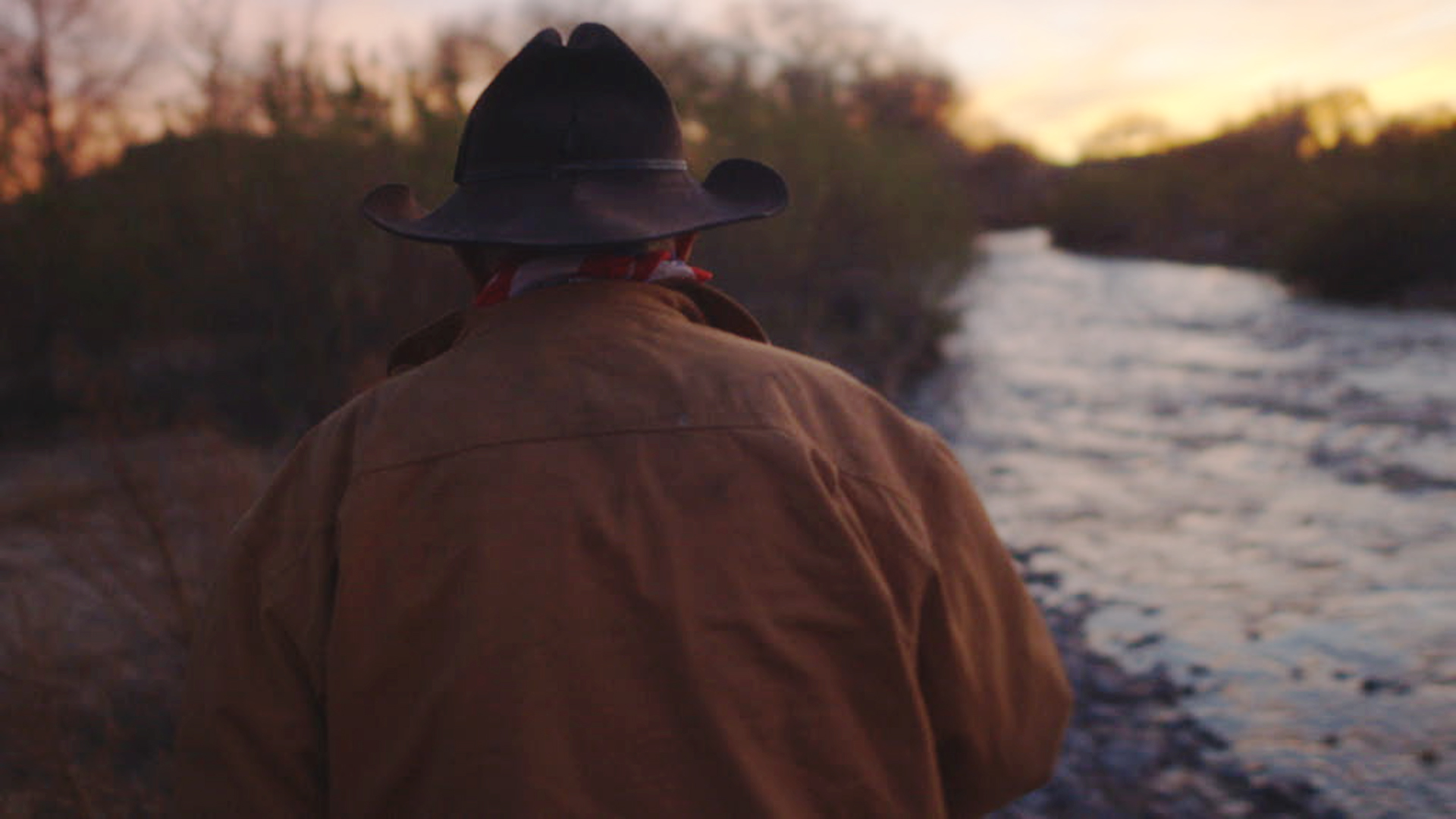
The cinematography is one of the highlights of the movie: New Mexico’s depopulated landscapes couldn’t stand out without Lando’s meticulous attention – product of a long experience in the art of photography – and the care for the mis-en-scene. Dominating this wilderness there is, however, a grim feeling of death, which returns cyclically throughout the movie: the carcass of the calf who didn’t survive the weaning, the passing of the dog (and sole companion) of one of the cowboys, until the real deaths of two protagonists during and after the shooting of the film. It’s a parable which Lando uses to remind us of the impending end of what we’re observing: not only the decline of the western epic, but also the extinction of a natural habitat which the man himself keeps on endangering. The film, however, is not intended as an environmentalist manifesto filled with patriotism. Instead, it relies on melancholy and a sense of resignation towards a world which at this point seems to have given up: the same feeling the three protagonists go through, now too old to find a place in today’s world. This makes Land With No Rider a moving portrait of the other America, the less narrated one, suspended on the brink of disappearance and conveyed through the last testimonies.