
Article by Martina Vulpitta
Translation by Anna Smaniotto
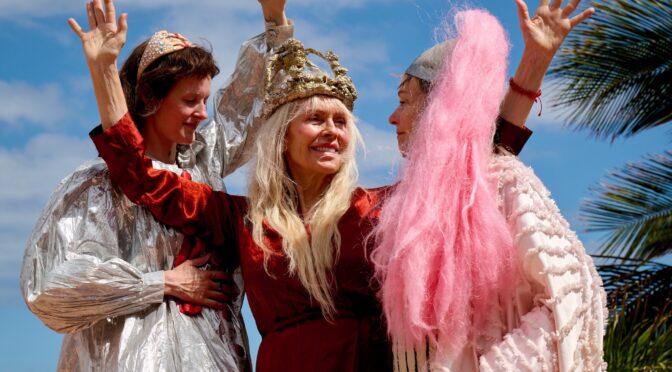
Lily (Renate Reinsve) and Diana (Helene Bjørneby) return to Gran Canaria following the death of their mother, Vera (Lillian Müller). What they find there is not only the remnants of the chaotic life they tried to escape, but also a painful past they need to face in order to move on.
The two sisters lead quite different lives, but they are both bound by the loneliness that comes with their strong sense of individuality. It is with this individuality that shapes the way they deal with their painful childhood memories and their impact on their relationships with others. Although they express this detachment in different ways, both seem to have carved out a space for themselves. However, the women they have become do not reflect who Lily and Diana truly are and, above all, they bear little resemblance to the mother they hated so much. Once in Gran Canaria, they let go not only of their mother’s memory, but also of the masks they had hidden behind until then. This process of unmasking – or “de-armoring”, as the film describes it – unfolds gradually as they go through the legal procedures required to sell the land surrounding the observatory, where Vera’s pottery studio was supposed to be built. There, the two sisters piece together a new image of the woman they had left on the island years before. Although no longer physically present, Vera becomes the catalyst for their rediscovery of themselves and their bond. This process requires them to shed the layers that have shaped their identities, recall their past, seek forgiveness and set aside their own sense of self to embrace the warmth of the Gran Canaria community.
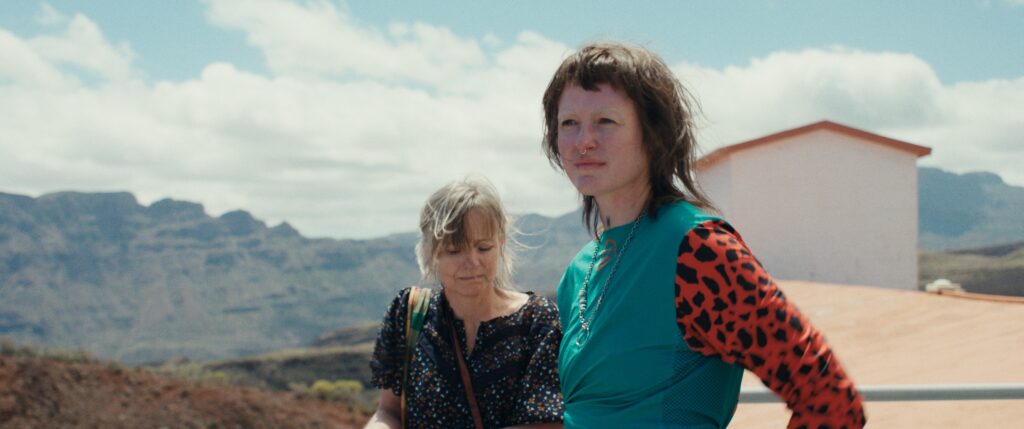
The director seems to draw a contrast between the coldness of Norway and the warmth of the Canary Islands, not only visually, by juxtaposing shots of snow-covered streets with images of Gran Canaria’s beaches but also through the sisters’ increasingly spontaneous behaviour: Lily’s clothes become more casual, Diana stops using her crutch – which seemed to provide emotional rather than physical support – and it is precisely through this newfound spontaneity that they reconnect. Letting go of their bitterness and rigidity allows the two sisters to bond with the people who knew their mother and, by overcoming the pain all together, they finally leave the past behind and turn towards the future.