
Article by Andrea Rotondaro
Translation by Nicolas Casari
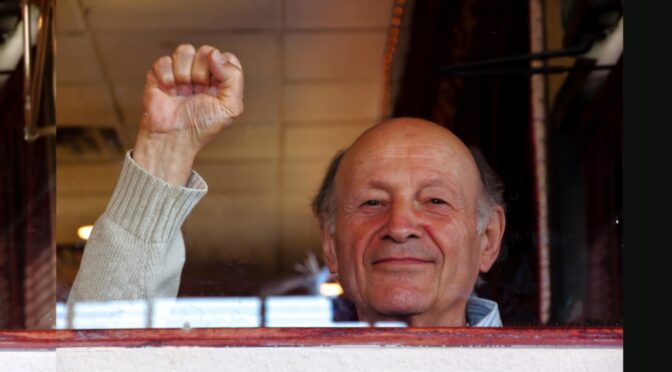
Few university professors can claim to have inspired an entire generation of students. And even fewer have left an indelible mark on both their universities and their hometowns. Among these inspiring figures, anyone from Turin would surely mention Gianni Rondolino, whom Mimmo Calopresti pays tribute to in his documentary Rondolino docet.
“We were glad there was no silence, because silence is something I simply can’t associate with Rondolino” says Steve della Casa, co-writer of the film, in an interview with us at Cinedams. An eclectic figure with a keen intellectual curiosity, as Giaime Alonge recalls in one scene, Rondolino devoted his life not only to the study and teaching of cinema in all its forms, but also to young people, both in Turin and beyond. This commitment culminated in 1982 with the founding of the Festival Internazionale Cinema Giovani, now known as Torino Film Festival.
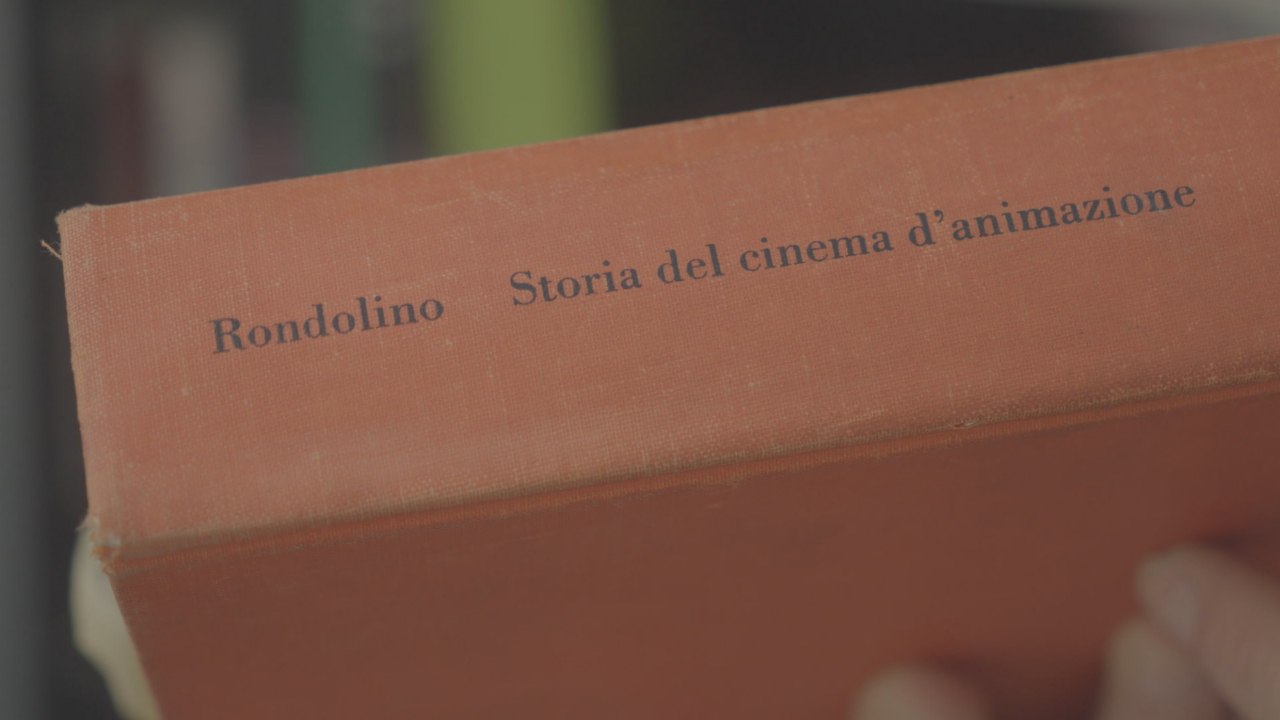
Calopresti wisely chooses to tell Rondolino’s story by showing very little footage of Rondolino himself. Instead, it is his family and, above all, his former students – now film critics, journalists and academics – alongside clips from the films he loved most, which bear witness to his legacy. This portrait is framed by the places in Turin that meant the most to him, from Palazzo Nuovo to the Museo Internazionale del Cinema, as well as his extensive personal library, explored by Silvio Alovisio. Rather than offering a blindly reverential portrait, the film provides a thoughtful look at the legacy Rondolino left behind and the lasting impact he had on the city of Turin, revealing how his influence continues to be felt in ways that are not always immediately visible. The interviews with people who met him, directly or indirectly, convey the enormous impact his lectures had on those who attended them. To name just a few, three of the interviewees, Giaime Alonge, Silvio Alovisio and Giulia Carluccio, are now prominent professors at the University of Turin’s DAMS.
This documentary, besides being a great tribute, also invites us to reflect on what remains of such an important figure. Not only do we have a tedious series of hagiographic portraits, serving only to distance us from the person they depict – like the ones Warhol dedicated to Marilyn Monroe, the subject of this edition of the Torino Film Festival – but there is also the living, pulsating mark left by the connection with Rondolino, a legacy that continues to be renewed through this very documentary.