
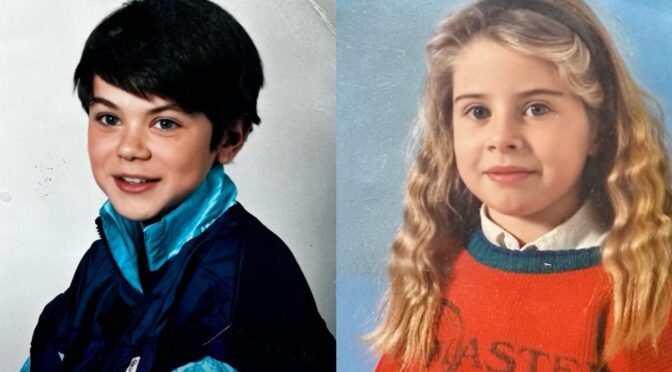
Article by Martina Vulpitta
Translation by Maria Pasquetto
«This is not the end of the story» says Pepa Lubojacki at the end of their documentary. And indeed, we never stop growing up and getting to know ourselves, as our beliefs may be challenged, our loved ones may put us to the test, forcing us to rethink ourselves and our limits.
The director uses familiar means of self-representation, like mobile phones and various filters which alter images and voices, to take the audience on an intimate journey through the story of their brother and their cousins, homeless men struggling with various addictions. In laying bare the lives of their relatives with “brutal honesty”, Lubojacki also lay bare their own. From an initial feeling of shame, the story then moves forward trying to find the motives behind these addictions. Thanks to another controversial tool of our times – artificial intelligence – the photos of their father and other family members come to life, showing the harsh reality of their situations. After yet another relapse of their brother David, Lubojacki stops looking for an explanation and focuses on the up-and-down bond between them. From this moment on, the emotions portrayed in the scenes overwhelm the audience with a brutal honesty that characterizes the entire film. The director becomes part of the story they’re telling, even though their own journey is not a typical rehab process, as the final part focuses on their admission to a psychiatric ward and on their acceptance to be powerless when it comes to helping their brother. Accepting this limit will allow them to reconnect with him and talk to him sincerely, without any more judgment or blame.
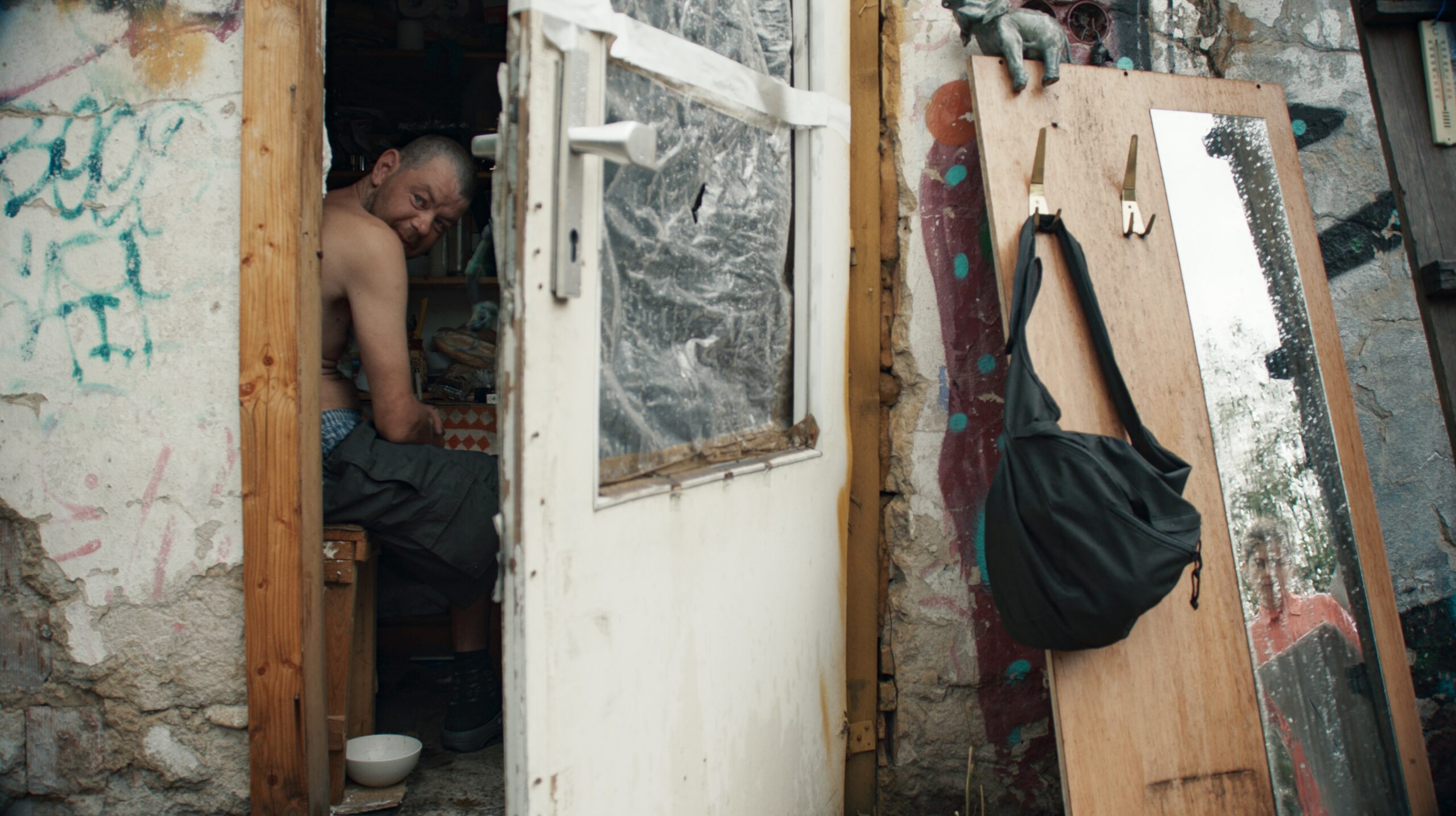
If Pigeons Turned to Gold is a bold documentary that subverts the conventional tools typically used to present glossy and unrealistic stories and instead uses them to make us reflect on self-acceptance and acceptance of others. After all, one can show the reality as it is, without the need to turn pigeons into gold.