
Article by Vittorio Barbieri
Translation by Giulia Zanotto
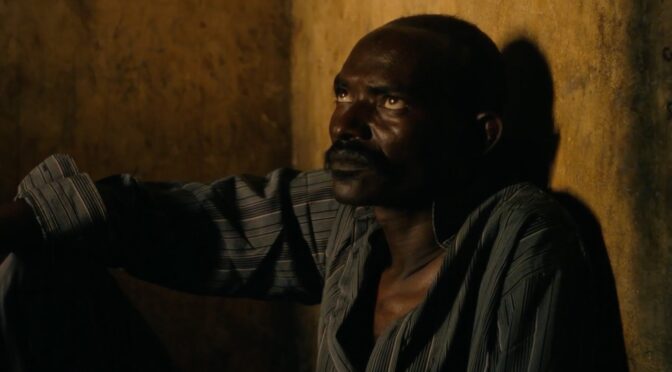
The life of Dane (Ferdinand Mbaïssané), a driver for an NGO in N’Djamena, proceeds normally until a tragic incident exposes him to the burden of diya: the bloody price a family wants him to pay for running over their son. From this moment on, the movie turns into an introspective journey into which responsibility, guilt and redemption intertwine, dragging the audience into a syncopated thriller.
Through Diya, Achille Ronaimou portrays Chad’s reality as an anthropologist would do. Traditions, rituals and ethnic groups emerge as the living backbone of the story, without leading to easy moral judgement. This is rendered especially through to a measured screenplay, far from a crude spectacularization of tragedy. Tension does not arise from simple outbursts of violence, but from the rhythmic build-up of failures and humiliations which progressively cage the characters. While maintaining a realistic and plausible tone, at times the movie exaggerates in its attempt to keep the audience’s attention high, ending up introducing a partially forced plot twist in its final climax.
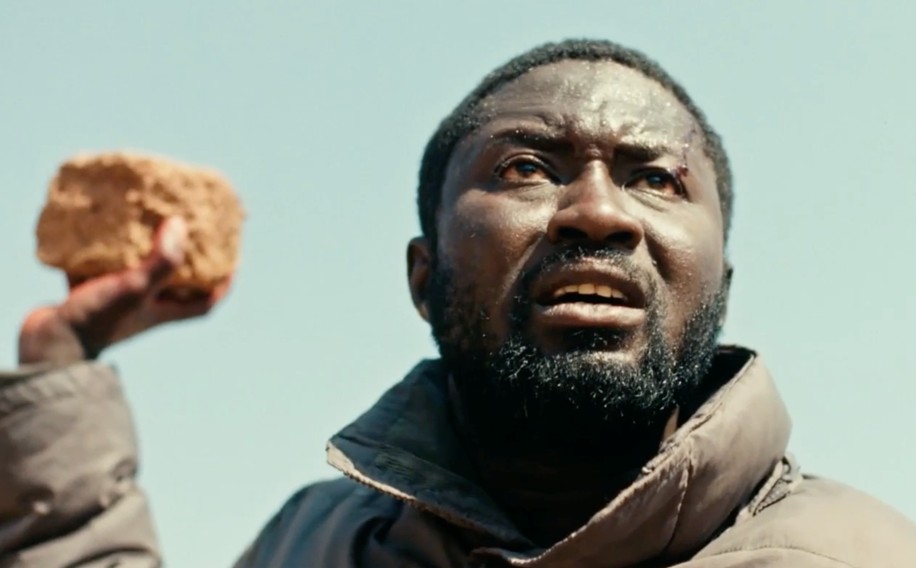
The tragedy unfolds on the arid streets of a suffocating N’Djamena, an allegory of the chaotic isolation and vulnerability that weigh heavily on the Chadians every day. Ronaimou cleverly exploits the complex cultural landscape of the country, transforming it into a snapshot of an endemic contrast between tradition and modernity, which indiscriminately affects anyone who lives there. Dane is a man torn both by his actions and by the unwritten laws of his people. In this role, Ferdinand Mbaïssané expresses himself with great tact and depth, conveying all the nuances of pain without ever seeming unnatural or grotesque. Youssouf Djaoro is less fortunate, sacrificed by a script which aims at making him the symbol of an irreproachable cultural norm rather than depicting him as a father. On the contrary, Moussaka Zakaria Ibet is perfect for the role of Oumaru: he skilfully creates a marginalised and defeated antihero, who perfectly embodies desperate subsistence crime.
Diya probes the immobilism of traditions, showing how a single mistake can open up an abyss in which justice and homicide become blurred. Ronaimou offers neither redemption nor condemnation, but observes the irreducible human complexity, leaving the viewer with a sense of unease that is difficult to shake off.