

Article by Marilina Rita Monzo
Translation by Francesca Corino
Everything starts with a deed both creepy and moving: Eva kidnaps children, she is convinced that she must save them from a threat, visible only to her. The topic of child protection, already touched upon by the director Emanuela Rossi in Buio (2019), assumes in this film a key role. Eva’s impulse does not come from violence but follows a primordial instinct. Her mission seems to stem from a grief that can be read in her actions, a grief born from a traumatic event that changed her: it is a deep crack that swallowed her, like a wound that cannot be healed.
Eva, portrayed by the charismatic Carol Duarte, wanders through forests, parking lots, and shopping malls with the contemplative stride of someone who no longer belongs anywhere. She does not harm anyone, but she lives in a state of perpetual vigilance. In her mind, the rustle of leaves is a warning, a light is a signal, and the silence urges her to go on even when she wants to stop. It feels like she is following the orders of a higher power, something only she can perceive.
The film looks at both the main character and the environment with the same empathy. For Eva nature is a vulnerable, but still intact place, her only safe space. In the contrast between the countryside and the polluted city, between threatened environments and potential calamities, she comes to understand that the world has lost its roots.
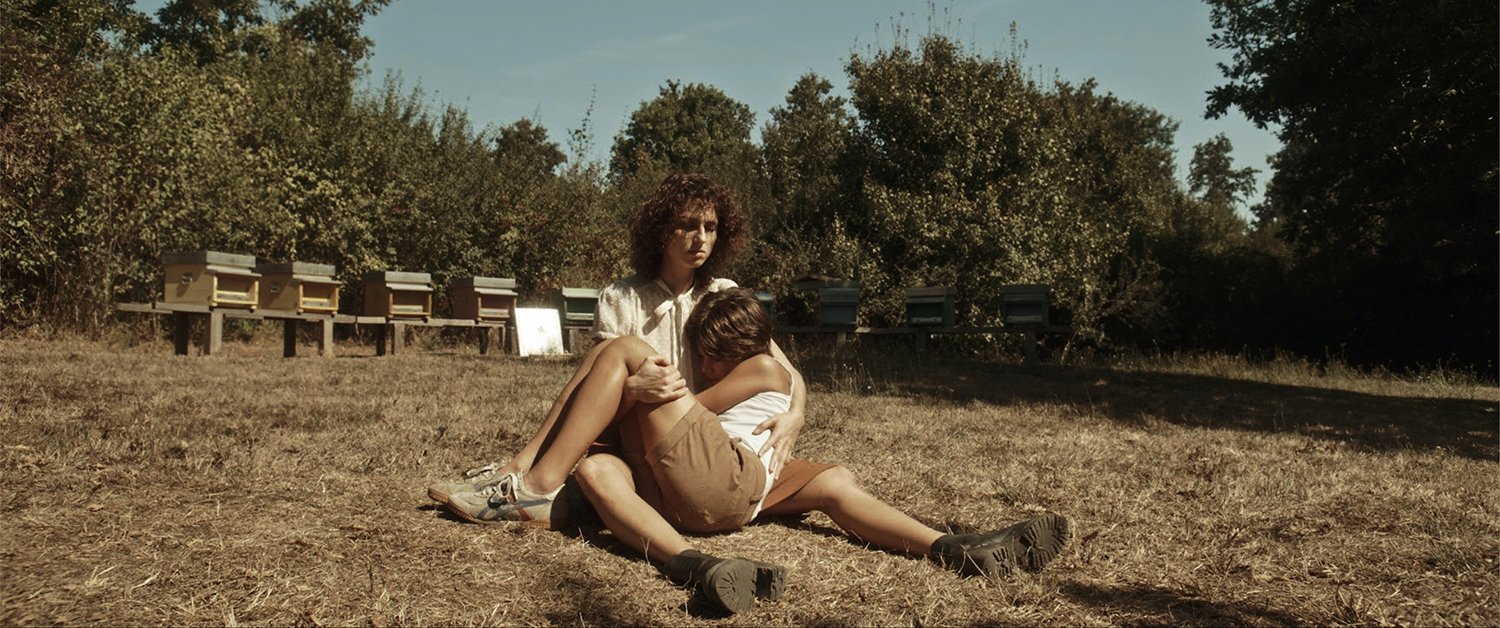
Her meeting with Giacomo (Edoardo Pesce), a beekeeper living with his son Nicola in a farmhouse nestled in the greenery, gives her a glimmer of hope. In that way of life made of simple things and fresh air, Eva catches a glimpse of peace. For a moment, it seems possible to live differently. The film also depicts the story of a Chinese woman, who is faced with the illness of her daughter. Even though their stories are never intertwined, these women share the same emotions: the fear of losing a child and the need to save them at all costs. Their anguishes mirror each other, like two shades of the same grief.
The narration follows Eva’s life without either judging or absolving her, trying to understand where her vital need of protection comes from. The film is open to interpretation: its aim is not to solve a crisis, but to show its emotional weight, its intensity, and the loneliness of the characters who are enduring it. Through her ambiguity and suffering, Eva demonstrates that she is deeply human.