
Article by Elisabetta Pala
Translation by Valeria Marconi
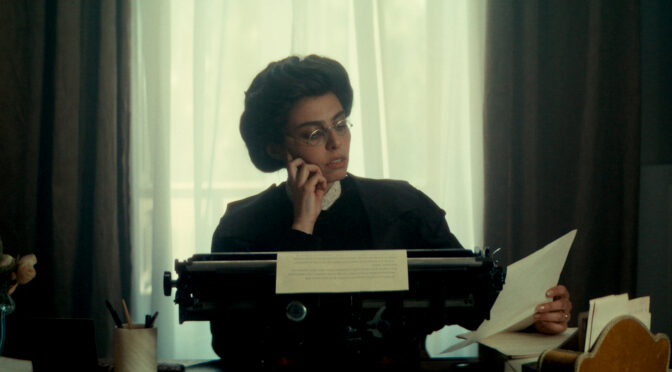
Presented at the 43rd TFF in the “Zibaldone” section, Peter Marcias’ Quasi Grazia is a film adaptation of the homonym theatrical novel written by Marcello Fois and played by Michela Murgia. It was made in order to investigate the person beyond the writer, starting from the title itself which took inspiration from Cosima, Quasi Grazia, the posthumous autobiography by Grazia Deledda. The figure of the author, narrated through three previously unknown moments of her life, is brought to the screen thanks to the performance of Irene Maiorino, Laura Morante and Ivana Monti.
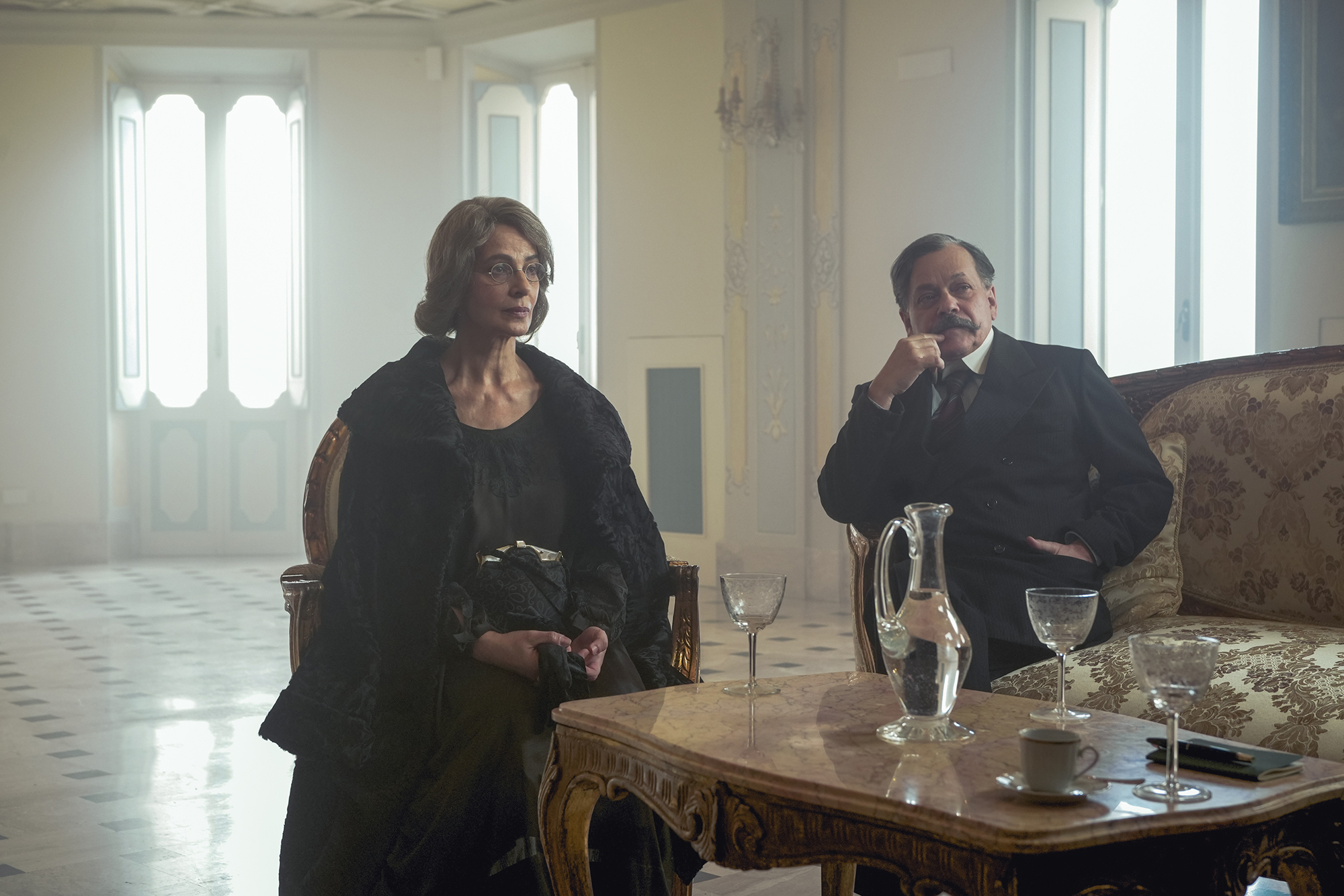
The film depicts Deledda’s inner conflict and sets the story first in Rome in 1907 (with Maiorino, playing her second literary character after the role in My Brilliant Friend, performing as the author); then in Stockholm in 1927 (this time with Morante playing Deledda); and lastly, back in Rome in 1935 (with Monti playing the woman). The film evokes several family ties: the conflictual relationship with her brother Santus (Stefano Mereu, who was already present at the 39th TFF with Il Muto di Gallura); the closeness of her husband Palmiro Madesani, who was harshly criticized by Pirandello for his complete subjection to Deledda and lastly, the complicity with her niece Mirella. Her mother, Francesca Cambosu (masterfully played by Monica Demuru), is the only recurring character in the entire story, as she embodies the deep torment that distresses Deledda, guilty of leaving Sardinia to move to the “mainland”. A maternal figure who appears to adapt to the patriarchal society of the time, but who claims a position as matriarch within the family.
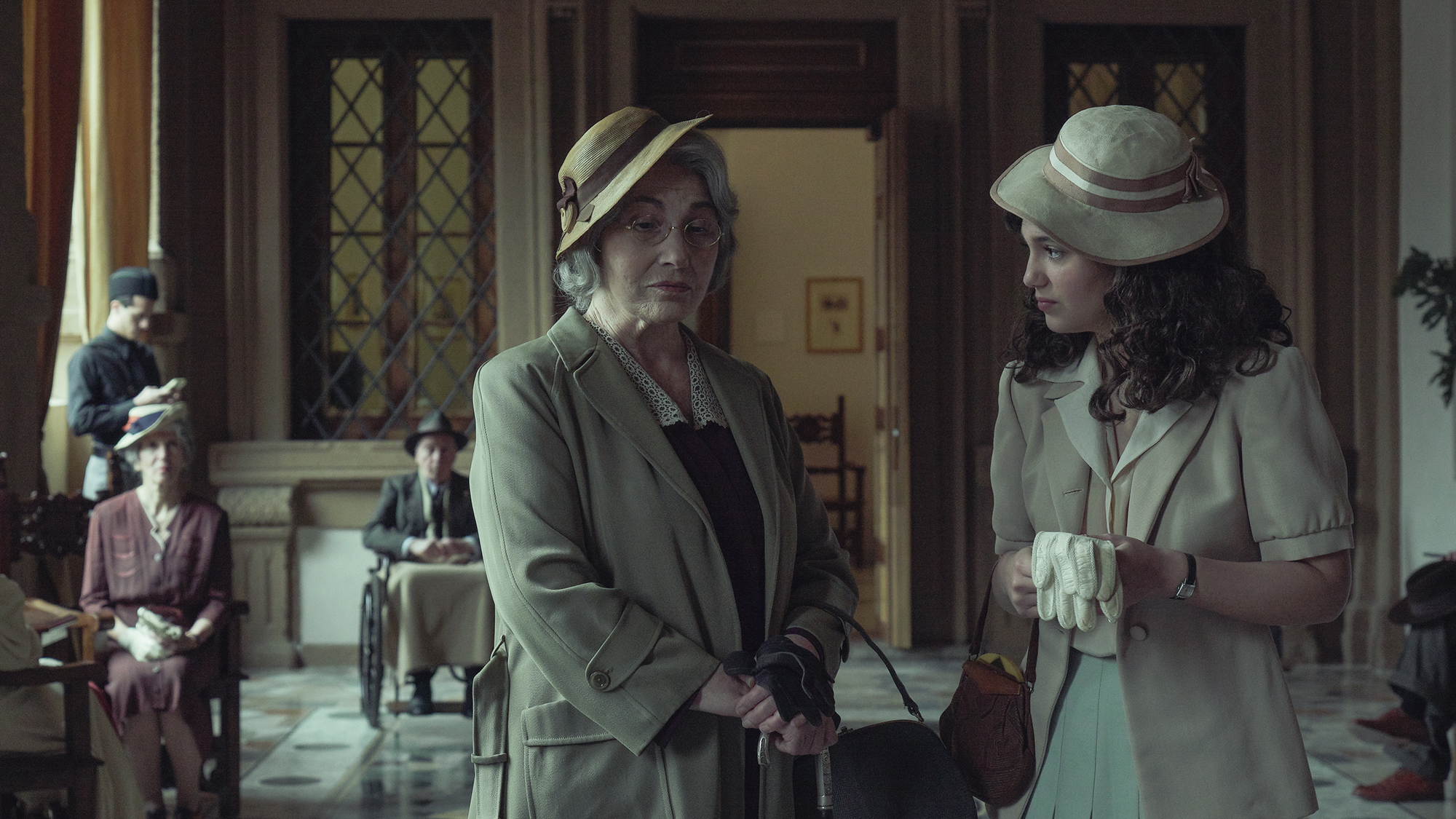
After dedicating some of his works to important Emilian female figures, Marcias returns to his roots. Sardinia is, in fact, constantly present: both through images of the island’s nature and traditions – memories conveyed in the form of fragments, which visually symbolize the long-term archival research – and in Deledda’s words, according to whom travel is the existential condition of islanders.
The choice of bringing the writer back to life through actresses from three different generations, confirms the existence of one, none and a hundred-thousand Deledda. Born Grazia Maria Cosima Damiana, the writer adopted different pseudonyms to conceal her identity, including «the most unusual and perhaps most representative of her own perception, Fea (meaning ugly in the Nuoro dialect)», as demonstrated by her biography, which is available on the website of her hometown, Nuoro. One hundred and fifty-four years after Deledda’s birth, Quasi Grazia wants to revisit an author, who is still understudied (despite being the only Italian woman to have won the Nobel Prize to date), while also rediscovering her modernity.