
Article by Marta Crippa
Translation by Carlotta Poce
Krux ends with a title card recalling that many Germans took their own lives in May 1945, with the end of WWII at hand. The film explores this phenomenon by focusing on the microcosm of a village in eastern Germany, where the realisation that the Third Reich is about to collapse disrupts the inhabitants’ daily lives. The villagers are divided between those who, out of blind devotion to duty, consider death preferable to defeat and those who would rather go on living. Compared to the concise account of historical facts that close the film and inspired its development, it is hard to say if the roughly ninety minutes that precede it add much.
The film never moves beyond its initial premise. Narratively, it confines itself to restaging situations in which the characters reiterate their positions through words or actions. Emotionally, it oscillates between sympathy for those who show an instinct for self-preservation and horrified disbelief in front of self-destructive impulses. The static quality of the story is further exacerbated by the lack of detailed information about the progress of the war, a choice that blurs the passage of time and thus prevents the characters’ actions from acquiring any sense of urgency.
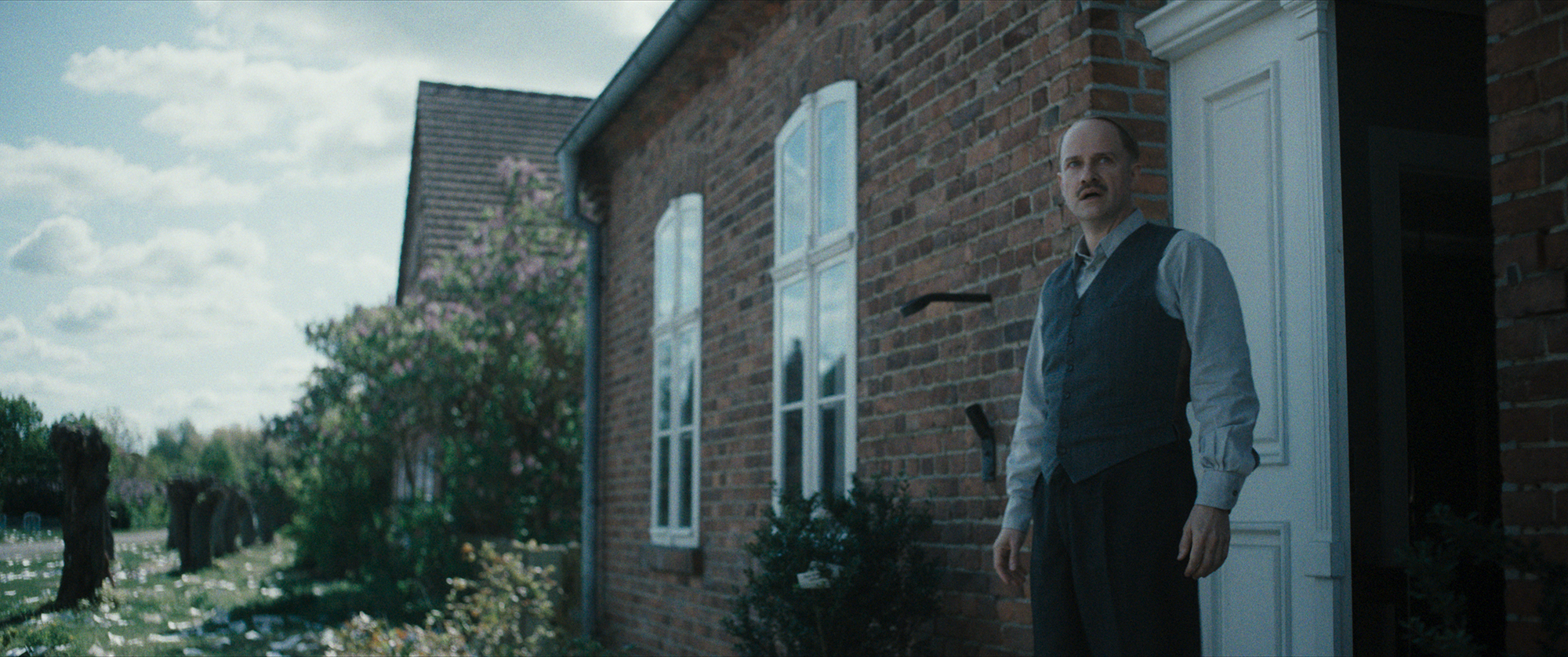
That same monotony extends to the thematic content. Scenes such as the one where the mayor gives his cat a cyanide pill, or the one in which the children are taught to tie a noose, rely solely on the revulsion that the Nazi cult of war and death is intended to provoke in the audience. Once these moments of shock are over, no further analysis is offered.
Merely labelling such behaviors as unnatural, without exploring or questioning the worldview that underpins them, results not only in a flat dramatic structure, but also in a lack of meaningful insight into the subject under examination.