
Article by Giada Franzoni
Translation by Viola Suria
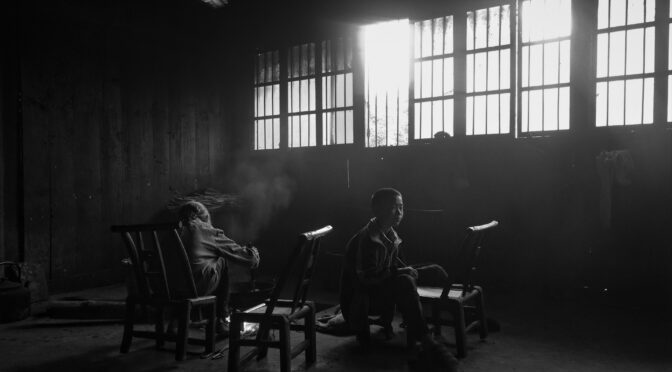
With Always, competing in the documentaries section of the 43rd Torino Film Festival, Deming Chen delivers a work of rare delicacy, a film that tiptoes into the solitude of a child gifted with extraordinary sensitivity.
For several years, the director follows Gong Youbin, who was born and raised in a remote mountain village in China, where he lives with his disabled father, his grandparents, and a handful of animals that sustain the family. His mother abandoned them after a workplace accident left her husband without an arm. This event convinced her that her partner was inadequate to care for her and their son. Out of this primal absence, Gong’s inner world takes shape, finding its own expression in poetry. Meanwhile, a government grants officer arrives at the family’s modest home to assess both the boy’s remarkable talent and the family’s dire poverty. The prospect of financial aid, promising a brighter future for Gong and a chance for the household to recover, offers the adults a breath of relief. Meanwhile, the child himself grows weighed down by responsibility.
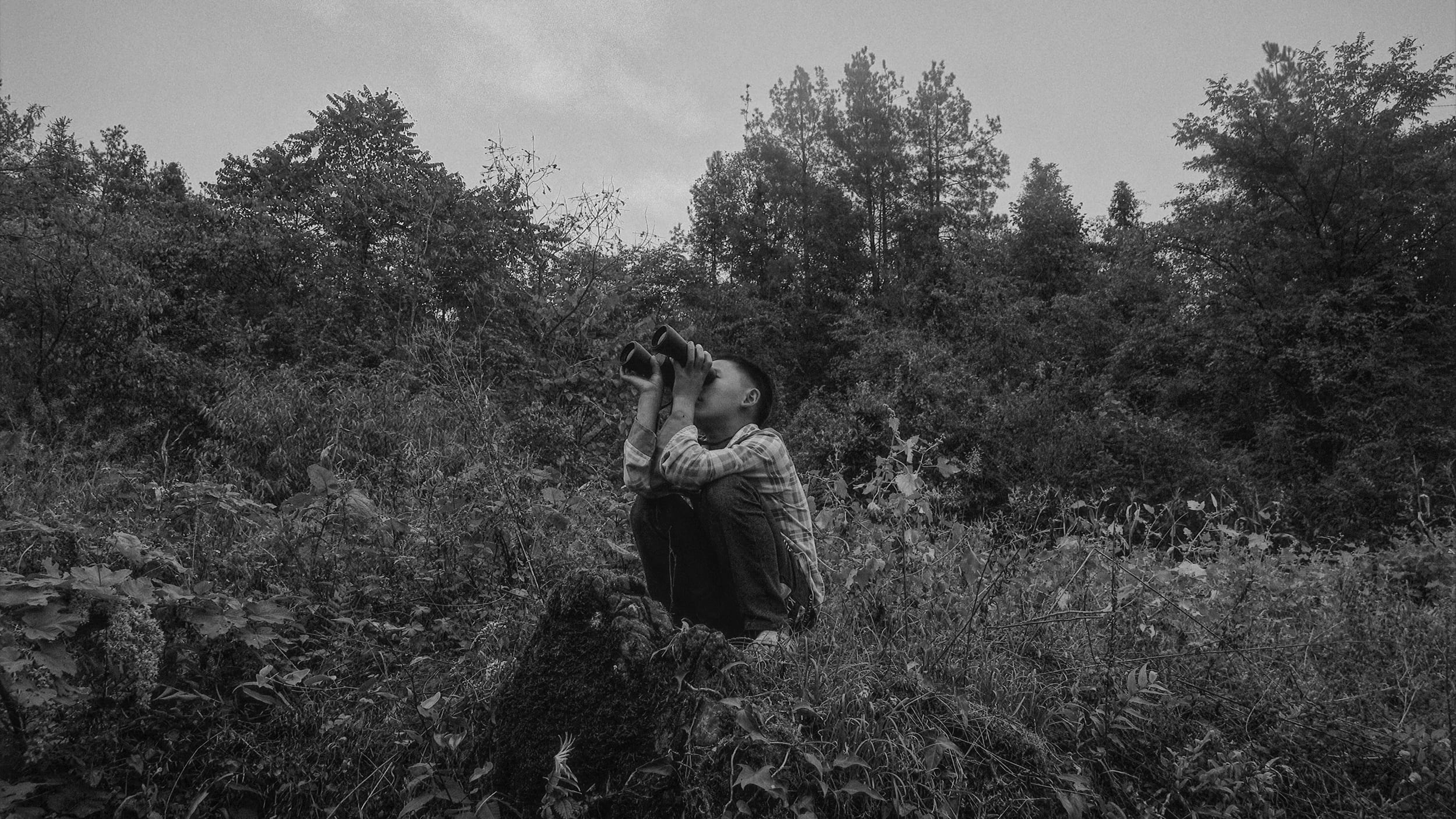
The camera, almost motionless, mirrors the natural flow of time as it records the boy’s rural life. The director absorbs the rhythms of the young poet and his surroundings in all their meditative slowness, allowing highly evocative images to merge seamlessly with the verses inscribed on screen.
Meanwhile, time passes almost imperceptibly. Gong slowly grows older, and poetry inevitably recedes. It is replaced by the pressing need to help his father and aging grandfather in the fields. It is at this moment that the film’s black-and-white palette yields to a colour realism tinged with bitterness: childhood ends, and with it, the urge to write.
What strikes in Always is not only its aesthetic refinement but also the emotional dimension that permeates the film. That same teacher, who at the beginning instructs her pupils in the art of composing poetry, ultimately advises them to surrender to their emotions.
Similarly, the director invites the audience to do the same, inevitably leaving them moved by the visual and evocative power of the images.