
Article by Alessandra Sottini
Translation by Francesca Corino
Family bonds are just as hard to break as they are to mend. However, if our reality is not enough to fill the emotional gap caused by unexpected and senseless separations, virtual reality transcends dimensional boundaries, offering unforeseen support in the search for a solution. «Reality is what you make of it» and LUZ, the VR game that lends its title to Flora Lau’s film that was presented out of competition at the 43rd Torino Film Festival, promises to deliver this experience.
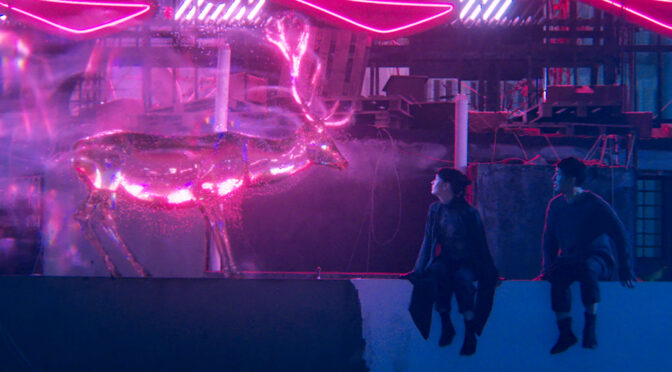
The real and virtual spaces depicted in LUZ connect the storylines of four people: a mother-stepdaughter duo, Sabine and Ren (Isabelle Huppert and Sandrine Pinna), and a father-daughter duo, Wei and Fa (Guo Xiao Dong and Deng En Xi). Their relationship problems bring Wei, Ren, and Fa to seek refuge in LUZ, a virtual reality where following a legendary deer and its shining path means coming to terms with oneself. The challenges of the game (presented in a first-person perspective) become a mirror of dormant and suppressed fears and a strong desire for reconciliation, thus serving as a metaphor for an essentially revealing and introspective journey. A rebirth that also finds an unexpected union in a single symbolic MacGuffin: the painting The Twilight Forest, now owned by KTV’s gallery owner, Mr. Qiu (David Chiang).
The reality of LUZ is a hybrid that blends images and places, both physical and unreal, where not even linguistic barriers represent a challenge. But it is not only the tangible and virtual space that acts as an active character in the story; the temporal barrier does as well. Preordained and relentless time does not allow us to erase the past; it only lets us follow new paths to understand and forgive ourselves, and to forgive others.
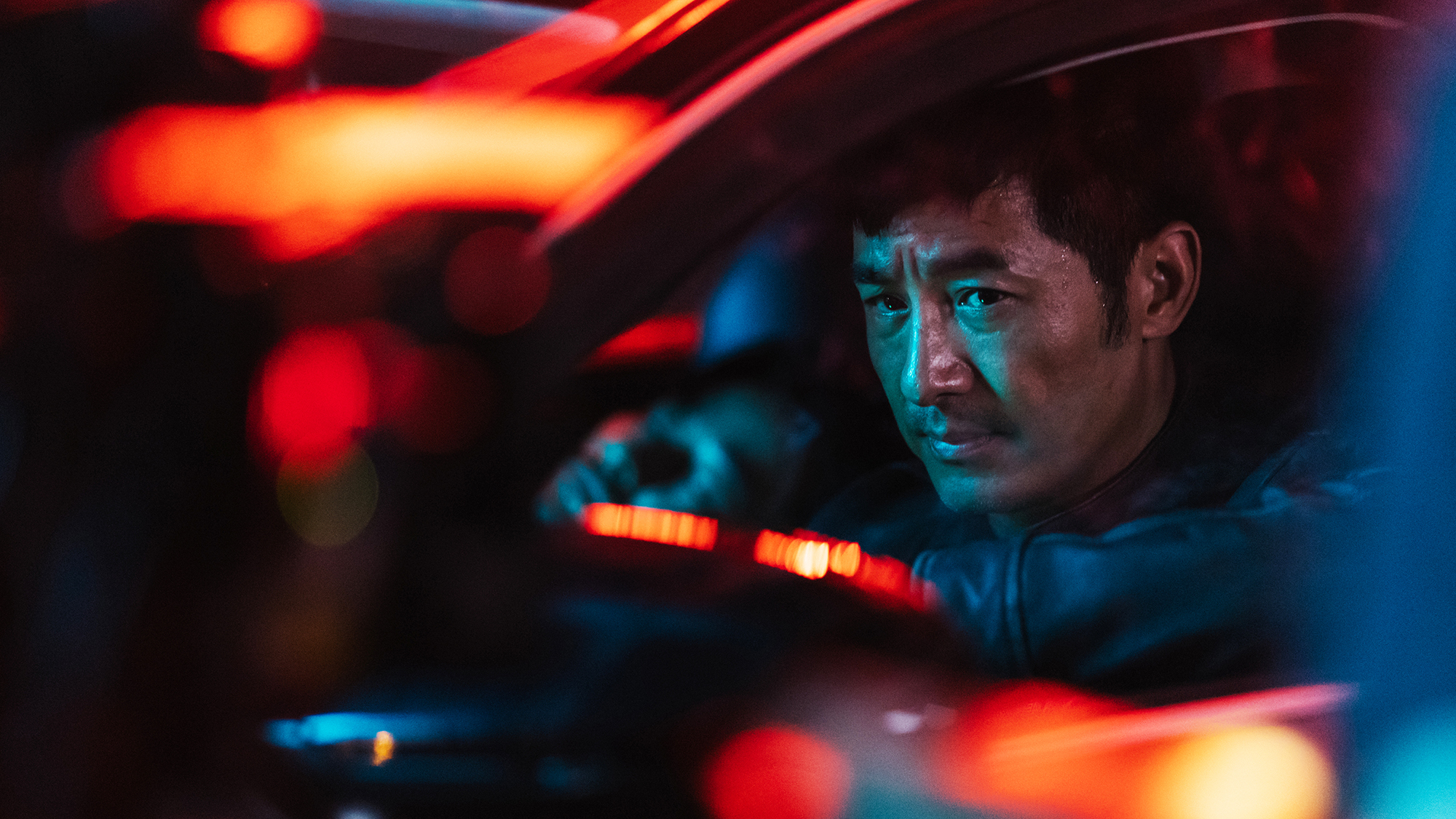
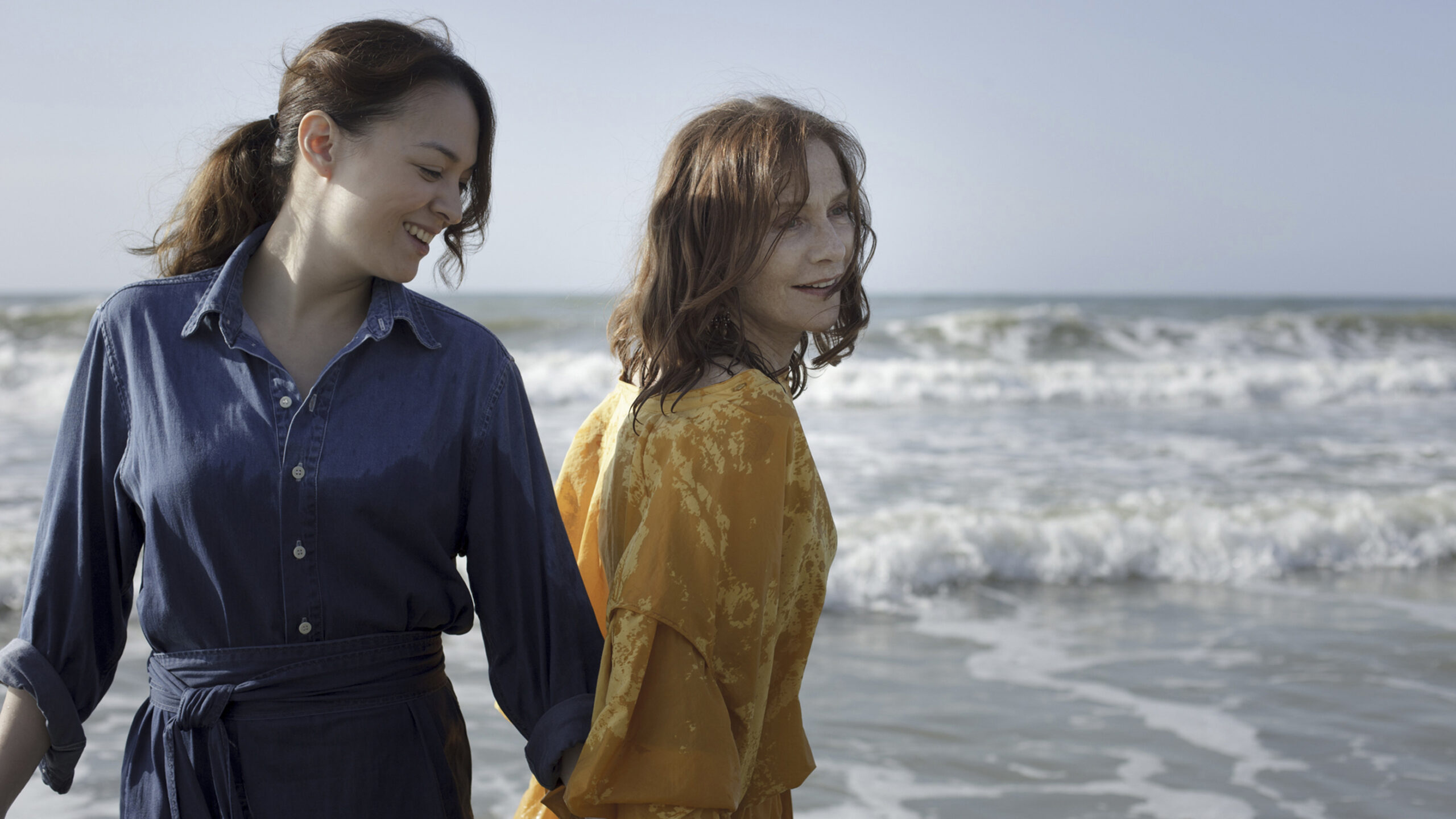
The emotional connection comes through the neon shades and the high-contrast lighting. The sequences are dominated by primary colours like red and blue, that mix together into purple iridescent rays, and their complementary colours: green and orange. This colour wheel sketches the intimate personalities of the characters in a continuous, transformative flow. It saturates the transitional interstices between dimensions, which alternate seamlessly. Finally, it fills the spaces of a bustling, technology-rich Hong Kong and, thousands of kilometers away, a quiet Paris rising as a symbol of classical art.
After having experienced the psychedelic reality of the post-post-contemporary images of LUZ, returning to the familiar noises and the chromatic monotony of the city is cathartic. Because these lives now have a future to be rewritten in the days to come.