
Article by Lorenzo Callea
Translation by Rebecca Servi
«It’s like someone just opened an oven and you got inside by bad luck and it’s locked» – this is what the documentary Heat, presented at the 44th edition of the Torino Film Festival, wants to convey: an urgent appeal to raise awareness of the relentless advance of global warming, which is happening before our very eyes, while humankind does not even seem to care. Unfortunately, Jacqueline Zünd’s film does little more than this – reiterating in an overly didactic manner the same things we have long been told and persistently choose to ignore. As a result, it lacks the narrative force needed to stir our consciences.
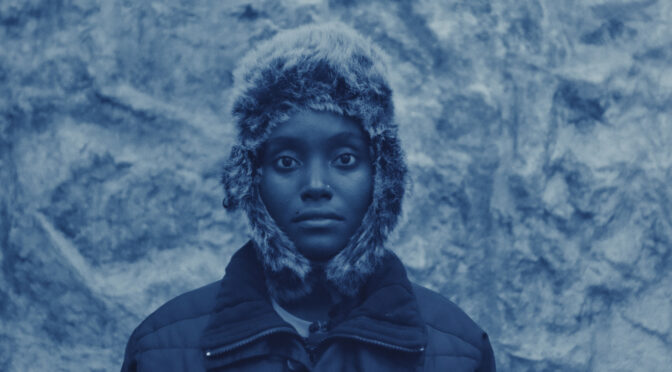
The setting is the Persian Gulf region, more specifically Dubai, notoriously one of the hottest places on the planet, where residents have been forced to endure temperatures exceeding 50° C for several years. Here, we follow the lives of Sophy, a young Kenyan mother working in an ice bar; Tarik, a quiet deliveryman who is always working; and Carina, an estate agent far more concerned with keeping stray cats cool and coming to their rescue than with looking after herself.
What is disappointing is that these characters, despite facing inhumane conditions on a daily basis, are barely sketched out. As portrayed in the film, their daily routines seem surprisingly unaffected by the region’s scorching heat. Indeed, there is the impression of witnessing situations similar to what they would be like, were it not for a climate emergency of this magnitude. At the same time, there are countless missed – and possibly more interesting – opportunities in the background, influenced by the high temperatures: from inequality between social classes – as the rich are able to escape the city – to the perpetually air-conditioned and refrigerated interiors, consuming enormous amounts of energy, right down to which genre of music to avoid listening to, so as to keep calm while driving in vehicles that feel like ovens.
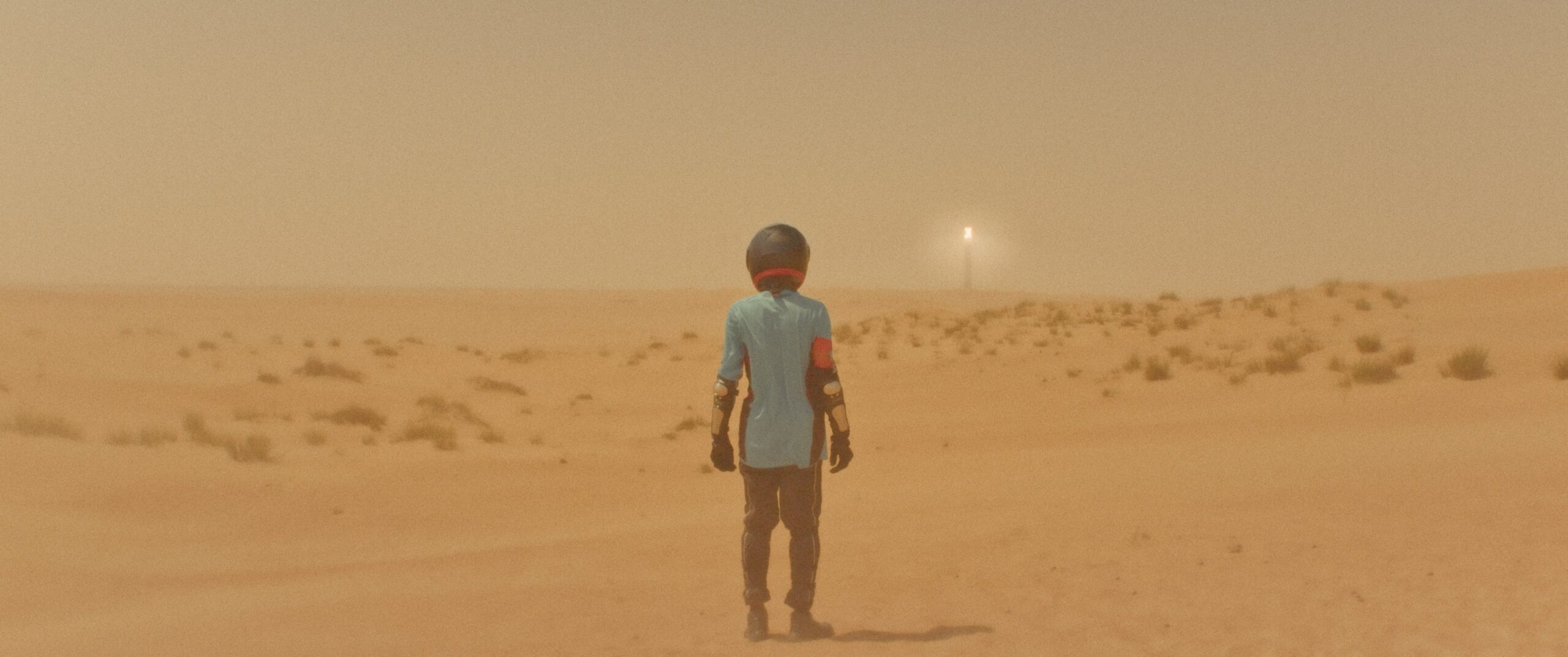
At the very least, the film’s technical and visual approach is undeniably fascinating: the dull colours, the desolate long shots, the geometric rigor of the framed elements and a penetrating yet minimalist soundtrack, which seems to linger on even after the closing credits. These elements manage to play with fire in an oxymoronic way, leaving the viewer chilled.
However, in the end, what remains is little more than an exercise in style, marked by an underlying superficiality that this subject has already endured for far too long.