
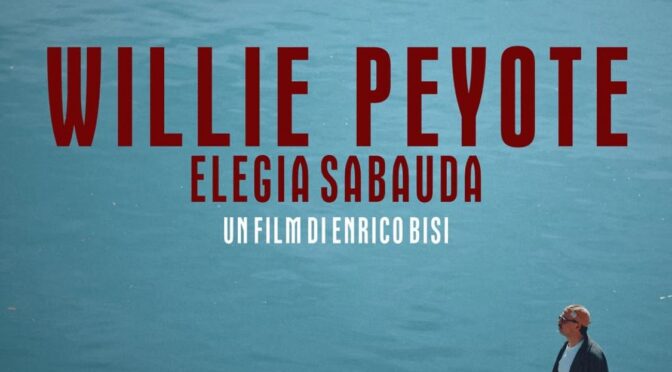
«L’Italia è un paese di musichette mentre fuori c’è la morte»: così recita l’intro di Mai dire mai (la locura), brano portato da Willie Peyote al Festival di Sanremo 2021. In piena emergenza pandemica, quella frase, tratta dalla serie Boris, suonava più attuale che mai. L’episodio viene raccontato in Willie Peyote – Elegia sabauda, documentario diretto da Enrico Bisi, che ripercorre in maniera non convenzionale le vicissitudini artistiche e personali del rapper torinese.
Continua la lettura di “WILLIE PEYOTE – ELEGIA SABAUDA” DI ENRICO BISIArchivi tag: Documentario
“SHADOWLAND” BY OTSO TIAINEN (ENG)
Article by Beatrice Bertino
Translation by Chiara Ventura
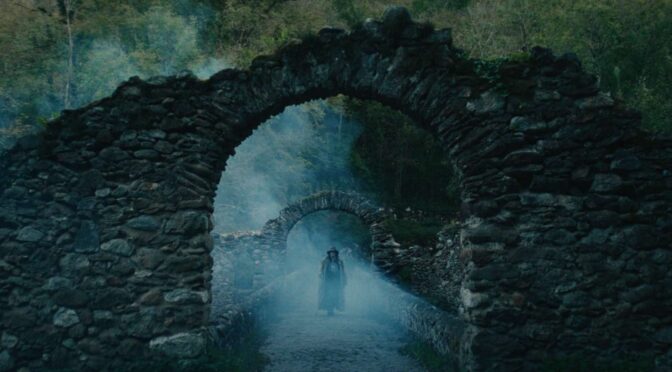
Not all stories end up being what the author had imagined. This is what happened to Otso Tiainen, a Finnish director dealing with his first documentary. The story he intended to tell about arcane rites and forms of worship ended up reporting recent news events related to domestic abuses that emerged during filming.
Continua la lettura di “SHADOWLAND” BY OTSO TIAINEN (ENG)“SHADOWLAND” DI OTSO TIAINEN
Non tutte le storie finiscono come l’autore aveva immaginato. Nel caso di
Otso Tiainen, regista finlandese al suo primo documentario, una storia che avrebbe dovuto narrare di arcani riti e culti si trova a dover render conto dei recenti fatti di cronaca legati ad abusi domestici, emersi durante le riprese.
“NEL BLU DIPINTI DI ROSSO” BY STEFANO DI POLITO (ENG)
Article by Elena Sartore
Translation by Virginia Milazzo
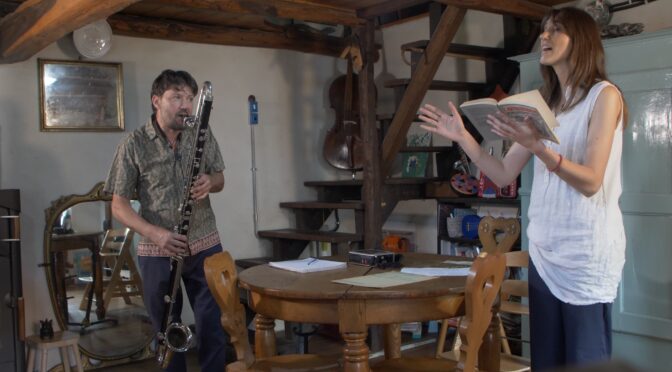
An old man is sitting in his studio, reading a periodical: news from the Middle East. He comments on them, visibly in distress, then surrenders himself to something merrier: music. He’s Emilio Jona, 98 years old, a member of the Italian folk band “Cantacronache”, to whom Stefano Di Polito dedicated his documentary Nel blu dipinti di rosso, presented to the 43rd edition of the Torino Film Festival.
Continua la lettura di “NEL BLU DIPINTI DI ROSSO” BY STEFANO DI POLITO (ENG)“NEL BLU DIPINTI DI ROSSO” DI STEFANO DI POLITO
Un uomo anziano legge il giornale nel suo studio: notizie dal Medioriente. Le commenta, si arrovella un poco per poi arrendersi a qualcosa di più allegro, ovvero la musica. Lui è Emilio Jona, 98 anni, uno dei membri dei Cantacronache, cui è dedicato il documentario Nel blu dipinti di rosso di Stefano Di Polito, presentato alla 43° edizione del Torino Film Festival.
Continua la lettura di “NEL BLU DIPINTI DI ROSSO” DI STEFANO DI POLITO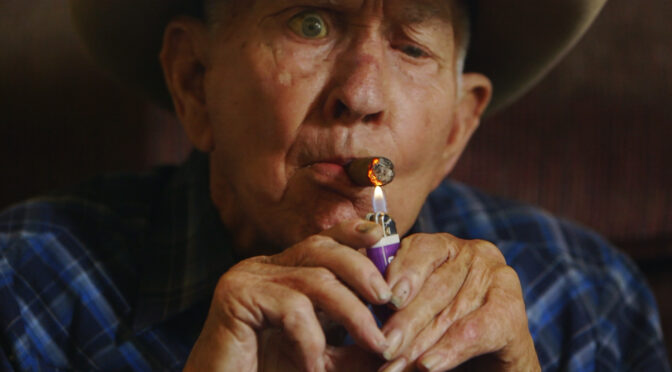
“LAND WITH NO RIDER” BY TAMAR LANDO (ENG)
Article by Mirko Serra
Translation by Maria Iacovone
In New Mexico’s most remote areas, marked by drought and arson, the last cowboys survive, shadows of a bygone era who move in silence through isolation and solitude. With Land With No Rider, Tamar Lando carries out an anthropological analysis of a myth’s slow sunset: there’s no sign of the manly hero on horseback; instead, there are lonely men, tired and weak, remains of an America that decided to forget its past. Under their hats, they still wear flannel shirts and old leather boots and, between cigarettes and country songs, the three protagonists reveal the dark reality concealed behind the everyday life of the Southwest, where time stands still, in contrast with an ever-changing country.
Continua la lettura di “LAND WITH NO RIDER” BY TAMAR LANDO (ENG)“LAND WITH NO RIDER” DI TAMAR LANDO
Nelle aree più remote del New Mexico, segnate da siccità e incendi dolosi, sopravvivono gli ultimi cowboy, ombre di un tempo passato che si muovono in silenzio tra isolamento e solitudine. Con Land With No Rider, Tamar Lando compie un’analisi antropologica sul lento tramonto di un mito: non c’è traccia dell’eroe virile in sella; al suo posto, uomini soli, stanchi e deboli, residui di un’America che ha deciso di dimenticare il proprio passato. Sotto i loro cappelli, vestono ancora camicie di flanella e vecchi stivali di pelle e, tra sigarette e brani country, i tre protagonisti rivelano la cupa realtà celata dietro la quotidianità del Southwest, dove il tempo si è fermato, in contrasto con un paese in continuo mutamento.
Continua la lettura di “LAND WITH NO RIDER” DI TAMAR LANDO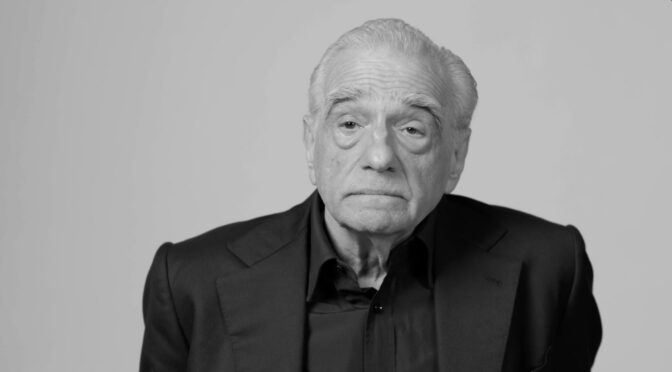
“RITRATTI DI CINEMA” BY PAOLO CIVATI (ENG)
Article by Carlotta Profico
Translation by Alice Ivaldi Lessona
Ritratti di cinema explores cinema through the personal and analytical gaze of nine leading figures on the international scene: Jane Campion, Tim Burton, Ruben Östlund, Asghar Farhadi, Pablo Larraín, Damien Chazelle, Paul Schrader, Peter Greenaway and Martin Scorsese.
Continua la lettura di “RITRATTI DI CINEMA” BY PAOLO CIVATI (ENG)“RITRATTI DI CINEMA” DI PAOLO CIVATI
In Ritratti di cinema si indaga il cinema attraverso lo sguardo insieme personale e analitico di nove protagonisti della scena internazionale: Jane Campion, Tim Burton, Ruben Östlund, Asghar Farhadi, Pablo
Larraín, Damien Chazelle, Paul Schrader, Peter Greenaway e Martin Scorsese.
“ALWAYS” BY DEMING CHEN (ENG)
Article by Giada Franzoni
Translation by Viola Suria
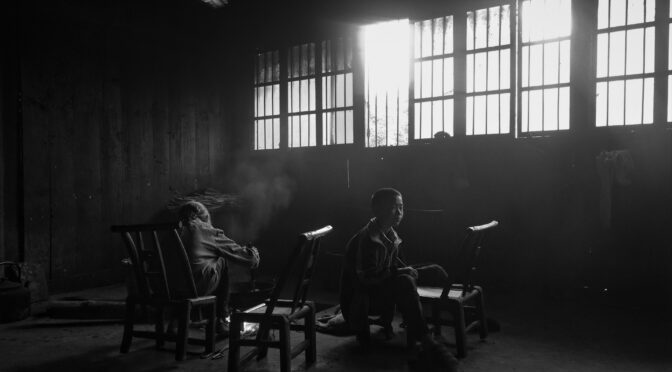
With Always, competing in the documentaries section of the 43rd Torino Film Festival, Deming Chen delivers a work of rare delicacy, a film that tiptoes into the solitude of a child gifted with extraordinary sensitivity.
Continua la lettura di “ALWAYS” BY DEMING CHEN (ENG)“ALWAYS” DI DEMING CHEN
Con Always, in concorso nella sezione documentari alla 43ª edizione del Torino Film Festival, Deming Chen firma un’opera di rara delicatezza, un documentario che si muove in punta di piedi dentro la solitudine di un bambino dalla spiccata sensibilità.
“IRON WINTER” BY KASIMIR BURGESS (ENG)
Article by Davide Lassandro
Translation by Valeria Marconi
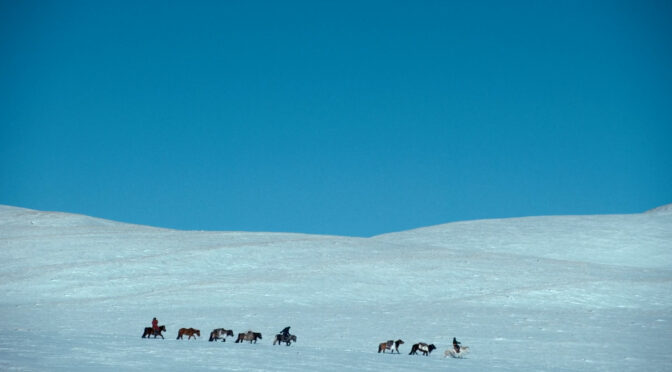
In Mongolia, there is a centuries-old tradition, passed down from father to son, which consists of taking care of horses through transhumance to help them survive the harsh and freezing winters of that region. Six years ago, this tradition was suddenly interrupted due to winter weather, which has grown increasingly harsh over the years. Now, the elders need to revive this ancient tradition by entrusting the arduous task to two young friends.
Continua la lettura di “IRON WINTER” BY KASIMIR BURGESS (ENG)“IRON WINTER” DI KASIMIR BURGESS
In Mongolia esiste una tradizione plurisecolare, tramandata di padre in figlio, che consiste nel prendersi cura dei cavalli compiendo una transumanza per farli sopravvivere ai gelidi e rigidissimi inverni che caratterizzano il territorio. Sei anni fa questa tradizione si è improvvisamente interrotta a causa del clima invernale, sempre più duro di anno in anno. Dunque ora gli anziani dovranno far rivivere l’antica usanza affidando l’arduo compito a due giovani amici.
Continua la lettura di “IRON WINTER” DI KASIMIR BURGESS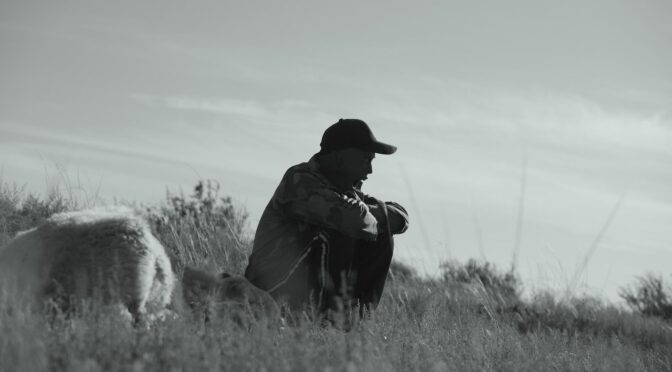
“THE SHEPHERD”, BY YUFEI ZHAO
Article by Orazio Oztas
Translation by Federica Lozito
“…(the nuns) taught us there are two ways through life: the way of Nature and the way of Grace. You have to choose which one you’ll follow.” This quote from Terrence Malick’s The Tree of Life could limpidly sum up the story of the shepherd Zhenping, the protagonist of the documentary The Shepherd, if the word “grace” were replaced with the word “love.”
Continua la lettura di “THE SHEPHERD”, BY YUFEI ZHAO“THE SHEPHERD” DI YUFEI ZHAO
“… ci hanno insegnato che esistono due vie per attraversare la vita, la via della Natura e la via della Grazia. Tu devi scegliere quale via seguire”. Questa citazione da The Tree of Life di Terrence Malick potrebbe riassumere limpidamente la storia del pastore Zhenping, protagonista del documentario The Shepherd, se al posto della parola “grazia” si sostituisse il termine “amore”.
Continua la lettura di “THE SHEPHERD” DI YUFEI ZHAO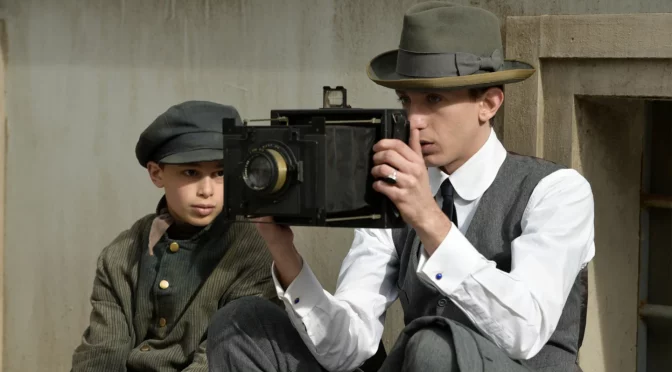
“CONTROLUCE” BY TONY SACCUCCI
Article by Marilina Rita Monzo
Translation by Aurora Monteleone
Controluce – the documentary by Tony Saccucci, presented at the 42nd Torino Film Festival and produced by Luce Cinecittà – is an intense reflection on the life and work of Adolfo Porry-Pastorel, one of the leading figures in early 20th-century Italian photography. The movie skillfully combines archival footage and fictional sequences, creating a visual dialogue that surprises with its harmony and guides the viewer into a distant yet remarkably contemporary era.
Continua la lettura di “CONTROLUCE” BY TONY SACCUCCI“CONTROLUCE” DI TONY SACCUCCI
Controluce – il documentario di Tony Saccucci presentato al 42° Torino Film Festival e prodotto da Luce Cinecittà – è una riflessione intensa sulla vita e sull’opera di Adolfo Porry-Pastorel, uno dei protagonisti della fotografia italiana del primo Novecento. Il film unisce sapientemente immagini d’archivio e sequenze di fiction, creando un dialogo visivo che sorprende per la sua armonia e che accompagna lo spettatore in un’epoca lontana eppure incredibilmente attuale.
Continua la lettura di “CONTROLUCE” DI TONY SACCUCCI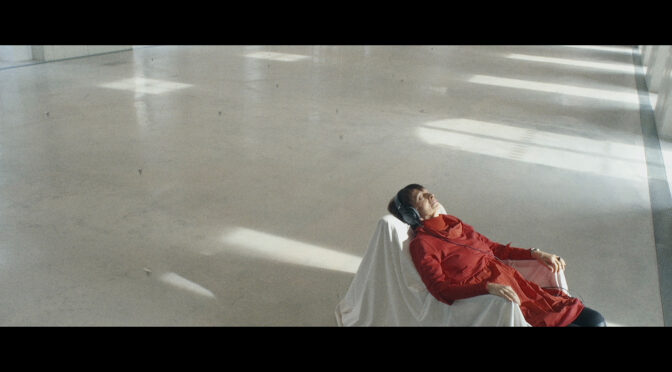
“THE SILENCE OF LIFE” BY NINA BLAŽIN
Article by Alessandra Sottini
Translation by Federica Riccardi
On an ordinary day, Manca Košir explains to his family the secret of the enchanting cherry blossom: its beauty captivates the observer, but its brittleness and the passage of time make quickly fade that instant of wonder. The eternity of being is enclosed in the celebratory activity of life, day by day. Slovenian director Nina Blažin, who has experienced first-hand the loss of a loved one, feels close to the joyful and combative personality of the protagonist of The Silence of Life, filmed between 2019 and 2023.
Continua la lettura di “THE SILENCE OF LIFE” BY NINA BLAŽIN“THE SILENCE OF LIFE” DI NINA BLAŽIN
In un giorno come tanti, Manca Košir spiega alla sua famiglia il segreto dell’incantevole fiore del ciliegio: la sua bellezza cattura l’osservatore, ma la sua fragilità e lo scorrere del tempo fanno svanire velocemente quell’istante di meraviglia. L’eternità dell’essere, dunque, è conchiusa nell’attività celebrativa della vita, giorno dopo giorno. La regista slovena Nina Blažin, che ha vissuto in prima persona la perdita di una persona amata, si sente vicina alla personalità gioiosa e combattiva della protagonista di The Silence of Life, girato tra il 2019 e il 2023.
Un gioco di opposizioni, o un ossimoro lirico, sembra suggerire il titolo del film in concorso nella sezione documentari internazionali della 42ª edizione del Torino Film Festival. The Silence of Life sembra dirci che il silenzio non è sempre l’unica arma a disposizione contro l’inevitabilità della morte: colpita da un cancro alla gola, Manca contrasta questo destino avverso con specifici esercizi di pronuncia.
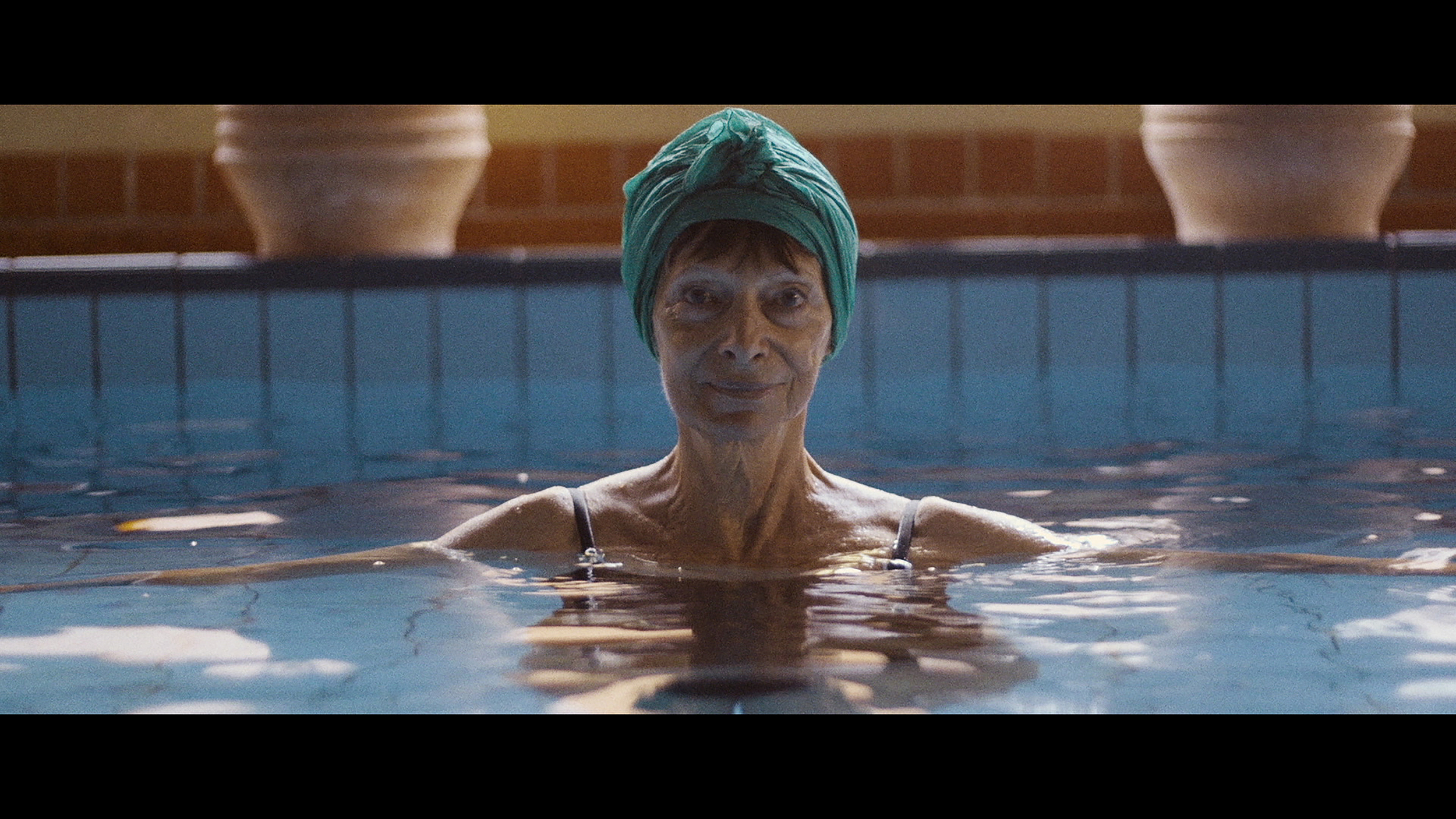
La macchina da presa indaga e osserva questa donna tanto tenace quanto più consapevole della sua condizione. Tuttavia, lo sguardo documentario non è “raffreddato” dalle consuete tecniche di pedinamento e di avvicinamento perché è Manca stessa a far vivere allo spettatore la propria storia: nonostante il peso opprimente del tempo che scorre, è lei ad abitare lo spazio con i gesti e le parole e a colorare l’ambiente con i suoi vestiti (predominano il rosso, il giallo e il rosa).
«La morte fa parte della nostra esistenza e dobbiamo prenderla come tale». Questa è dunque la traccia indelebile lasciata da Manca Košir.
Alessandra Sottini
“IL MESTIERE DI VIVERE” BY GIOVANNA GAGLIARDO
Article by Francesca Strangis
Translation by Alessandra Rapone
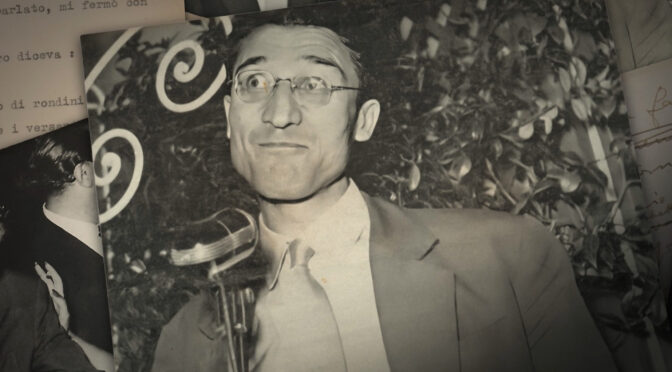
It was August 26, 1950, when a man was walking through the streets of Turin for the last time. A farewell to the world, maybe a last weak unheard cry for help, and ultimately, the fatal choice to leave behind a life he had never been able to fully embrace. Il mestiere di vivere begins from the end, from Cesare Pavese’s last day, perhaps wanting to immediately put on stage (and so set aside) what has too often obscured his fame.
Continua la lettura di “IL MESTIERE DI VIVERE” BY GIOVANNA GAGLIARDO