Archivi tag: TFF43

“RITRATTI DI CINEMA” DI PAOLO CIVATI

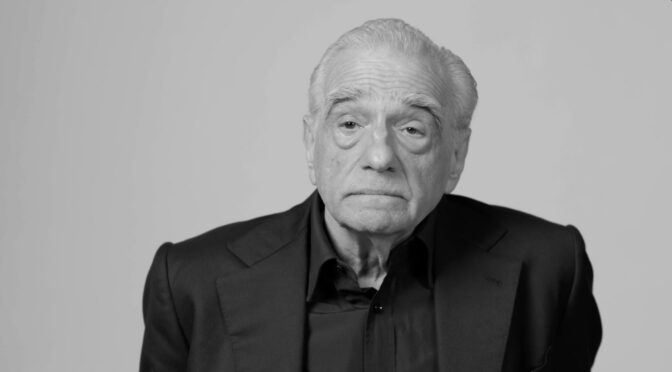
In Ritratti di cinema si indaga il cinema attraverso lo sguardo insieme personale e analitico di nove protagonisti della scena internazionale: Jane Campion, Tim Burton, Ruben Östlund, Asghar Farhadi, Pablo
Larraín, Damien Chazelle, Paul Schrader, Peter Greenaway e Martin Scorsese.

Continua la lettura di “RITRATTI DI CINEMA” DI PAOLO CIVATI

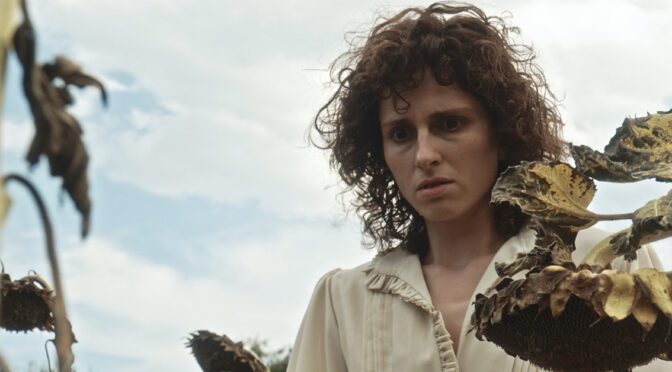
“QUE MA VOLONTÉ SOIT FAITE” BY JULIA KOWALSKI (ENG)

Article by Beatrice Bertino

Translation by Virginia Milazzo

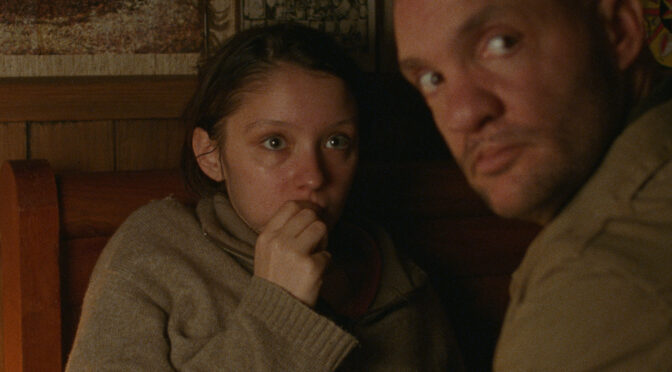
Julia Kowalski presents her second feature film, Que ma volonté soit faite, in Turin, which had already been selected for the Quinzaine des Cinéastes (Directors’ Fortnight) in Cannes. The director tells a dark-toned tale, completely immersed in the French rural areas, where a family of Polish immigrants – just like her parents – runs a cattle farm. An obscure sequence of events unfolds between cowsheds and farmland, firmly bound to faith and sin, redemption and damnation.

Continua la lettura di “QUE MA VOLONTÉ SOIT FAITE” BY JULIA KOWALSKI (ENG)

“QUE MA VOLONTÉ SOIT FAITE” DI JULIA KOWALSKI

Julia Kowalski presenta a Torino il suo secondo lungometraggio di finzione Que ma volonté soit faite, già selezionato a Cannes nella sezione Quinzaine des Cinéastes. La regista racconta una storia dai toni cupi, completamente immersa nelle aree rurali francesi, in cui una famiglia di immigrati polacchi – come furono i suoi genitori – gestisce un allevamento di mucche. Stalle e campagne sono gli orizzonti visivi di una vicenda oscura, intrecciata saldamente a fede e peccato, redenzione e dannazione.

Continua la lettura di “QUE MA VOLONTÉ SOIT FAITE” DI JULIA KOWALSKI

“THE TEACHER” BY FARAH NABULSI (ENG)

Article by Sveva Keiko Abbatantuono

Translation by Carlotta Anna Antonacci

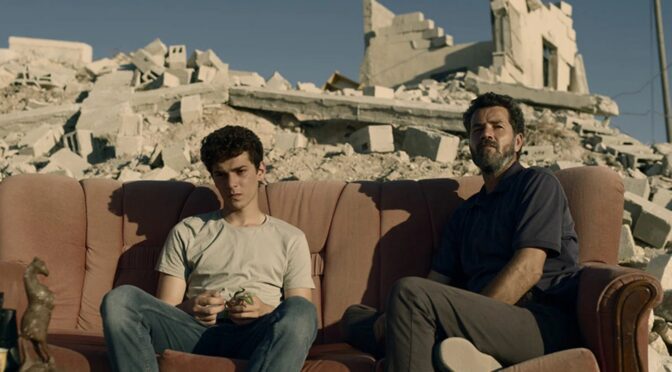
The death of a brother, son, or friend is one of the worst tragedies a human being can experience. But how much time is left for individual mourning when an entire country is falling apart under the siege of settlers?  

Continua la lettura di “THE TEACHER” BY FARAH NABULSI (ENG)

“THE TEACHER” DI FARAH NABULSI

La morte di un fratello, di un figlio o di un amico è una tra le peggiori tragedie esperibili dall’essere umano. Ma quanto tempo rimane per il lutto individuale quando un intero Paese sta cadendo a pezzi sotto l’assedio dei coloni? 

Continua la lettura di “THE TEACHER” DI FARAH NABULSI

“ALWAYS” BY DEMING CHEN (ENG)


Article by Giada Franzoni

Translation by Viola Suria

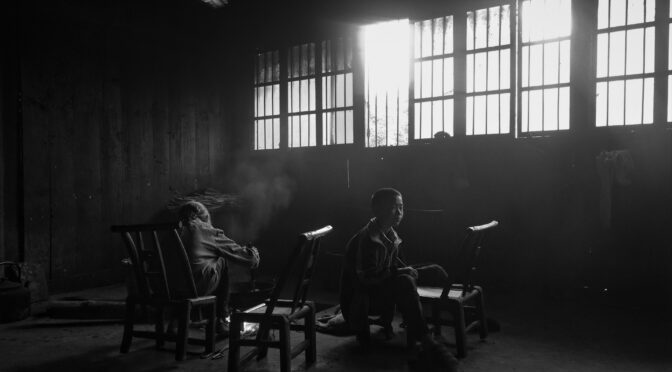
With Always, competing in the documentaries section of the 43rd Torino Film Festival, Deming Chen delivers a work of rare delicacy, a film that tiptoes into the solitude of a child gifted with extraordinary sensitivity.

Continua la lettura di “ALWAYS” BY DEMING CHEN (ENG)

“LEVERS” BY RHAYNE VERMETTE (ENG)

Article by Elena Sartore

Translation by Giacomo Patterlini

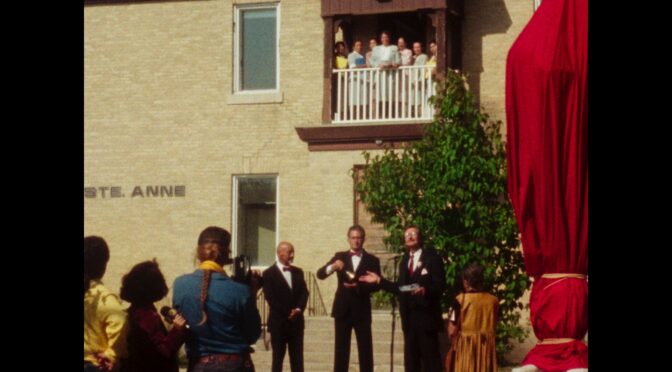
What if one day the sun won’t rise again? This absurd hypothesis becomes reality in Levers, the second feature film by Canadian director Rhayne Vermette.

Continua la lettura di “LEVERS” BY RHAYNE VERMETTE (ENG)

“IDA WHO SANG SO BADLY EVEN THE DEAD ROSE UP AND JOINED HER IN A SONG” BY ESTER IVAKIČ (ENG)

Article by Francesca Strangis

Translation by Patrick Zaffalon

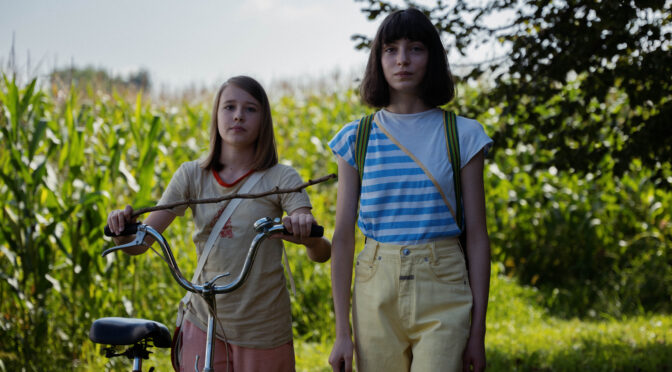
Death is looming over a small Slovenian village, incarnating in the mysterious figure of a man covered in flowers and colorful ribbons. It will fall to a young girl to deal with him. Unable to understand the inevitability of fate, she joins a choir in the attempt to keep her grandmother alive, believing that a song heard coming from afar once saved her grandmother when she was at death’s door.

Continua la lettura di “IDA WHO SANG SO BADLY EVEN THE DEAD ROSE UP AND JOINED HER IN A SONG” BY ESTER IVAKIČ (ENG)

“IRON WINTER” BY KASIMIR BURGESS (ENG)

Article by Davide Lassandro

Translation by Valeria Marconi

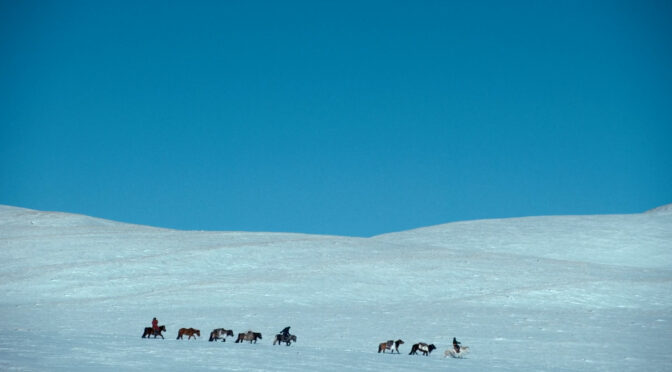
In Mongolia, there is a centuries-old tradition, passed down from father to son, which consists of taking care of horses through transhumance to help them survive the harsh and freezing winters of that region. Six years ago, this tradition was suddenly interrupted due to winter weather, which has grown increasingly harsh over the years. Now, the elders need to revive this ancient tradition by entrusting the arduous task to two young friends.

Continua la lettura di “IRON WINTER” BY KASIMIR BURGESS (ENG)

“IRON WINTER” DI KASIMIR BURGESS

In Mongolia esiste una tradizione plurisecolare, tramandata di padre in figlio, che consiste nel prendersi cura dei cavalli compiendo una transumanza per farli sopravvivere ai gelidi e rigidissimi inverni che caratterizzano il territorio. Sei anni fa questa tradizione si è improvvisamente interrotta a causa del clima invernale, sempre più duro di anno in anno. Dunque ora gli anziani dovranno far rivivere l’antica usanza affidando l’arduo compito a due giovani amici.

Continua la lettura di “IRON WINTER” DI KASIMIR BURGESS

“CINEMA JAZIREH” BY GÖZDE KURAL (ENG)


Article by Andrea Dosio

Translation by Alice Ivaldi Lessona

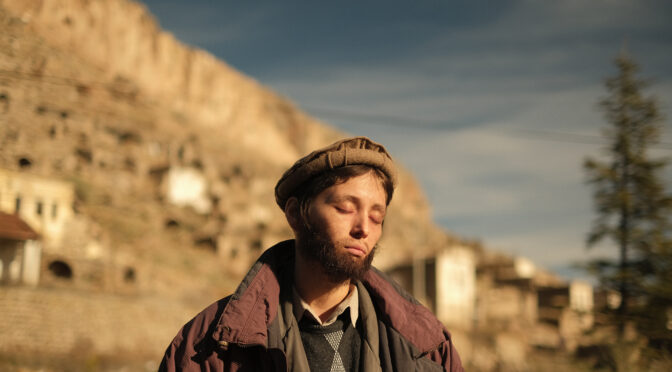
No Woman’s Land is a photo feature shot in Afghanistan by Kiana Hayeri for the World Press Photo 2025. It is a testament to the resistance and dignity of Afghan women, which has a lot in common with Cinema Jazireh, Gözde Kural’s second feature film presented in competition at the TFF.

Continua la lettura di “CINEMA JAZIREH” BY GÖZDE KURAL (ENG)

“CINEMA JAZIREH” DI GÖZDE KURAL


Non è un paese per donne è un reportage fotografico realizzato in Afghanistan da Kiana Hayeri per il World Press Photo 2025. Una testimonianza della resistenza e della dignità delle donne afghane, che ha molto in comune con Cinema Jazireh, secondo lungometraggio di Gözde Kural presentato in concorso al TFF.

Continua la lettura di “CINEMA JAZIREH” DI GÖZDE KURAL

“TODAS LAS FUERZAS” BY LUCIANA PIANTANIDA (ENG)

Article by Marta Mastrocinque

Translated by Maria Iacovone

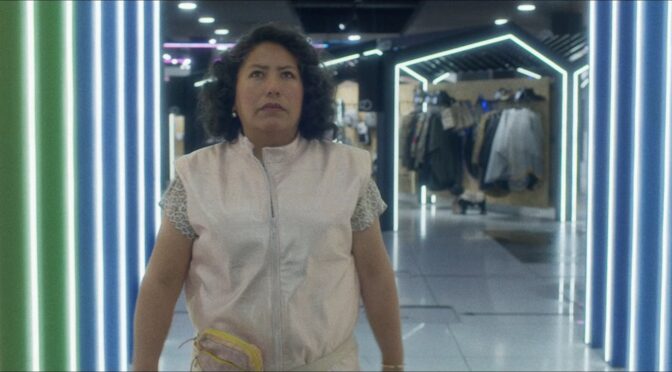
Todas las fuerzas, directed by Luciana Piantanida, proposes an analysis of the Latin American migrants’ situation in Buenos Aires through a controlled use of fantasy. Set in district Once, the movie combines social observation and more visionary narrative constructions, without fully adhering to the rules of a single genre.

Continua la lettura di “TODAS LAS FUERZAS” BY LUCIANA PIANTANIDA (ENG)

“TODAS LAS FUERZAS” DI LUCIANA PIANTANIDA

Todas las fuerzas, diretto da Luciana Piantanida, propone un’analisi della realtà migrante latinoamericana a Buenos Aires attraverso un uso controllato del fantastico. Ambientato nel quartiere Once, il film combina osservazione sociale e costruzioni narrative più visionarie, senza aderire pienamente ai codici di un genere univoco.

Continua la lettura di “TODAS LAS FUERZAS” DI LUCIANA PIANTANIDA

“EVA” BY EMANUELA ROSSI (ENG)

Article by Marilina Rita Monzo

Translation by Francesca Corino

Everything starts with a deed both creepy and moving: Eva kidnaps children, she is convinced that she must save them from a threat, visible only to her. The topic of child protection, already touched upon by the director Emanuela Rossi in Buio (2019), assumes in this film a key role. Eva’s impulse does not come from violence but follows a primordial instinct. Her mission seems to stem from a grief that can be read in her actions, a grief born from a traumatic event that changed her: it is a deep crack that swallowed her, like a wound that cannot be healed.

Continua la lettura di “EVA” BY EMANUELA ROSSI (ENG)

“EVA” DI EMANUELA ROSSI

Tutto comincia da un gesto che inquieta e commuove: Eva rapisce dei bambini, convinta di doverli salvare da una minaccia che solo lei sembra vedere. Il tema dei più piccoli da proteggere, che Emanuela Rossi aveva già sfiorato in Buio (2019)qui diventa un’urgenza assolutaIl gesto di Eva nasce da un istinto primordiale, non dalla violenza. La sua missione sembra il risultato di un dolore che non viene raccontato ma che si intuisce, un trauma che l’ha trasformata: una crepa profonda, impossibile da guarire, che si è allargata fino a inghiottirla.

Continua la lettura di “EVA” DI EMANUELA ROSSI

 “SLANTED” BY AMY WANG (ENG)

Article by Elisabetta Pala

Translation by Chiara Ventura

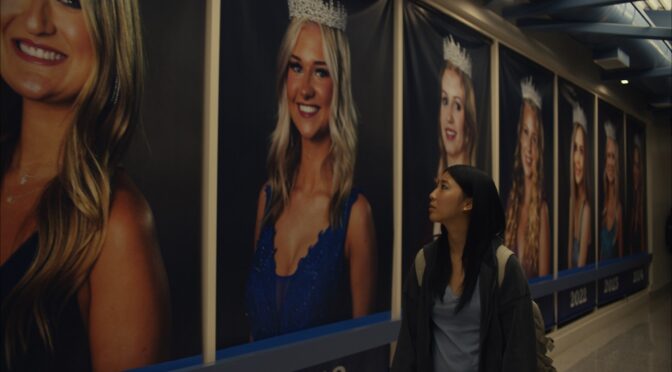
«How great is it to be white?». It is Joan Huang the one who has to answer this question in Slanted, presented at the 43rd TFF. Once she moved with her parents to the south of the USA, Joan began to be bullied for her Chinese origins until she became a teenager and decided to undergo plastic surgery to obtain the appearance of a young Caucasian girl.

Continua la lettura di  “SLANTED” BY AMY WANG (ENG)

 “SLANTED” DI AMY WANG

«Quanto è bello essere bianchi?». È Joan Huang a dover rispondere a questa domanda in Slanted – presentato in concorso al 43° TFF. Trasferitasi con la famiglia nel sud degli Stati Uniti, Joan è vittima di bullismo per via delle sue origini cinesi fino a quando, da adolescente, decide di sottoporsi a un intervento di chirurgia plastica per ottenere le sembianze di una giovane ragazza caucasica.

Continua la lettura di  “SLANTED” DI AMY WANG