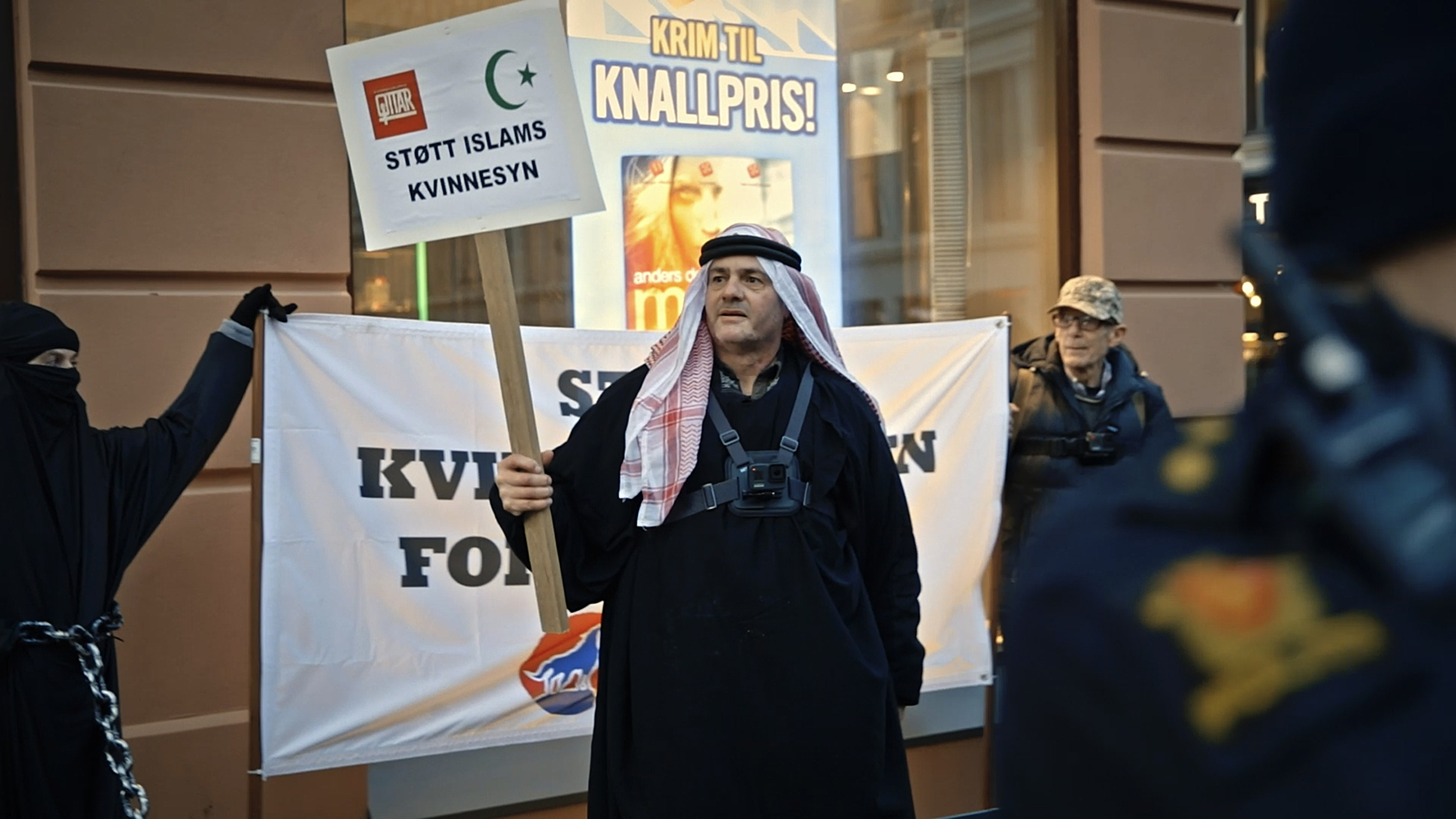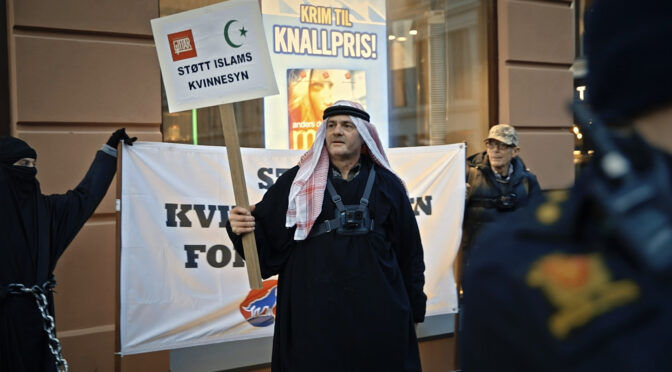
“Tutti possono esprimersi liberamente sul governo dello Stato e su qualsiasi altro argomento”, così recita l’articolo 100 della Costituzione del Regno Norvegese e sembra che in merito a ciò i membri del gruppo SIAN (Stop Islamization of Norway) abbiano deciso di applicarlo in maniera letterale attaccando pubblicamente la religione islamica.
Continua la lettura di “NORWEGIAN DEMOCRAZY” DI FABIEN GREENBERG E BÅRD KJØGE RØNNINGArchivi categoria: Film
“NINA” BY ANDREA JAURRIETA
Article by Ludovico Franco
Translation by Martina Marino
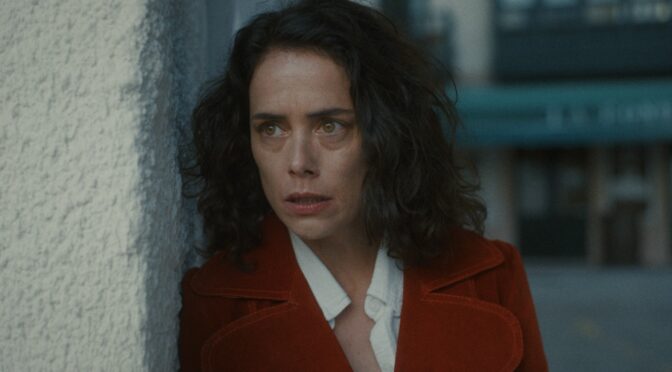
Čechov coined a now well-known dramaturgical principle: if there’s a shotgun on stage, it must go off. Nina (Patricia L. Arnaiz), whose name directly references The Seagull, always carries that shotgun with her. After thirty years in Madrid, she returns to her hometown, ready to strike. Like a hunter, she waits for the perfect moment to exact revenge on the man who abused her when she was just a young girl, a niña.
Continua la lettura di “NINA” BY ANDREA JAURRIETA“NINA” DI ANDREA JAURRIETA
Čechov ha coniato un principio drammaturgico ormai celebre: se in scena c’è un fucile, non può non sparare. Nina (Patricia L. Arnaiz), il cui nome rimanda proprio a Il gabbiano, quel fucile lo porta sempre con sé. Dopo trent’anni a Madrid, ritorna nella sua città natale, pronta a colpire. Come una cacciatrice, attende il momento ideale per vendicarsi dell’uomo che abusava di lei quando era ragazza, una niña.
Continua la lettura di “NINA” DI ANDREA JAURRIETA“L’AIGUILLE” BY ABDELHAMID BOUCHNACK
Article by Beatrice Bertino
Translation by Irene Pezzini
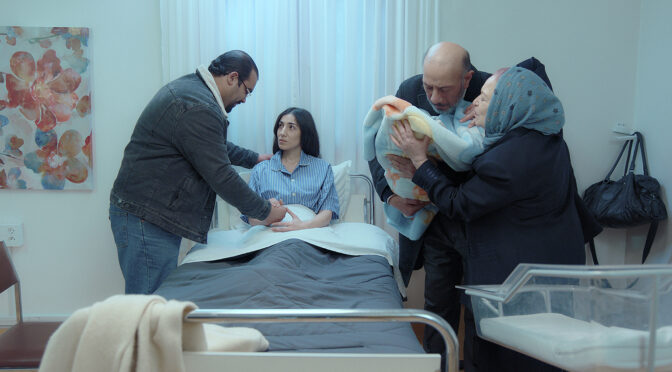
A love story and the desire to create a family are the starting point of Abdelhamid Bouchnack’s film. Mariem, an orphan, who does not wear the veil, and Dalì, a Muslim who prays from time to time, are two young Tunisians who represent the avant-garde to which their country aspires. The birth of their child, however, reveals the deep uncertainties that govern a stagnant culture.
Continua la lettura di “L’AIGUILLE” BY ABDELHAMID BOUCHNACK“L’AIGUILLE” DI ABDELHAMID BOUCHNACK
Una storia d’amore e il desiderio di creare una famiglia sono il punto di partenza del film di Abdelhamid Bouchnack. Mariem, orfana e senza il velo, e Dalì, un mussulmano che a volte prega e altre no, sono due giovani tunisini che rappresentano l’avanguardia a cui aspira il loro Paese. Tuttavia, la nascita di unə figliə fa emergere e rivela le profonde incertezze che governano una cultura stagnante.
Continua la lettura di “L’AIGUILLE” DI ABDELHAMID BOUCHNACK“HOLY ROSITA” BY WANNES DESTOOP
Article by Tommaso Del Latte
Translation by Laura Cattani
The Belgian director Wannes Destoop at his debut feature, enacts in Holy Rosita, a simple, community-focused, hopeful story.
Rosita (Daphne Agten) lives in a working-class block of houses, she works a variety of jobs, and she spends most of her free time with the neighborhood children, who are the only ones capable of giving her a few carefree moments. Rosita has only one dream, to become a mother. However, just when she manages to get pregnant, she begins to be tormented by doubts, caused by the uncertainty of living up to the role, economic problems and the judgments of the community in which she lives.
Continua la lettura di “HOLY ROSITA” BY WANNES DESTOOP“HOLY ROSITA” DI WANNES DESTOOP
Una storia semplice, comunitaria, piena di speranza, quella che Wannes Destoop mette in scena in Holy Rosita, opera prima del regista belga.
Rosita (Daphne Agten) vive in un caseggiato popolare, svolge lavori di vario tipo e trascorre gran parte del suo tempo libero in compagnia dei bambini del quartiere, gli unici capaci di donarle qualche momento di spensieratezza. Rosita ha un unico sogno, quello di diventare madre. Tuttavia, proprio quando riesce a rimanere incinta, la protagonista comincia a essere tormentata dai dubbi, dettati dall’incertezza di essere all’altezza del ruolo, dai problemi economici e dai giudizi della comunità in cui vive.
Continua la lettura di “HOLY ROSITA” DI WANNES DESTOOP“THE LAST ACT” DI PAYMON SHAHBOD
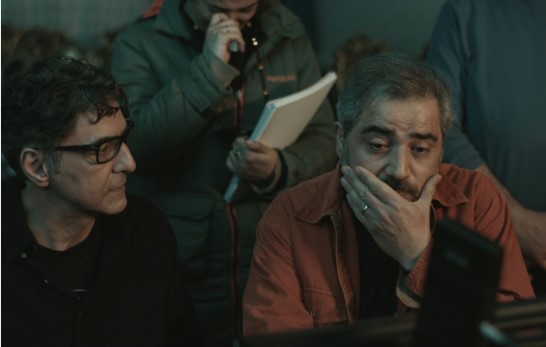
The Last Act – scritto e diretto dall’iraniano Paymon Shahbod – si apre nei corridoi di un ospedale di Teheran dove sono in corso le riprese di un film con protagonista l’attrice Farzaneh (Marjan Ghamari).
Continua la lettura di “THE LAST ACT” DI PAYMON SHAHBOD“THE LAST ACT” BY PAYMON SHAHBOD
Article by Carlotta Profico
Translation by Aurora Monteleone
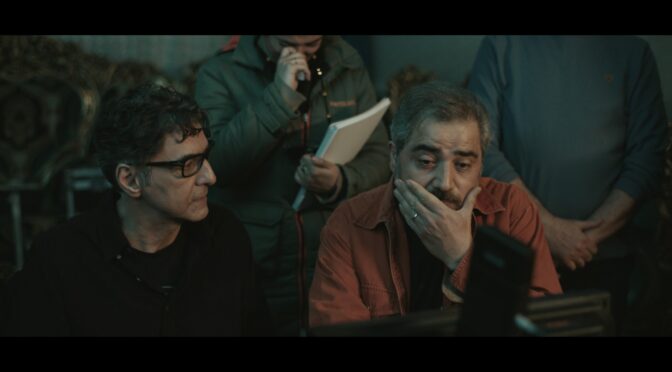
The Last Act – written and directed by the Iranian filmmaker Paymon Shahbod – starts in the hallways of a hospital in Tehran, where the shoots of a film starring actress Farzaneh (Marjan Ghamari) are underway.
Continua la lettura di “THE LAST ACT” BY PAYMON SHAHBOD“UNDER THE GREY SKY” BY MARA TAMKOVICH
Article by Davide Lassandro
Translation by Federica Lozito
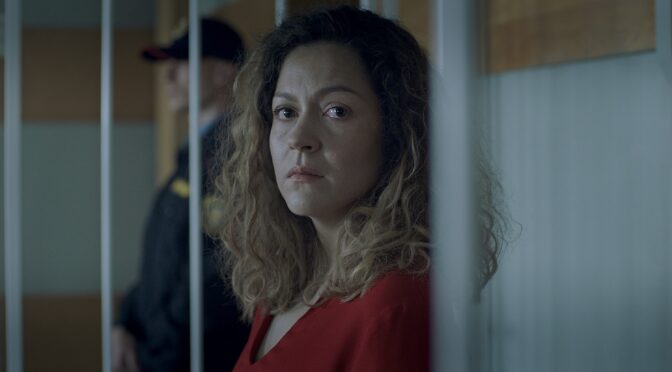
After directing a series of short films focusing on socio-political issues, Mara Tamkovich makes her debut with her first feature film, evocatively titled Under the Grey Sky, which takes the viewer back to the events following the 2020 Belarusian elections and the events in Square of Changes in Minsk, where riot police attacked unarmed protesters during a peaceful demonstration after Lukashenko’s proclamation, resulting in arrests and violence.
Continua la lettura di “UNDER THE GREY SKY” BY MARA TAMKOVICH“UNDER THE GREY SKY” DI MARA TAMKOVICH
Dopo una serie di cortometraggi incentrati su questioni politico-sociali, Mara Tamkovich esordisce con il suo primo lungometraggio dall’evocativo titolo Under the Grey Sky che riporta lo spettatore alle vicende seguite alle elezioni bielorusse del 2020 e ai fatti di Piazza del Cambiamento a Minsk dove, dopo la proclamazione di Lukashenko, durante una manifestazione pacifica la polizia antisommossa attaccò i manifestanti inermi compiendo arresti e violenze.
Continua la lettura di “UNDER THE GREY SKY” DI MARA TAMKOVICH“MY BEST, YOUR LEAST” BY KIM HYUN-JUNG
Article by Alessandra Sottini
Translation by Giuditta Portaro
Adults are precious figures: they accompany the path of growth and maturity, sometimes delimiting the space and microcosm of young people with necessary rules and impositions. However, in My Best, Your Least, parents and teachers appear too cold and deaf to those they consider “miniature adults.”
Continua la lettura di “MY BEST, YOUR LEAST” BY KIM HYUN-JUNG“MY BEST, YOUR LEAST” DI KIM HYUN-JUNG
Gli adulti sono figure preziose: accompagnano il percorso di crescita e maturità, delimitando con regole e imposizioni talvolta necessarie lo spazio e il microcosmo dei giovani. Tuttavia in My Best, Your Least, genitori e insegnanti si mostrano fin troppo algidi e sordi davanti a coloro che considerano “adulti” in miniatura.
Continua la lettura di “MY BEST, YOUR LEAST” DI KIM HYUN-JUNG“IL MESTIERE DI VIVERE” BY GIOVANNA GAGLIARDO
Article by Francesca Strangis
Translation by Alessandra Rapone
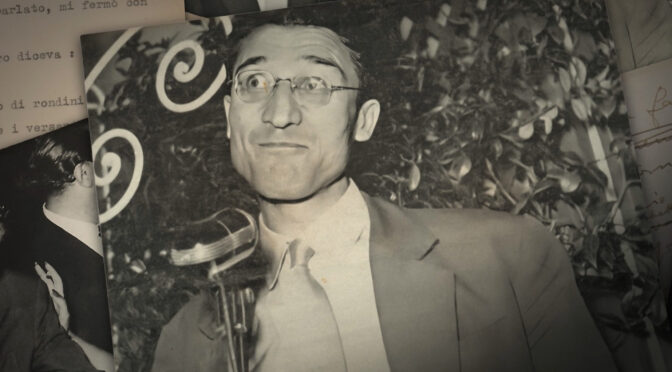
It was August 26, 1950, when a man was walking through the streets of Turin for the last time. A farewell to the world, maybe a last weak unheard cry for help, and ultimately, the fatal choice to leave behind a life he had never been able to fully embrace. Il mestiere di vivere begins from the end, from Cesare Pavese’s last day, perhaps wanting to immediately put on stage (and so set aside) what has too often obscured his fame.
Continua la lettura di “IL MESTIERE DI VIVERE” BY GIOVANNA GAGLIARDO“IL MESTIERE DI VIVERE” DI GIOVANNA GAGLIARDO
Era il 26 agosto del 1950 quando un uomo passeggiava per le strade di Torino un’ultima volta. Un addio al mondo, forse un ultimo tenue grido di aiuto non accolto, infine la fatale scelta di abbandonare questa vita che non era mai stato in grado di vivere a pieno. Il mestiere di vivere inizia dalla fine, dall’ultimo giorno di Cesare Pavese, forse a voler mettere subito in scena (e quindi da parte) ciò che ha fin troppo oscurato la sua fama.
Continua la lettura di “IL MESTIERE DI VIVERE” DI GIOVANNA GAGLIARDO“RAGAZZI DI STADIO” BY DANIELE SEGRE
Article by Nicolò Cifarelli
Translation by Vittorio Cavalli
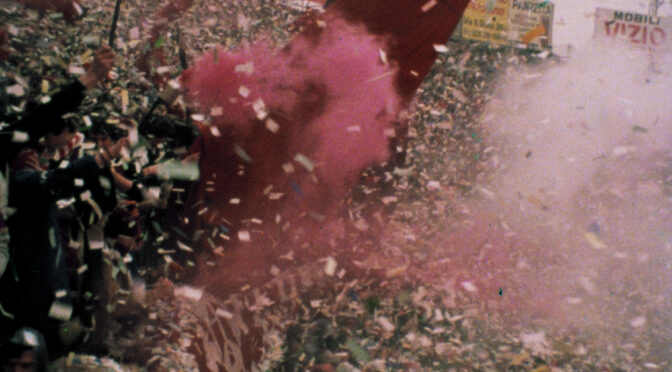
An extraordinary time-capsule takes us to the late 1970s Turin, where a lost youth experiences the birth of a phenomenon, the ‘ultras’, which would gradually become more and more important in the public life of our country.
Continua la lettura di “RAGAZZI DI STADIO” BY DANIELE SEGRE“RAGAZZI DI STADIO” DI DANIELE SEGRE
Una straordinaria capsula del tempo ci trasporta nella Torino di fine anni Settanta, dove una gioventù smarrita vive la nascita di un fenomeno, quello ultras, che diventerà via via sempre più importante nella vita pubblica del nostro paese.
Continua la lettura di “RAGAZZI DI STADIO” DI DANIELE SEGREEUROPA CENTRALE BY GIANLUCA MINUCCI
Article by Silvia De Gattis
Translation by Cinzia Di Bucchianico
Throughout Gianluca Minucci’s debut film, viewers find themselves in a state of constant auditory, visual, emotional, even tactile, and olfactory hyper-solicitation.
Continua la lettura di EUROPA CENTRALE BY GIANLUCA MINUCCIEUROPA CENTRALE di Gianluca Minucci
Per tutta la visione dell’opera prima di Gianluca Minucci lo spettatore si ritrova in uno stato di costante ipersollecitazione sonora, visiva, emotiva, persino tattile e olfattiva.
Continua la lettura di EUROPA CENTRALE di Gianluca Minucci“THE BRINK OF DREAMS” BY NADA RIYADH E AYMAN EL AMIR
Article by Lisa Cortopassi
Translation by Aurora Monteleone
In the opening image of The Brink of Dreams, we can see six girls running through a field. As in the case of the scene of three children walking in the Icelandic countryside from which Chris Marker’s Sans Soleil (1983) takes its cue, this moment also evokes the sensation of witnessing a dream, a vision of hope.
Continua la lettura di “THE BRINK OF DREAMS” BY NADA RIYADH E AYMAN EL AMIR