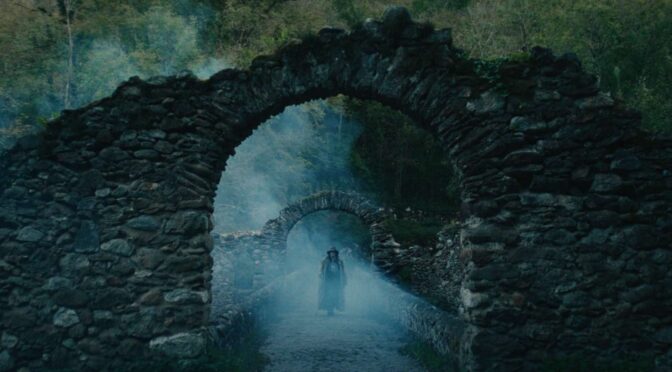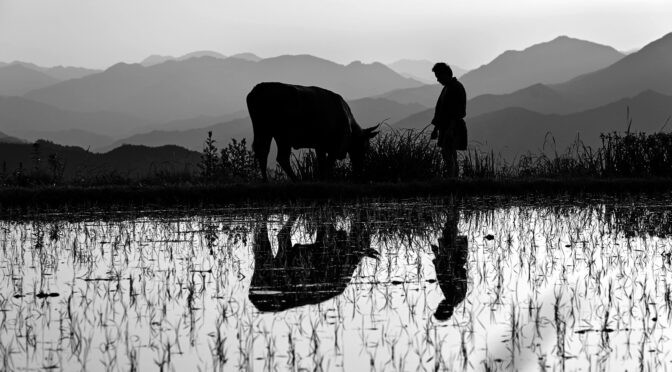
Girato in pellicola 65 mm, Black Ox di Tetsuichiro Tsuta è un’opera che si ispira alle dieci icone del mandriano (o del bufalo) della tradizione Zen. Dalla prima (“La ricerca del bufalo”)
all’ultima (“Il ritorno alla sorgente”), il film mette in scena le diverse tappe del percorso spirituale verso l’illuminazione buddista.
Archivi categoria: Torino Film Festival
“ERUPCJA” BY PETE OHS (ENG)
Article by: Mirko Serra
Translated by: Carlotta Anna Antonacci
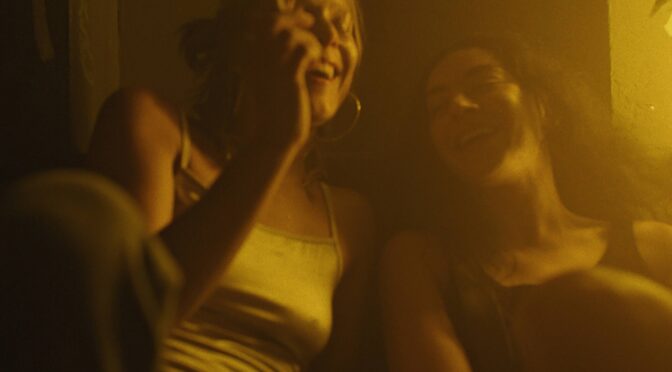
With Erupcja, a bohemian portrait of Warsaw in four-thirds format, Pete Ohs returns to an authorial register after exploring various genres.
Continua la lettura di “ERUPCJA” BY PETE OHS (ENG)“ERUPCJA” DI PETE OHS
Con Erupcja, ritratto bohémien di Varsavia in formato quattro terzi, Pete Ohs ritorna a un registro autoriale dopo diversi percorsi di genere.
Continua la lettura di “ERUPCJA” DI PETE OHS“SHADOWLAND” BY OTSO TIAINEN (ENG)
Article by Beatrice Bertino
Translation by Chiara Ventura
Not all stories end up being what the author had imagined. This is what happened to Otso Tiainen, a Finnish director dealing with his first documentary. The story he intended to tell about arcane rites and forms of worship ended up reporting recent news events related to domestic abuses that emerged during filming.
Continua la lettura di “SHADOWLAND” BY OTSO TIAINEN (ENG)“SHADOWLAND” DI OTSO TIAINEN
Non tutte le storie finiscono come l’autore aveva immaginato. Nel caso di
Otso Tiainen, regista finlandese al suo primo documentario, una storia che avrebbe dovuto narrare di arcani riti e culti si trova a dover render conto dei recenti fatti di cronaca legati ad abusi domestici, emersi durante le riprese.
“LA MISTERIOSA MIRADA DEL FLAMENCO” BY DIEGO CÉSPEDES (ENG)
Article by Ludovico Franco
Translation by Patrick Zaffalon
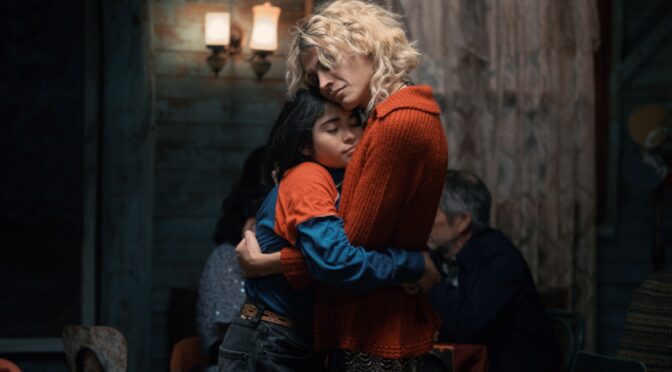
In 1982, a mysterious disease strikes the inhabitants of a remote Chilean village. The “plague”, as they call it, seems to stem from one of human beings’ primal impulses: the scopic drive. This killer gaze is not that of some petrifying Gorgon, nor that of the mechanical eye of a cinematographer who’s filming, trying to capture death. The deadly mirada (“gaze” in Spanish) is that of a Medusa whose snakes are replaced with eccentric jewelry and colorful sequins.
Continua la lettura di “LA MISTERIOSA MIRADA DEL FLAMENCO” BY DIEGO CÉSPEDES (ENG)“LA MISTERIOSA MIRADA DEL FLAMENCO” DI DIEGO CÉSPEDES
Nel 1982, un contagio colpisce gli abitanti di uno sperduto villaggio cileno. La “peste”, così la chiamano tutti, pare sia causata da una delle pulsioni primarie dell’essere umano: la spinta al guardare. Lo sguardo che uccide però non appartiene a una Gorgone pietrificante, né a un cineoperatore il cui occhio meccanico cattura la morte sulla pellicola. La mirada (“sguardo” in spagnolo) mortale è di una Medusa che non ha serpenti ma gioielli camp e lustrini colorati.
Continua la lettura di “LA MISTERIOSA MIRADA DEL FLAMENCO” DI DIEGO CÉSPEDES“NUREMBERG” BY JAMES VANDERBILT (ENG)
Article by Vittorio Barbieri
Translation by Giulia Zanotto
In November 1945, an ambitious psychiatrist (Rami Malek) is in charge of drawing up the psychological profiles of the Nazi leaders who are detained by the Allies, among whom the disturbing Hermann Göring (Russell Crowe) is included. While trying to understand the prisoners’ motives and defense strategies, Judge Robert Jackson (Michael Shannon) fights to establish an international court that will guarantee impartial justice even for the perpetrators of World War II.
Continua la lettura di “NUREMBERG” BY JAMES VANDERBILT (ENG)“NUREMBERG” DI JAMES VANDERBILT
Nel novembre 1945, un ambizioso psichiatra (Rami Malek) è incaricato di stilare il profilo psicologico dei leader nazisti detenuti dagli Alleati, tra cui c’è anche l’inquietante Hermann Göring (Russell Crowe). Mentre cerca di comprendere motivazioni e strategie difensive dei prigionieri, il giudice Robert Jackson (Michael Shannon) si batte per istituire un tribunale internazionale che garantisca una giustizia imparziale anche per i carnefici del secondo conflitto mondiale.
Continua la lettura di “NUREMBERG” DI JAMES VANDERBILT“QUASI GRAZIA” BY PETER MARCIAS (ENG)
Article by Elisabetta Pala
Translation by Valeria Marconi
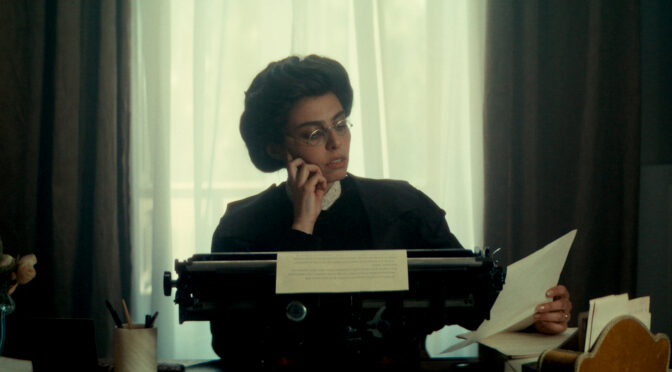
Presented at the 43rd TFF in the “Zibaldone” section, Peter Marcias’ Quasi Grazia is a film adaptation of the homonym theatrical novel written by Marcello Fois and played by Michela Murgia. It was made in order to investigate the person beyond the writer, starting from the title itself which took inspiration from Cosima, Quasi Grazia, the posthumous autobiography by Grazia Deledda. The figure of the author, narrated through three previously unknown moments of her life, is brought to the screen thanks to the performance of Irene Maiorino, Laura Morante and Ivana Monti.
Continua la lettura di “QUASI GRAZIA” BY PETER MARCIAS (ENG)“QUASI GRAZIA” DI PETER MARCIAS
Presentato al 43° TFF nella sezione “Zibaldone”, Quasi Grazia di Peter Marcias – adattamento dell’omonimo romanzo teatrale scritto da Marcello Fois e recitato da Michela Murgia – nasce dall’esigenza di indagare la persona oltre la scrittrice. A partire dal titolo, che prende ispirazione dall’autobiografia postuma di Grazia Deledda, Cosima, quasi Grazia. Raccontata attraverso tre momenti inediti della sua vita, la figura della scrittrice prende forma sullo schermo grazie all’interpretazione di Irene Maiorino, Laura Morante e Ivana Monti.
Continua la lettura di “QUASI GRAZIA” DI PETER MARCIAS“THE ENCAMPMENTS” BY KEI PRITSKER AND MICHAEL T. WORKMAN (ENG)
Article by Greta Maria Sorani
Translation by Giacomo Patterlini
“A systematic destruction of a population, a lineage, a race or a religious community”. This is the definition of the word “genocide”, a term that today is more relevant than ever and which, since 7 October 2023, seems to have become a taboo. The documentary The Encampments, directed by Kei Pritsker and Michael T. Workman, shows the ultimate consequences of this expressive repression within American universities.
Continua la lettura di “THE ENCAMPMENTS” BY KEI PRITSKER AND MICHAEL T. WORKMAN (ENG)“THE ENCAMPMENTS” DI KEI PRITSKER E MICHAEL T. WORKMAN
“Sistematica distruzione di una popolazione, una stirpe, una razza o una comunità religiosa” questa la definizione della parola genocidio, termine quanto mai attuale che dal 7 ottobre 2023 sembra essere diventato tabu. Il documentario The Encampments – Gli accampamenti diretto da Kei Pritsker e Michael T. Workman mostra le massime conseguenze di questa repressione espressiva nelle università americane.
Continua la lettura di “THE ENCAMPMENTS” DI KEI PRITSKER E MICHAEL T. WORKMAN“NEL BLU DIPINTI DI ROSSO” BY STEFANO DI POLITO (ENG)
Article by Elena Sartore
Translation by Virginia Milazzo
An old man is sitting in his studio, reading a periodical: news from the Middle East. He comments on them, visibly in distress, then surrenders himself to something merrier: music. He’s Emilio Jona, 98 years old, a member of the Italian folk band “Cantacronache”, to whom Stefano Di Polito dedicated his documentary Nel blu dipinti di rosso, presented to the 43rd edition of the Torino Film Festival.
Continua la lettura di “NEL BLU DIPINTI DI ROSSO” BY STEFANO DI POLITO (ENG)“NEL BLU DIPINTI DI ROSSO” DI STEFANO DI POLITO
Un uomo anziano legge il giornale nel suo studio: notizie dal Medioriente. Le commenta, si arrovella un poco per poi arrendersi a qualcosa di più allegro, ovvero la musica. Lui è Emilio Jona, 98 anni, uno dei membri dei Cantacronache, cui è dedicato il documentario Nel blu dipinti di rosso di Stefano Di Polito, presentato alla 43° edizione del Torino Film Festival.
Continua la lettura di “NEL BLU DIPINTI DI ROSSO” DI STEFANO DI POLITO“MOTHERS” BY ALICE TOMASSINI (ENG)
Article by Francesco Soprana
Translated by Luca Perrone
A group of Cambodian women describes the joys and struggles of being mothers. Three Italian women talk about the difficulties they faced in having children and the path they chose to follow in order to build a family. Lia, a girl from Rome, recounts her daily challenges, both big and small, and reflects on what it means to be a daughter. All these stories, ordinary and extraordinary at the same time, have something in common: surrogacy.
Continua la lettura di “MOTHERS” BY ALICE TOMASSINI (ENG)“MOTHERS” DI ALICE TOMASSINI
Un gruppo di donne cambogiane descrive gioie e problemi dell’essere madri. Tre donne italiane raccontano delle difficoltà ad avere figli e della strada che hanno deciso di intraprendere per costruirsi una famiglia. Lia, una ragazza romana, espone sfide quotidiane, piccole e grandi, e riflette su che cosa significhi essere figlia. Tutte queste storie, contemporaneamente ordinarie e straordinarie, hanno in comune una cosa: la gestazione per altri (GPA).
Continua la lettura di “MOTHERS” DI ALICE TOMASSINI“LAND WITH NO RIDER” BY TAMAR LANDO (ENG)
Article by Mirko Serra
Translation by Maria Iacovone
In New Mexico’s most remote areas, marked by drought and arson, the last cowboys survive, shadows of a bygone era who move in silence through isolation and solitude. With Land With No Rider, Tamar Lando carries out an anthropological analysis of a myth’s slow sunset: there’s no sign of the manly hero on horseback; instead, there are lonely men, tired and weak, remains of an America that decided to forget its past. Under their hats, they still wear flannel shirts and old leather boots and, between cigarettes and country songs, the three protagonists reveal the dark reality concealed behind the everyday life of the Southwest, where time stands still, in contrast with an ever-changing country.
Continua la lettura di “LAND WITH NO RIDER” BY TAMAR LANDO (ENG)“LAND WITH NO RIDER” DI TAMAR LANDO
Nelle aree più remote del New Mexico, segnate da siccità e incendi dolosi, sopravvivono gli ultimi cowboy, ombre di un tempo passato che si muovono in silenzio tra isolamento e solitudine. Con Land With No Rider, Tamar Lando compie un’analisi antropologica sul lento tramonto di un mito: non c’è traccia dell’eroe virile in sella; al suo posto, uomini soli, stanchi e deboli, residui di un’America che ha deciso di dimenticare il proprio passato. Sotto i loro cappelli, vestono ancora camicie di flanella e vecchi stivali di pelle e, tra sigarette e brani country, i tre protagonisti rivelano la cupa realtà celata dietro la quotidianità del Southwest, dove il tempo si è fermato, in contrasto con un paese in continuo mutamento.
Continua la lettura di “LAND WITH NO RIDER” DI TAMAR LANDO“PILLION” BY HARRY LIGHTON (ENG)
Article by Francesco Soprana
Translation by Alessandra Di Paola Seminara
“Have you ever been with a biker?” With this teasing question begins the erotic and emotional odyssey of Colin (Harry Melling) in Harry Lighton’s feature debut, a film that delves into the intricate universe of dominant-submissive relationships. Winner of the Screenplay Prize in the Un Certain Regard section at Cannes, Pillion is presented in the Out of Competition category at the 43rd TFF.
Continua la lettura di “PILLION” BY HARRY LIGHTON (ENG)