
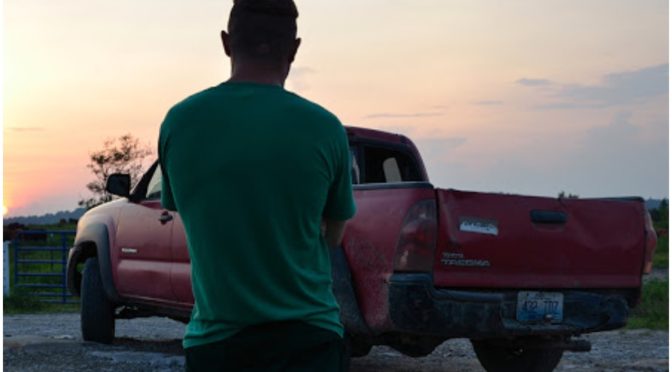
Nel cuore degli Appalachi, a circa trecento metro di altezza sorge Talcum, un piccolo insediamento indipendente dall’amministrazione locale. Brian Ritchie e la sua famiglia vivono da decenni in questa zona, un tempo terra di miniere. Hanno visto svilupparsi un mix esplosivo di declino economico, disastro ecologico e violenza sociale. Li chiamano hillbillies, cioè bifolchi, zotici montanari, un insulto diventato per molti un segno identitario. Tra questi lo stesso Brian, che vive intrappolato tra un passato mitico e un futuro senza prospettive. È uno degli ultimi testimoni di un mondo in estinzione che, proprio per questo, ispira la sua poesia.
Continua la lettura di “THE LAST HILLBILLY” DI DIANE SARA BOUZGARROU E THOMAS JENKOE
ITALIANA.CORTI
Article by Andrea Bruno
Translated by Nadia Tordera
Divided into two separate programs of about one hour each, there are eight films that make up the competitive ITALIANA.CORTI section of the 38th Torino Film Festival. The variety of gazes is remarkable but perhaps there is a common thread that unites them and that must be sought in the attention that almost all directors turn to intimate and everyday stories, often able to rise, sometimes unexpectedly, towards the territories of epic. Above all they share a lively linguistic research which usually uses archival material, found footage, Super 8, or collage in the almost desperate experimentation of new expressive solutions.
Continua la lettura di ITALIANA.CORTIITALIANA.CORTI
Ripartiti in due programmi distinti di circa un’ora ciascuno, sono otto i film che compongono la sezione competitiva ITALIANA.CORTI del 38° Torino Film Festival. La varietà di sguardi è notevole, ma forse c’è un filo rosso che li unisce e che va ricercato nell’attenzione che quasi tutti i registi rivolgono a storie intime e quotidiane, spesso capaci di elevarsi, talora inaspettatamente, verso i territori dell’epica. Soprattutto, li accomuna una vivace ricerca linguistica, che nella sperimentazione quasi disperata di nuove soluzioni espressive ricorre in molti casi al materiale d’archivio, al found footage, al Super 8, al collage.
Continua la lettura di ITALIANA.CORTI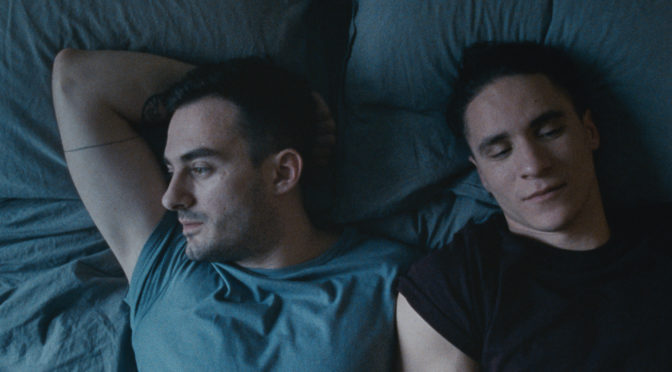
“CAMP DE MACI” by EUGEN JEBELEANU
Article by Carola Capello
Translated by Paola Macchiarella
First work of the director Eugen Jebeleanu, Camp de Maci is inspired by a real event happened in 2013 in Bucarest, when a group of homophobic demonstrators interrupted some LGBTQ+ film screenings.
Continua la lettura di “CAMP DE MACI” by EUGEN JEBELEANU“CAMP DE MACI” DI EUGEN JEBELEANU
Diretto da Eugen Jebeleanu (al suo esordio cinematografico), Camp de Maci prende ispirazione da un evento realmente accaduto a Bucarest, nel 2013, quando alcune proiezioni di film LGBTQ+ vennero interrotte da gruppi di manifestanti omofobi.
Continua la lettura di “CAMP DE MACI” DI EUGEN JEBELEANU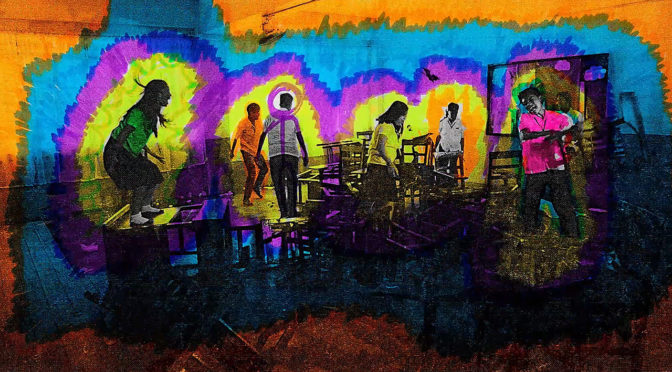
“CLEANERS” By GLENN BARIT
Article by Fabio Bertolotto
Translated by Nadia Tordera
The “cleaners” to which the title refers are a group of eight students from a strict Catholic school in the Philippines. They are defined in this way because they are the protagonists of four stories in which they are forced to respect obtuse educational rules that require them to be clean and correct at all costs. Cleaners also describes the pressures that young people experience from a world that is dirty and superficial.
Continua la lettura di “CLEANERS” By GLENN BARIT“CLEANERS” DI GLENN BARIT
Gli “addetti alle pulizie”, a cui fa riferimento il titolo, sono un gruppo di otto studenti e studentesse di una rigida scuola cattolica delle Filippine. Vengono definiti così perché sono protagonisti di quattro vicende in cui sono costretti a rispettare ottuse regole educative che impongono di essere puliti e corretti a tutti i costi. Cleaners descrive anche le pressioni che i ragazzi subiscono da un mondo che invece è sporco e superficiale.
Continua la lettura di “CLEANERS” DI GLENN BARIT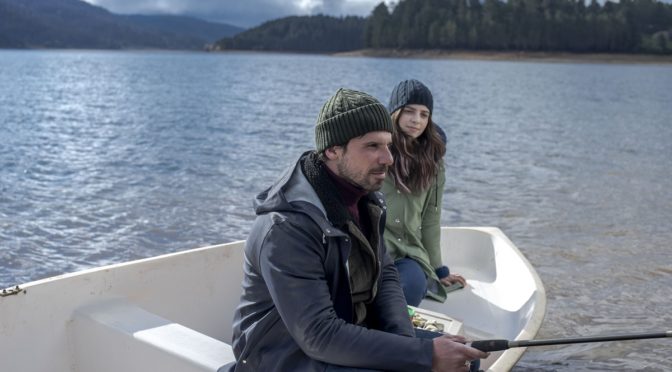
“REGINA” BY ALESSANDRO GRANDE
Article by Marco Ghironi
Translated by Francesca Cozzitorto
Regina, the only Italian film in competition at the Turin Film Festival 2020, is Alessandro Grande’s first feature film.
The director’s long experience with the short film form explains the mastery of the story-telling in a more extended time, without ever losing the viewer’s attention. A whirlwind of music, glances, silences and lies converge in a real coming-of-age story. The protagonists are the young Regina (Ginevra Francesconi) and her father Luigi (Francesco Montanari), who are committed to helping his daughter fulfill the dream of becoming a singer in every possible way. He had the same dream but he had to give up on it after his wife passed away. However, everything changes when an unforeseen event disrupts their lives.
Continua la lettura di “REGINA” BY ALESSANDRO GRANDE“REGINA” DI ALESSANDRO GRANDE
Regina, unico film italiano in concorso al Torino Film Festival 2020, è il primo lungometraggio di Alessandro Grande.
La grande esperienza del regista con la forma cortometraggio risuona nella maestria nel narrare una storia in un tempo più dilatato, senza perdere mai l’attenzione dello spettatore. Un turbinio di musica, sguardi, silenzi e bugie confluiscono in un vero e proprio racconto di formazione. Ad esserne protagonisti sono la giovane Regina (Ginevra Francesconi) e suo padre Luigi (Francesco Montanari), impegnato ad aiutare la figlia a coronare il sogno di diventare cantante con ogni possibile sotterfugio; stesso obiettivo che lui ha dovuto abbandonare dopo la morte della moglie. Tutto cambia però quando un evento imprevisto sconvolge le loro vite.
Continua la lettura di “REGINA” DI ALESSANDRO GRANDE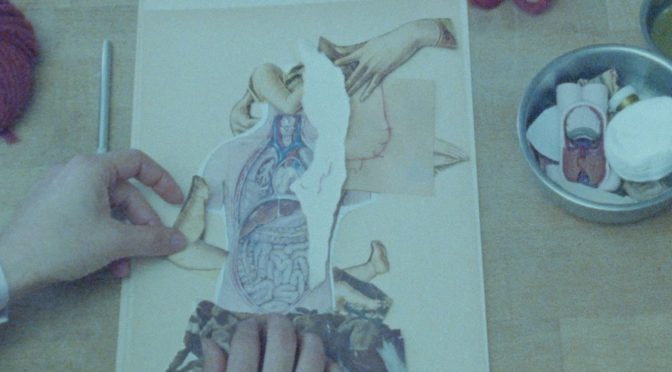
“AL LARGO” BY ANNA MARZIANO
Article by Francesco Dubini
Translated by Giulia Neirone
“A disorienting and extraordinary experience” that’s how Anna Marziano defines Al largo, her metamorphic and complex film, which combines philosophic research and cinematographic knowledge. The documentary wants to analyze the pain related to an illness, in a timeless context which connects the director’s personal experience and Nietzsche and Winnicott’s works.
Continua la lettura di “AL LARGO” BY ANNA MARZIANO“AL LARGO” DI ANNA MARZIANO
“Un’esperienza straniante e fantasmagorica”: così Anna Marziano definisce il suo Al largo, film metamorfico e complesso, che unisce ricerca filosofica e sapienza cinematografica. Il documentario si propone di frequentare il dolore legato alla malattia, in un terreno d’indagine atemporale che mette in dialogo l’esperienza personale dell’autrice con la lettura di Nietzsche e Winnicott.
Continua la lettura di “AL LARGO” DI ANNA MARZIANO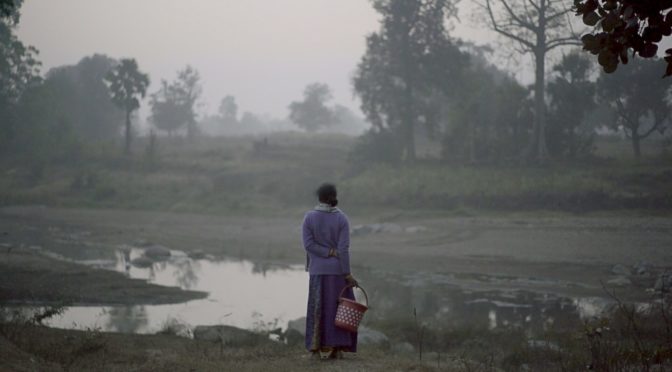
“A RIFLE AND A BAG” BY CRISTINA HANES, ISABELLA RINALDI, ARYA ROTHE
Article by Alessandro Pomati
Translated by Nadia Tordera
Since the 1960s in the Indian jungle the militant Maoist group of Naxalites has operated in charge of protection (even violent) of the tribal minorities of the sub-continent. Since their foundation these armed groups have played the role of “public enemy nr.1” for the country’s internal security.
However for the rebels who had surrendered, total amnesty and protection from retaliation by former militant comrades, were always guaranteed within well-protected communities. And A Rifle and a Bag, the first work of the collective “NoCut Film” formed by Cristina Haneş, Isabella Rinaldi and Arya Rothe, is about one of these realities of “refugees”.
Continua la lettura di “A RIFLE AND A BAG” BY CRISTINA HANES, ISABELLA RINALDI, ARYA ROTHE“A RIFLE AND A BAG” DI CRISTINA HANES, ISABELLA RINALDI, ARYA ROTHE
Nella jungla indiana, a partire dagli anni Sessanta, opera il gruppo maoista militante dei naxaliti, preposto alla tutela (anche violenta) delle minoranze tribali del sub-continente. Dalla loro fondazione, questi gruppi armati hanno rivestito il ruolo di “nemico pubblico n.1” per la sicurezza interna del Paese.
Per i ribelli che si fossero arresi sono però sempre state garantite la totale amnistia e la protezione dalle ritorsioni dagli ex compagni di militanza, all’interno di comunità ben salvaguardate. Ed è su una di queste realtà di “rifugiati” che si concentra A Rifle and a Bag, opera prima del collettivo “NoCut Film”, formato da Cristina Haneş, Isabella Rinaldi e Arya Rothe.
Continua la lettura di “A RIFLE AND A BAG” DI CRISTINA HANES, ISABELLA RINALDI, ARYA ROTHE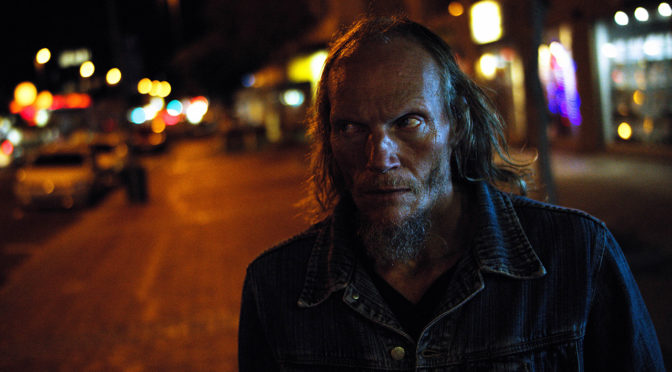
“FRIED BARRY” By RYAN KRUGER
Article by Noemi Castelvetro
Translated by Paola Macchiarella
Specialized film critics were caught rather off guard, because cinema has experienced a change when it comes to the ways it is exploited. On the other hand, new perspectives emerged in terms of film discourse and instruments to understand it. It is especially evidentin films like this one, in which the stated intent is to tell a certain audience to beat it. That being said, it is very difficult to examine Fried Barry without distorting it, but it is also unnecessary to dissect it in order to extract an additional critical consideration, which would be “too much of a good thing”.
Continua la lettura di “FRIED BARRY” By RYAN KRUGER“FRIED BARRY” DI RYAN KRUGER
Se la critica cinematografica specializzata si è trovata a tratti spiazzata per il cambiamento nelle forme e nelle modalità di fruizione del cinema, al contempo si sono delineate nuove prospettive di collocazione rispetto alla sfera discorsiva del film e degli strumenti per approcciarla. Soprattutto se nel film in questione, come in questo caso, campeggia la voglia di mandare a quel paese un certo tipo di pubblico. Premessa fatta, è complesso cercare di approfondire Fried Barry senza snaturarlo, come non è indispensabile setacciarlo per estrapolare quella riflessione critica in più che “stroppierebbe il troppo”.
Continua la lettura di “FRIED BARRY” DI RYAN KRUGER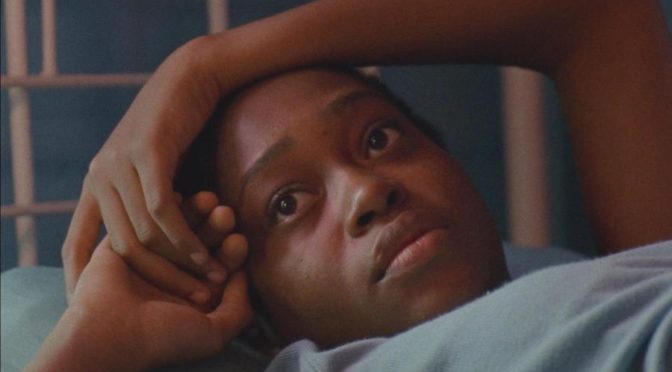
“EYIMOFE” By ARIE E CHUKO ESIRI
Article by Angelo Elia
Translated by Carmen Tucci
Eyimofe (This is my desire), first feature film by Arie and Chuko Esiri (two brothers) is, like we can guess from the title, a movie about desire. The two protagonists, Mofe and Rosa, want to leave Nigeria and go abroad: they won’t succeed and they will learn at a high price not to confuse their own desire with their own satisfaction.
“EYIMOFE” DI ARIE E CHUKO ESIRI
Eyimofe (This is my desire), primo lungometraggio dei fratelli Arie e Chuko Esiri è, come si può facilmente indovinare dal titolo, un film sul desiderio. I due protagonisti del film, Mofe e Rosa, sognano di lasciare la Nigeria ed emigrare all’estero: nessuno dei due vi riuscirà ed entrambi impareranno a caro prezzo a non confondere il proprio desiderio con la sua soddisfazione. Continua la lettura di “EYIMOFE” DI ARIE E CHUKO ESIRI
“BOTOX ” BY KAVEH MAZAHERI
Article by Andrea Bruno
Translated by Aurora Sciarrone
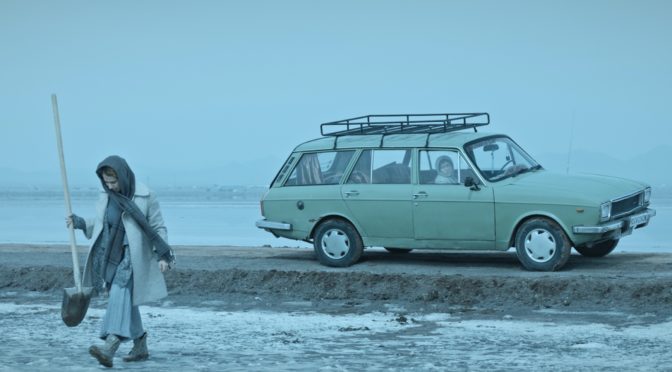
“It was a dark and stormy night”, as Snoopy would have wrote. That is how Botox begins, in a dark and stormy night, while on a TV screen another classic cartoon character, Wile E. Coyote, performs one of his usual tumbles, out of which he will be comically deformed but still unharmed. Akram (Susan Parvar) is completely taken by the scene. She is affected by autism, and she is stuck in a world made of repetitive actions and a vaguely childish attitude, and perhaps she believes that the same laws of physics that dominate the cartoon world apply to the real one, too. It so happens that she does not hesitate to push her brother Emad (SoroushSaeidi, also being the film’s producer) off the roof, who is guilty of having made fun of her one too many times.
Continua la lettura di “BOTOX ” BY KAVEH MAZAHERI“BOTOX ” DI KAVEH MAZAHERI
“Era una notte buia e tempestosa”, avrebbe scritto Snoopy. Inizia proprio così Botox, in una notte buia e tempestosa, mentre su uno schermo televisivo un altro veterano del disegno animato, Willy il Coyote, si esibisce in uno dei suoi soliti capitomboli, dal quale esce comicamente deformato ma sostanzialmente incolume. Akram (Susan Parvar) guarda rapita la scena. È affetta da autismo, bloccata in un mondo di gesti rituali e di atteggiamenti vagamente infantili, e forse crede che le medesime leggi fisiche che regolano il mondo dei cartoon valgano anche nella realtà. Sta di fatto che non ci pensa due volte a spingere giù dal tetto suo fratello Emad (Soroush Saeidi, anche produttore del film), colpevole un giorno di averla derisa una volta di troppo.
Continua la lettura di “BOTOX ” DI KAVEH MAZAHERI
“IL BUCO IN TESTA” DI ANTONIO CAPUANO
Nata e cresciuta nella periferia di Napoli, Maria (Teresa Saponangelo) è orfana di padre ancor prima di venire al mondo. A portarglielo via un colpo di pistola esploso dal brigatista Guido Mandelli (Tommaso Ragno) che, una volta scontata la pena in carcere, vedrà bussare alla sua porta la giovane donna in cerca di risposte. Con Il buco in testa, presentato fuori concorso al Torino Film Festival, Antonio Capuano dedica un nuovo capitolo alla sua Napoli, teatro inconsapevole di vite alla deriva.
Continua la lettura di “IL BUCO IN TESTA” DI ANTONIO CAPUANO