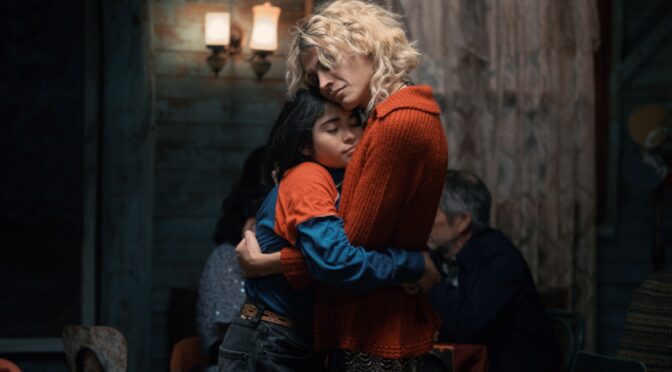
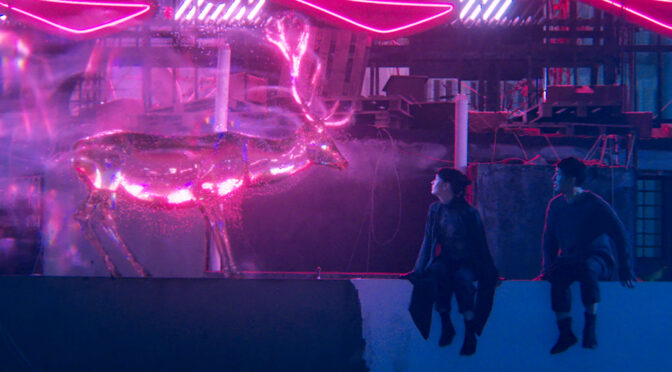
In 1982, a mysterious disease strikes the inhabitants of a remote Chilean village. The “plague”, as they call it, seems to stem from one of human beings’ primal impulses: the scopic drive. This killer gaze is not that of some petrifying Gorgon, nor that of the mechanical eye of a cinematographer who’s filming, trying to capture death. The deadly mirada (“gaze” in Spanish) is that of a Medusa whose snakes are replaced with eccentric jewelry and colorful sequins.
Nel 1982, un contagio colpisce gli abitanti di uno sperduto villaggio cileno. La “peste”, così la chiamano tutti, pare sia causata da una delle pulsioni primarie dell’essere umano: la spinta al guardare. Lo sguardo che uccide però non appartiene a una Gorgone pietrificante, né a un cineoperatore il cui occhio meccanico cattura la morte sulla pellicola. La mirada (“sguardo” in spagnolo) mortale è di una Medusa che non ha serpenti ma gioielli camp e lustrini colorati.
In November 1945, an ambitious psychiatrist (Rami Malek) is in charge of drawing up the psychological profiles of the Nazi leaders who are detained by the Allies, among whom the disturbing Hermann Göring (Russell Crowe) is included. While trying to understand the prisoners’ motives and defense strategies, Judge Robert Jackson (Michael Shannon) fights to establish an international court that will guarantee impartial justice even for the perpetrators of World War II.
Nel novembre 1945, un ambizioso psichiatra (Rami Malek) è incaricato di stilare il profilo psicologico dei leader nazisti detenuti dagli Alleati, tra cui c’è anche l’inquietante Hermann Göring (Russell Crowe). Mentre cerca di comprendere motivazioni e strategie difensive dei prigionieri, il giudice Robert Jackson (Michael Shannon) si batte per istituire un tribunale internazionale che garantisca una giustizia imparziale anche per i carnefici del secondo conflitto mondiale.
“A systematic destruction of a population, a lineage, a race or a religious community”. This is the definition of the word “genocide”, a term that today is more relevant than ever and which, since 7 October 2023, seems to have become a taboo. The documentary The Encampments, directed by Kei Pritsker and Michael T. Workman, shows the ultimate consequences of this expressive repression within American universities.
“Sistematica distruzione di una popolazione, una stirpe, una razza o una comunità religiosa” questa la definizione della parola genocidio, termine quanto mai attuale che dal 7 ottobre 2023 sembra essere diventato tabu. Il documentario The Encampments – Gli accampamenti diretto da Kei Pritsker e Michael T. Workman mostra le massime conseguenze di questa repressione espressiva nelle università americane.
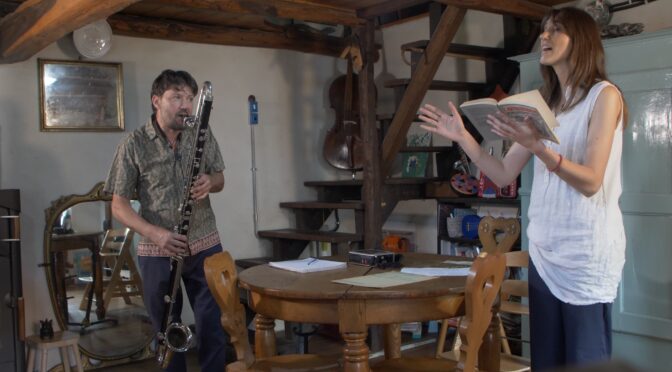
An old man is sitting in his studio, reading a periodical: news from the Middle East. He comments on them, visibly in distress, then surrenders himself to something merrier: music. He’s Emilio Jona, 98 years old, a member of the Italian folk band “Cantacronache”, to whom Stefano Di Polito dedicated his documentary Nel blu dipinti di rosso, presented to the 43rd edition of the Torino Film Festival.
Un uomo anziano legge il giornale nel suo studio: notizie dal Medioriente. Le commenta, si arrovella un poco per poi arrendersi a qualcosa di più allegro, ovvero la musica. Lui è Emilio Jona, 98 anni, uno dei membri dei Cantacronache, cui è dedicato il documentario Nel blu dipinti di rosso di Stefano Di Polito, presentato alla 43° edizione del Torino Film Festival.
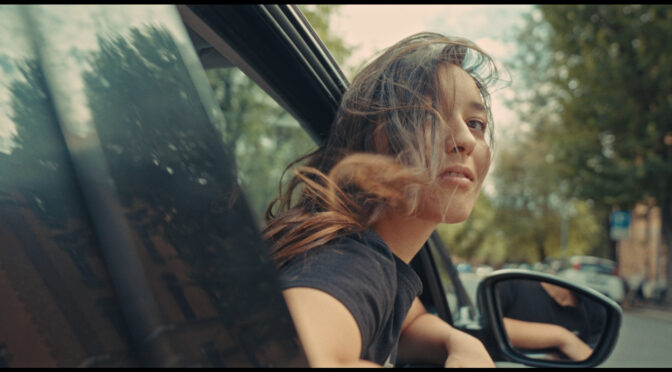
A group of Cambodian women describes the joys and struggles of being mothers. Three Italian women talk about the difficulties they faced in having children and the path they chose to follow in order to build a family. Lia, a girl from Rome, recounts her daily challenges, both big and small, and reflects on what it means to be a daughter. All these stories, ordinary and extraordinary at the same time, have something in common: surrogacy.
Un gruppo di donne cambogiane descrive gioie e problemi dell’essere madri. Tre donne italiane raccontano delle difficoltà ad avere figli e della strada che hanno deciso di intraprendere per costruirsi una famiglia. Lia, una ragazza romana, espone sfide quotidiane, piccole e grandi, e riflette su che cosa significhi essere figlia. Tutte queste storie, contemporaneamente ordinarie e straordinarie, hanno in comune una cosa: la gestazione per altri (GPA).
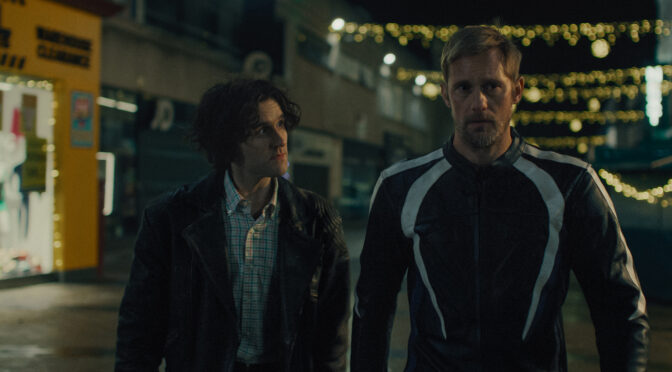
“Have you ever been with a biker?” With this teasing question begins the erotic and emotional odyssey of Colin (Harry Melling) in Harry Lighton’s feature debut, a film that delves into the intricate universe of dominant-submissive relationships. Winner of the Screenplay Prize in the Un Certain Regard section at Cannes, Pillion is presented in the Out of Competition category at the 43rd TFF.
«Sei mai stato con un motociclista?». Questa è la frase che dà inizio al viaggio erotico e sentimentale di Colin (Harry Melling) nel lungometraggio di esordio di Harry Lighton che esplora la galassia delle relazioni tra dominante e sottomesso, vincitore del Premio per la sceneggiatura nella sezione Un Certain Regard a Cannes e presentato Fuori Concorso al 43° TFF.
Family bonds are just as hard to break as they are to mend. However, if our reality is not enough to fill the emotional gap caused by unexpected and senseless separations, virtual reality transcends dimensional boundaries, offering unforeseen support in the search for a solution. «Reality is what you make of it» and LUZ, the VR game that lends its title to Flora Lau’s film that was presented out of competition at the 43rd Torino Film Festival, promises to deliver this experience.
I legami familiari sono tanto difficili da spezzare quanto da ricongiungere. Tuttavia, se la realtà che conosciamo non è sufficiente a colmare la distanza affettiva – causata da separazioni improvvise e inspiegate –, la realtà virtuale offre un controllo insperato nella ricerca della soluzione, trascendendo i confini dimensionali. «Reality is what you make of it» e LUZ, VR game che dà il titolo al film di Flora Lau, presentato fuori concorso alla 43ª edizione del Torino Film Festival, promette di farne esperienza.
Ritratti di cinema explores cinema through the personal and analytical gaze of nine leading figures on the international scene: Jane Campion, Tim Burton, Ruben Östlund, Asghar Farhadi, Pablo Larraín, Damien Chazelle, Paul Schrader, Peter Greenaway and Martin Scorsese.
In Ritratti di cinema si indaga il cinema attraverso lo sguardo insieme personale e analitico di nove protagonisti della scena internazionale: Jane Campion, Tim Burton, Ruben Östlund, Asghar Farhadi, Pablo Larraín, Damien Chazelle, Paul Schrader, Peter Greenaway e Martin Scorsese.
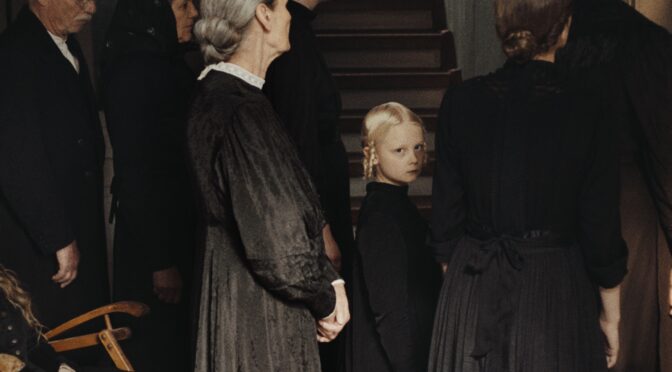
On a farm in northern Germany, four generations across four different eras — the 1910s, the 1940s, the 1980s and the 2000s — take turns inhabiting the same space over the course of a century. They appear separated by time, yet they are linked by the same thoughts, fears and desires. What happens in the past resonates in the present, and unresolved traumas return with force in the generations that follow.
In una fattoria nel nord della Germania, quattro generazioni in altrettante epoche (anni ’10, anni ’40, anni ’80 e anni 2000) si alternano in un secolo di storia, apparentemente separate dal tempo, ma intimamente accomunate da pensieri, paure e desideri. Ciò che succede nel passato, dunque, si riverbera sempre nel presente e i traumi irrisolti ritornano pungenti nelle generazioni successive.
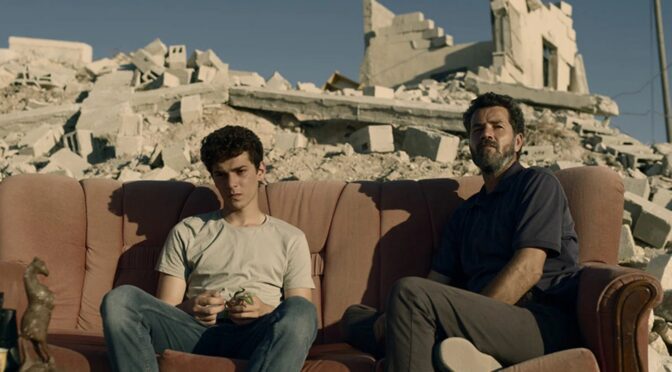
The death of a brother, son, or friend is one of the worst tragedies a human being can experience. But how much time is left for individual mourning when an entire country is falling apart under the siege of settlers?
La morte di un fratello, di un figlio o di un amico è una tra le peggiori tragedie esperibili dall’essere umano. Ma quanto tempo rimane per il lutto individuale quando un intero Paese sta cadendo a pezzi sotto l’assedio dei coloni?
Il magazine delle studentesse e degli studenti del Dams/Cam di Torino
Utilizziamo i cookie per essere sicuri che tu possa avere la migliore esperienza sul nostro sito. Se continui ad utilizzare questo sito noi assumiamo che tu ne sia felice.