
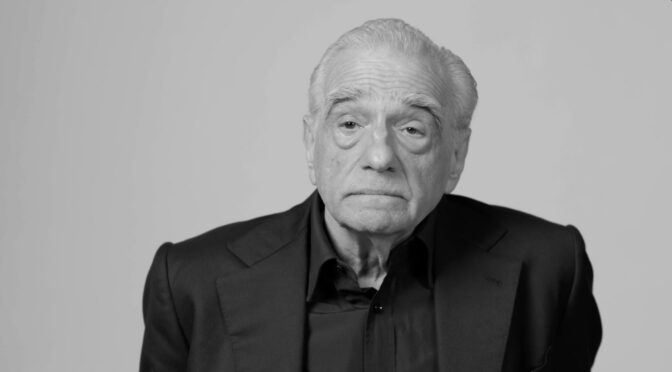
In Ritratti di cinema si indaga il cinema attraverso lo sguardo insieme personale e analitico di nove protagonisti della scena internazionale: Jane Campion, Tim Burton, Ruben Östlund, Asghar Farhadi, Pablo
Larraín, Damien Chazelle, Paul Schrader, Peter Greenaway e Martin Scorsese.
“SOUND OF FALLING” BY MASCHA SCHILINSKI (ENG)
Article by Francesca Strangis
Translated by Giorgia Cattaneo
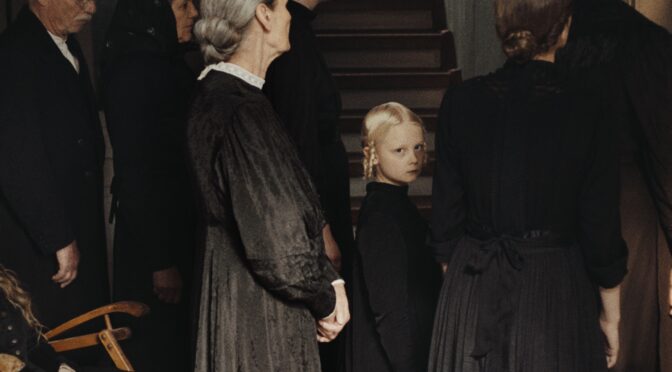
On a farm in northern Germany, four generations across four different eras — the 1910s, the 1940s, the 1980s and the 2000s — take turns inhabiting the same space over the course of a century. They appear separated by time, yet they are linked by the same thoughts, fears and desires. What happens in the past resonates in the present, and unresolved traumas return with force in the generations that follow.
Continua la lettura di “SOUND OF FALLING” BY MASCHA SCHILINSKI (ENG)“SOUND OF FALLING” DI MASCHA SCHILINSKI
In una fattoria nel nord della Germania, quattro generazioni in altrettante epoche (anni ’10, anni ’40, anni ’80 e anni 2000) si alternano in un secolo di storia, apparentemente separate dal tempo, ma intimamente accomunate da pensieri, paure e desideri. Ciò che succede nel passato, dunque, si riverbera sempre nel presente e i traumi irrisolti ritornano pungenti nelle generazioni successive.
Continua la lettura di “SOUND OF FALLING” DI MASCHA SCHILINSKI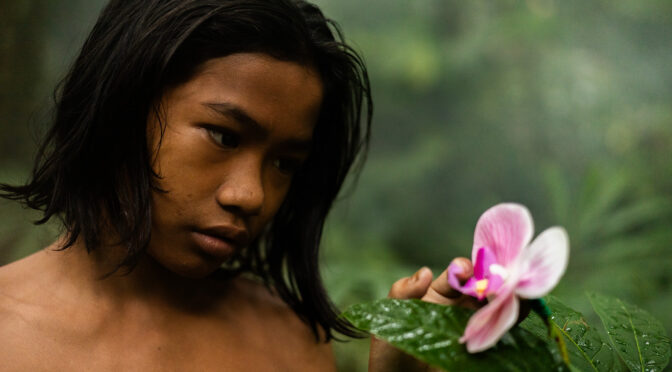
“THE GARDEN OF EARTHLY DELIGHTS” BY MORGAN KNIBBE (ENG)
Article by Luca Delpiano
Translation by Giulia Zanotto
Presented in the feature film competition at the 43rd Torino Film Festival, Morgan Knibbe’s The Garden of Earthly Delights explores the connection between body, city and identity. In Manila’s Red Light District, two stories are intertwined: that of Ginto, a young boy who dreams of rising in the criminal world alongside the friend he is secretly in love with; and that of Michael, a Dutch tourist who arrives in the Philippines and ends up giving in to his darkest impulses, becoming a symbol of white privilege that continues to exert power over vulnerable bodies.
Continua la lettura di “THE GARDEN OF EARTHLY DELIGHTS” BY MORGAN KNIBBE (ENG)“THE GARDEN OF EARTHLY DELIGHTS” DI MORGAN KNIBBE
Presentato nel concorso lungometraggi del 43° Torino Film Festival, The Garden of Earthly Delights di Morgan Knibbe indaga il legame tra corpo, città e identità. Nel Red Light District di Manila si intrecciano le storie di Ginto, ragazzino che sogna un’ascesa criminale accanto all’amico di cui è segretamente innamorato, e Michael, turista olandese che approda nelle Filippine finendo per abbandonarsi ai suoi impulsi più oscuri e diventando il simbolo di un privilegio bianco che continua a esercitare potere su corpi vulnerabili.
Continua la lettura di “THE GARDEN OF EARTHLY DELIGHTS” DI MORGAN KNIBBE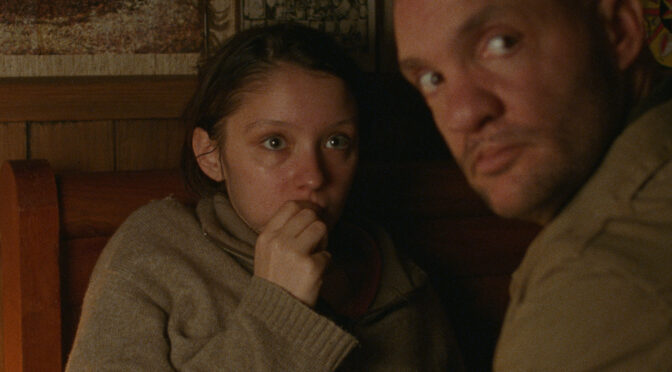
“QUE MA VOLONTÉ SOIT FAITE” BY JULIA KOWALSKI (ENG)
Article by Beatrice Bertino
Translation by Virginia Milazzo
Julia Kowalski presents her second feature film, Que ma volonté soit faite, in Turin, which had already been selected for the Quinzaine des Cinéastes (Directors’ Fortnight) in Cannes. The director tells a dark-toned tale, completely immersed in the French rural areas, where a family of Polish immigrants – just like her parents – runs a cattle farm. An obscure sequence of events unfolds between cowsheds and farmland, firmly bound to faith and sin, redemption and damnation.
Continua la lettura di “QUE MA VOLONTÉ SOIT FAITE” BY JULIA KOWALSKI (ENG)“QUE MA VOLONTÉ SOIT FAITE” DI JULIA KOWALSKI
Julia Kowalski presenta a Torino il suo secondo lungometraggio di finzione Que ma volonté soit faite, già selezionato a Cannes nella sezione Quinzaine des Cinéastes. La regista racconta una storia dai toni cupi, completamente immersa nelle aree rurali francesi, in cui una famiglia di immigrati polacchi – come furono i suoi genitori – gestisce un allevamento di mucche. Stalle e campagne sono gli orizzonti visivi di una vicenda oscura, intrecciata saldamente a fede e peccato, redenzione e dannazione.
Continua la lettura di “QUE MA VOLONTÉ SOIT FAITE” DI JULIA KOWALSKI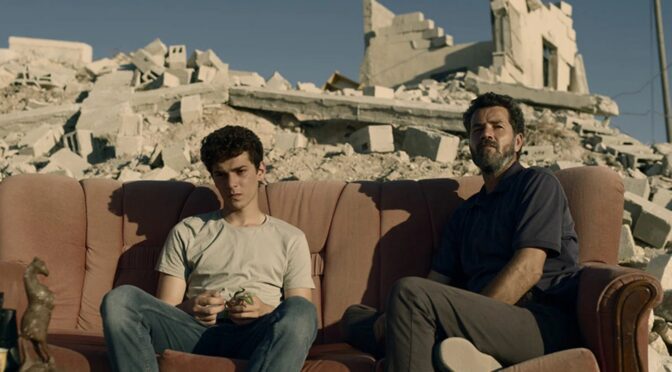
“THE TEACHER” BY FARAH NABULSI (ENG)
Article by Sveva Keiko Abbatantuono
Translation by Carlotta Anna Antonacci
The death of a brother, son, or friend is one of the worst tragedies a human being can experience. But how much time is left for individual mourning when an entire country is falling apart under the siege of settlers?
Continua la lettura di “THE TEACHER” BY FARAH NABULSI (ENG)“THE TEACHER” DI FARAH NABULSI
La morte di un fratello, di un figlio o di un amico è una tra le peggiori tragedie esperibili dall’essere umano. Ma quanto tempo rimane per il lutto individuale quando un intero Paese sta cadendo a pezzi sotto l’assedio dei coloni?
Continua la lettura di “THE TEACHER” DI FARAH NABULSI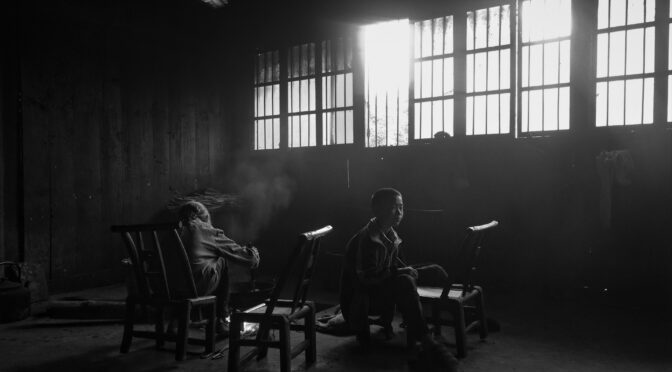
“ALWAYS” BY DEMING CHEN (ENG)
Article by Giada Franzoni
Translation by Viola Suria
With Always, competing in the documentaries section of the 43rd Torino Film Festival, Deming Chen delivers a work of rare delicacy, a film that tiptoes into the solitude of a child gifted with extraordinary sensitivity.
Continua la lettura di “ALWAYS” BY DEMING CHEN (ENG)“ALWAYS” DI DEMING CHEN
Con Always, in concorso nella sezione documentari alla 43ª edizione del Torino Film Festival, Deming Chen firma un’opera di rara delicatezza, un documentario che si muove in punta di piedi dentro la solitudine di un bambino dalla spiccata sensibilità.
“LEVERS” BY RHAYNE VERMETTE (ENG)
Article by Elena Sartore
Translation by Giacomo Patterlini
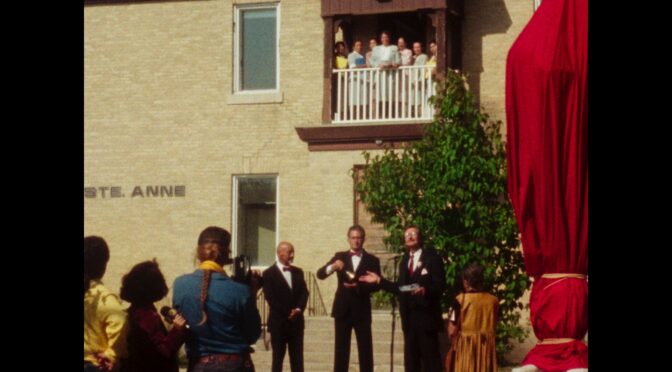
What if one day the sun won’t rise again? This absurd hypothesis becomes reality in Levers, the second feature film by Canadian director Rhayne Vermette.
“LEVERS” DI RHAYNE VERMETTE
E se un giorno il sole non dovesse sorgere? Questa ipotesi assurda diventa la realtà di Levers, secondo lungometraggio della regista canadese Rhayne Vermette.
Continua la lettura di “LEVERS” DI RHAYNE VERMETTE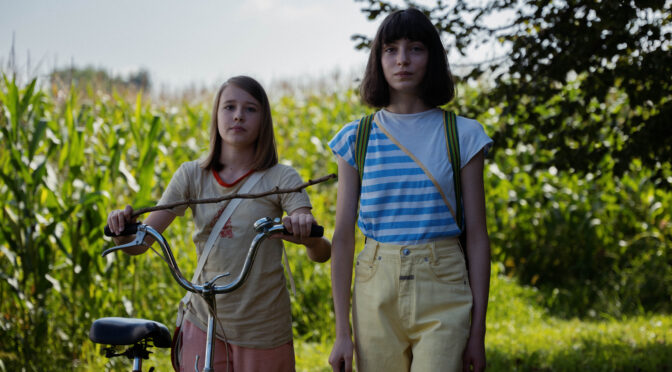
“IDA WHO SANG SO BADLY EVEN THE DEAD ROSE UP AND JOINED HER IN A SONG” BY ESTER IVAKIČ (ENG)
Article by Francesca Strangis
Translation by Patrick Zaffalon
Death is looming over a small Slovenian village, incarnating in the mysterious figure of a man covered in flowers and colorful ribbons. It will fall to a young girl to deal with him. Unable to understand the inevitability of fate, she joins a choir in the attempt to keep her grandmother alive, believing that a song heard coming from afar once saved her grandmother when she was at death’s door.
Continua la lettura di “IDA WHO SANG SO BADLY EVEN THE DEAD ROSE UP AND JOINED HER IN A SONG” BY ESTER IVAKIČ (ENG)“IDA WHO SANG SO BADLY EVEN THE DEAD ROSE UP AND JOINED HER IN A SONG” DI ESTER IVAKIČ
La morte incombe su piccolo villaggio sloveno, materializzandosi nella misteriosa figura di un uomo ricoperto di fiori e nastri colorati. A doverci fare i conti è una bambina che, incapace di comprendere l’ineluttabilità del destino e credendo che in punto di morte la nonna sia stata salvata da un canto udito in lontananza, decide di unirsi a un coro per mantenerla in vita.
Continua la lettura di “IDA WHO SANG SO BADLY EVEN THE DEAD ROSE UP AND JOINED HER IN A SONG” DI ESTER IVAKIČ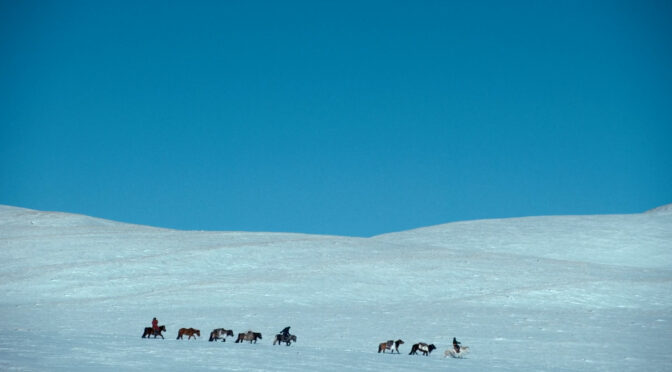
“IRON WINTER” BY KASIMIR BURGESS (ENG)
Article by Davide Lassandro
Translation by Valeria Marconi
In Mongolia, there is a centuries-old tradition, passed down from father to son, which consists of taking care of horses through transhumance to help them survive the harsh and freezing winters of that region. Six years ago, this tradition was suddenly interrupted due to winter weather, which has grown increasingly harsh over the years. Now, the elders need to revive this ancient tradition by entrusting the arduous task to two young friends.
Continua la lettura di “IRON WINTER” BY KASIMIR BURGESS (ENG)“IRON WINTER” DI KASIMIR BURGESS
In Mongolia esiste una tradizione plurisecolare, tramandata di padre in figlio, che consiste nel prendersi cura dei cavalli compiendo una transumanza per farli sopravvivere ai gelidi e rigidissimi inverni che caratterizzano il territorio. Sei anni fa questa tradizione si è improvvisamente interrotta a causa del clima invernale, sempre più duro di anno in anno. Dunque ora gli anziani dovranno far rivivere l’antica usanza affidando l’arduo compito a due giovani amici.
Continua la lettura di “IRON WINTER” DI KASIMIR BURGESS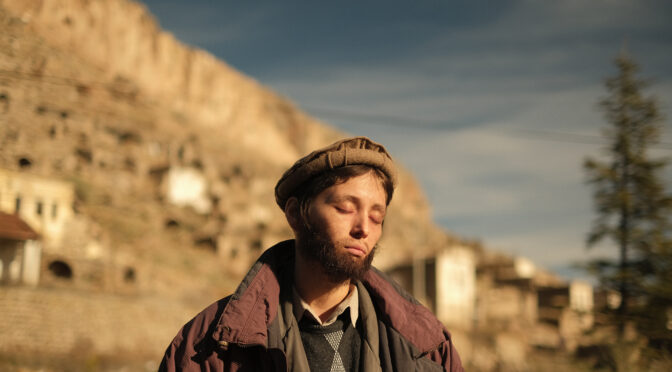
“CINEMA JAZIREH” BY GÖZDE KURAL (ENG)
Article by Andrea Dosio
Translation by Alice Ivaldi Lessona
No Woman’s Land is a photo feature shot in Afghanistan by Kiana Hayeri for the World Press Photo 2025. It is a testament to the resistance and dignity of Afghan women, which has a lot in common with Cinema Jazireh, Gözde Kural’s second feature film presented in competition at the TFF.
Continua la lettura di “CINEMA JAZIREH” BY GÖZDE KURAL (ENG)“CINEMA JAZIREH” DI GÖZDE KURAL
Non è un paese per donne è un reportage fotografico realizzato in Afghanistan da Kiana Hayeri per il World Press Photo 2025. Una testimonianza della resistenza e della dignità delle donne afghane, che ha molto in comune con Cinema Jazireh, secondo lungometraggio di Gözde Kural presentato in concorso al TFF.
“TODAS LAS FUERZAS” BY LUCIANA PIANTANIDA (ENG)
Article by Marta Mastrocinque
Translated by Maria Iacovone
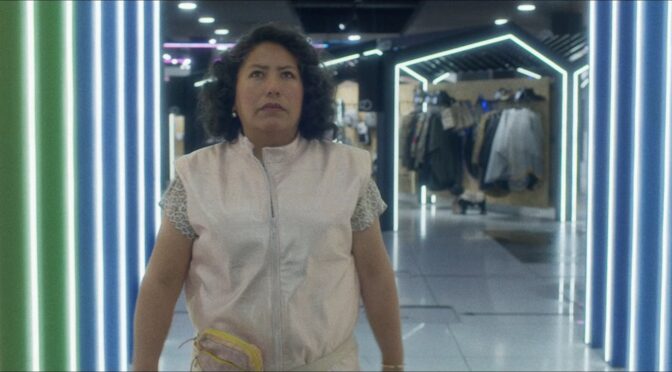
Todas las fuerzas, directed by Luciana Piantanida, proposes an analysis of the Latin American migrants’ situation in Buenos Aires through a controlled use of fantasy. Set in district Once, the movie combines social observation and more visionary narrative constructions, without fully adhering to the rules of a single genre.
Continua la lettura di “TODAS LAS FUERZAS” BY LUCIANA PIANTANIDA (ENG)