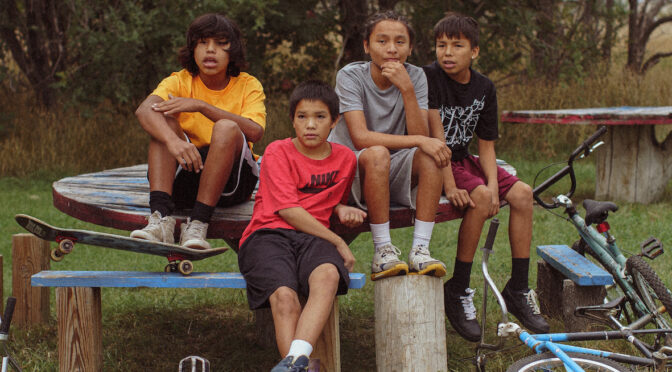
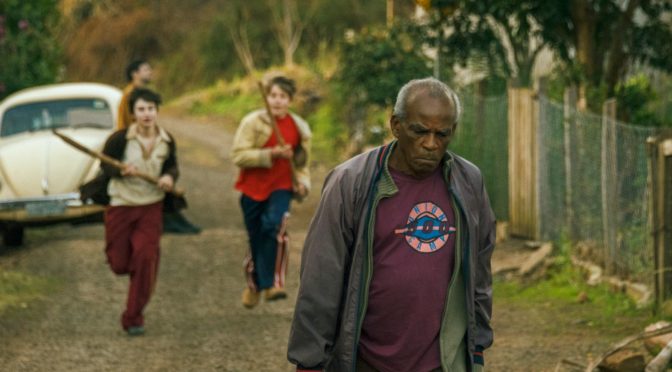
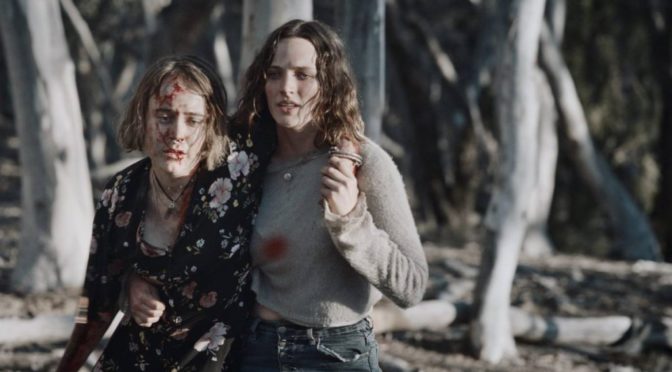
Presented and competing at the fortieth edition of Torino Film Festival, and already winner of the Camera d’Or at Cannes, competing in the Un Certain Regard section, War Pony marks the directing debut of actress Riley Keough and producer Gina Gammell, featuring an inspiring portrait of the Native American community, directly involved in the making of the film.
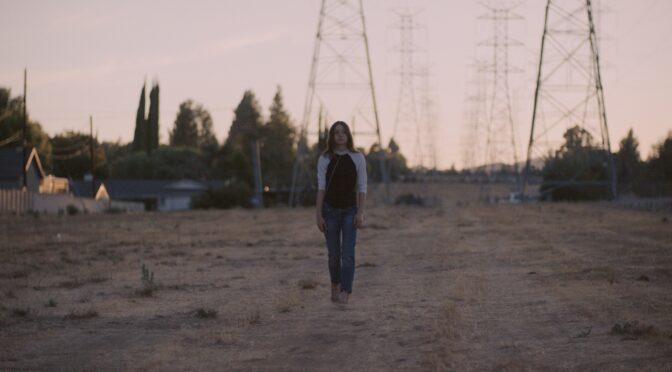
“Don’t murder me, ok?”. Con queste parole Lea (Lily McInerny), una giovane ragazza diciassettenne, risponde alla proposta di Tom (Jonathan Tucker), un uomo di trentacinque anni, di accompagnarla a casa in macchina dopo una brutta serata con gli amici. Il tono con cui Lea pronuncia la frase è ironico, ma il suo sguardo perso nel vuoto cela una reticenza di fondo. Forse, in quel breve istante di spensierata interdizione è racchiuso il nucleo di Palm Trees and Power Lines, opera prima di Jamie Dack, già vincitrice del premio alla miglior regia al Sundance Film Festival 2022 e presentata in concorso alla quarantesima edizione del Torino Film Festival.
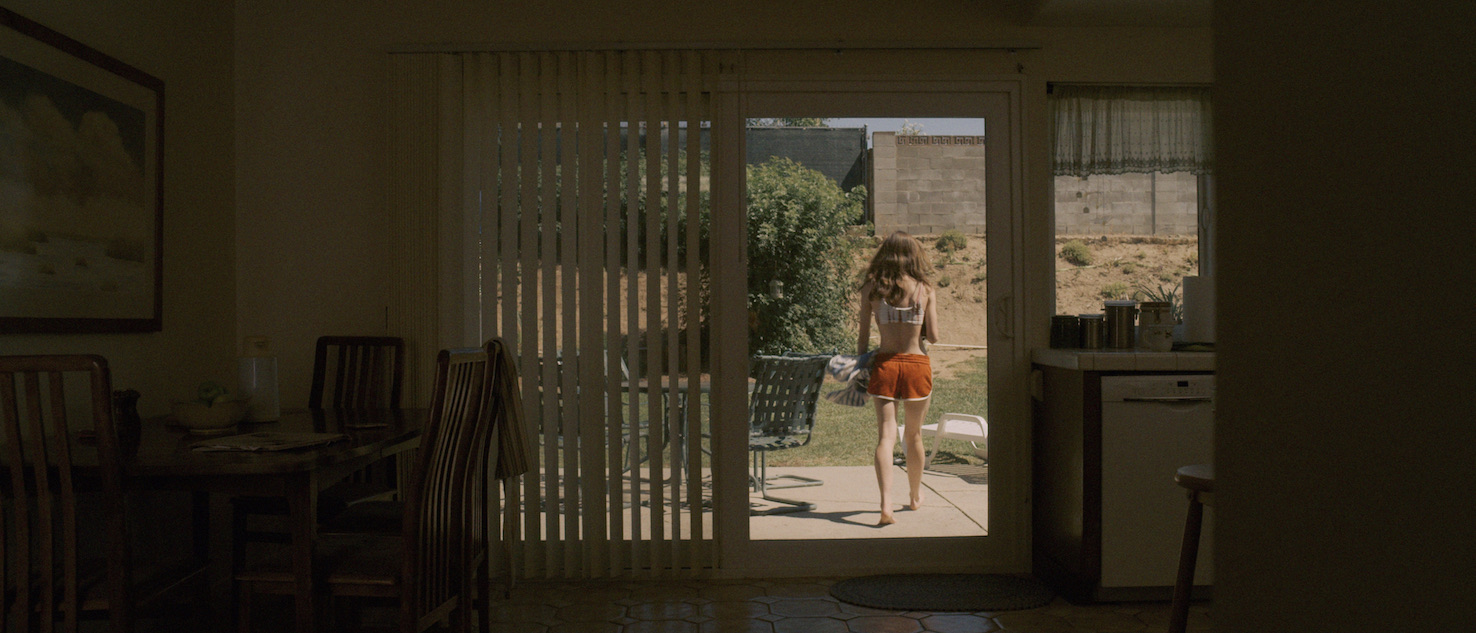
Il film presenta uno scorcio della vita di Lea durante le ultime settimane estive prima che ricominci la scuola: la sua quotidianità nella suburbia americana l’annoia, i suoi amici sono infantili e immaturi e il rapporto con la madre Sandra (Gretchen Mol) – unico membro della sua famiglia – è sempre più teso. L’incontro con Tom scuote la ragazza e le offre una via di fuga dalla sua realtà; Lea è affascinata da un uomo più grande ma allo stesso tempo non si lascia completamente andare. Tom si comporta come il fidanzato perfetto: la corteggia, le fa regali e la porta al mare, ma cela un lato oscuro che Lea decide di ignorare e che la porterà a fare i conti con un doloroso trauma nel finale.
L’intento politico del film è chiaro ma non offusca né la forma né il contenuto. L’opera, infatti, si misura con questioni spigolose come l’adescamento minorile e la difficile realtà di molte famiglie della periferia americana – proprio al personaggio di Lea sono delegate alcune delle battute più gravose come, rivolta alla madre: “Certa gente non dovrebbe avere il diritto di fare figli” – e, allo stesso tempo, offre delle soluzioni formali piuttosto insolite del dramma coming of age. Jamie Dack, infatti, rinuncia a virtuosismi stilistici per offrire una regia sobria e senza sbavature, dimostrando di voler comunicare una necessità, anzi un’urgenza nel narrare determinati eventi piuttosto che soffermarsi sulla componente visiva. Lo sguardo pulito e statico della cinepresa di Dack non solo offre nuove possibilità alla rappresentazione del genere, ma mette in mostra l’originalità del lavoro della regista e il coraggio con cui afferma una personale e autentica visione già a partire dalla sua prima opera.
“Don’t murder me, okay?” With these words Lea (Lily McInerny), a 17-year-old girl, responds to the proposal of Tom (Jonathan Tucker), a man in his mid-30s, to drive her home after a bad night out with friends. The tone in which Lea utters the sentence is ironic, but her lost gaze conceals an underlying reticence. Perhaps contained in that moment of carefree interdiction is the core of Palm Trees and Power Lines, Jamie Dack’s debut feature, which has already won Best Director at the 2022 Sundance Film Festival and was presented in competition at the 40th Turin Film Festival.
The film presents a glimpse of Lea’s life during the last weeks of summer before school starts again: her everyday life in the American suburbia bores her, her friends are childish and immature, and her relationship with her mother Sandra (Gretchen Mol) – the only member of her family – is becoming more tense. Meeting Tom shakes the girl up and offers her an escape from her reality. Lea is fascinated by the fact that Tom is older but at the same time she does not let herself go completely. Tom acts like the perfect boyfriend: he woos her, gives her gifts, and takes her to the beach, but he hides a dark side that Lea decides to ignore and that will lead her to come to terms with a painful trauma in the finale.
The political intent of the film is clear but does not cloud either the form or the content. The work, in fact, deals with such edgy issues as child grooming and the difficult reality of many families in the American suburbs. Furthermore, it also features many burdensome lines, the majority of which are delegated to Lea’s character. To bring an example, she says, referring to her mother, “Some people shouldn’t have the right to have children”. At the same time, the work offers some rather unusual formal solutions of the coming-of-age drama. Jamie Dack, in fact, forgoes stylistic virtuosity to offer understated, unadulterated direction, demonstrating a desire to communicate a need, indeed an urgency in narrating certain events rather than dwelling on the visual component. The clean, static look of Dack’s camera not only offers new possibilities to the representation of the genre, but also showcases the originality of the director’s work and the courage with which she affirms a personal and authentic vision even from her first work.
Presentato in concorso alla quarantesima edizione del Torino Film Festival, già vincitore della Camera d’Or a Cannes, dove concorreva nella sezione Un Certain Regard, War Pony segna l’esordio alla regia dell’attrice Riley Keough e della produttrice Gina Gammell, con un appassionante ritratto della comunità di nativi americani coinvolta direttamente nella realizzazione del film.
Never-ending opening credits, accompanied by shots of race cars burning rubber and going around in endless circles open the first feature film by Philippe Grégoire, premiered in competition at TFF39. The film, without sacrificing its biting humour, recounts a piece of Alexander Mastrogiuseppe’s life (Robert Naylor), a boy raised in Napierville, a remote and forgotten Canadian village, who leaves his birthplace to go work as a customs officer on the border between the US and Canada. Grégorie describes the same path which he has walked himself, going from living in his hometown to working as a customs officer, to be able to pay for his film studies. Migration towards a different world is just one of many points of contact between the director’s life and the protagonist’s. Indeed, he focuses on the cultural background to which he is bound, thanks to the racetrack built by his grandparents in Napierville.
Infiniti titoli di testa, accompagnati da immagini di macchine da corsa che, sgommando, compiono infiniti giri su sé stesse, aprono il primo lungometraggio di Philippe Grégoire, presentato in concorso al TFF39. Il film, non rinunciando a un pungente umorismo, racconta uno squarcio della vita di Alexander Mastrogiuseppe (Robert Naylor), cresciuto a Napierville, sperduto e dimenticato paesino canadese, che si allontana dal suo luogo natale per lavorare alla dogana tra U.S.A. e Canada. Grégorie racconta lo stesso percorso che ha vissuto lui passando dalla vita nel suo paesino natio al lavoro come doganiere per potersi pagare gli studi di cinema. La migrazione verso un mondo altro è solo uno dei punti di contatto tra la vita del regista e quella del protagonista. Grégorie si concentra infatti proprio su quell’humus culturale cui lui stesso è legato grazie alla pista per gare automobilistiche che i suoi nonni costruirono a Napierville.
Ancora prima delle immagini, è una luce bianca a suggerire le coordinate per la visione del film. Una luce che invade lo schermo e appare come un eccentrico sostituto del nero, su cui i titoli di testa scorrono al contrario, dall’alto verso il basso, suggerendo un percorso a ritroso. È proprio questo moto inverso lo spirito che muove Casa de antiguidades, del registra brasiliano João Paulo Miranda Maria, un’opera prima che guarda al passato per parlare del presente.
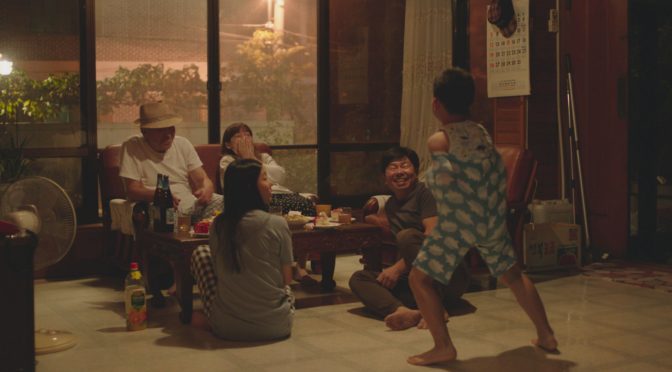
“I long that far away place, where my loved ones come from”: these song lyrics open “Moving on”, first Yoon Dan-bi work, winner of four awards at the Busan International Short Film Festival. These lyrics seem to suggest a return to the roots for the director, back to her starting point.
And this is also what happens to the main characters of Yoon’s film, a brother and a sister who leave the house of their divorced father, a humble street vendor selling knockoff designer shoes. The children move to their grandfather’s, a suffering old man who is often hospitalized.
“Bramo quel luogo lontano, dove vivono i miei cari”: su questi versi di una canzone si apre “Moving On”, opera prima di Yoon Dan-bi, premiata con ben 4 premi all’ultima edizione del festival di Busan. Versi che sembrano indicare un ritorno, per chi li ha scritti, alle proprie origini, al proprio nucleo di partenza.
Ed è proprio questo che accade ai due protagonisti, fratello e sorella, del film di Yoon quando, abbandonata la casa del padre divorziato, un modesto venditore ambulante di imitazioni di scarpe di marca, si trasferiscono nella casa del nonno paterno, un anziano sofferente e spesso costretto al ricovero in ospedale.
Ricorda, caro mio Sancho, chi ha di più deve fare di più.
Sono profondamente d’accordo. Potesse
spiegarglielo Quijote agli “ospiti” dell’hoyo.
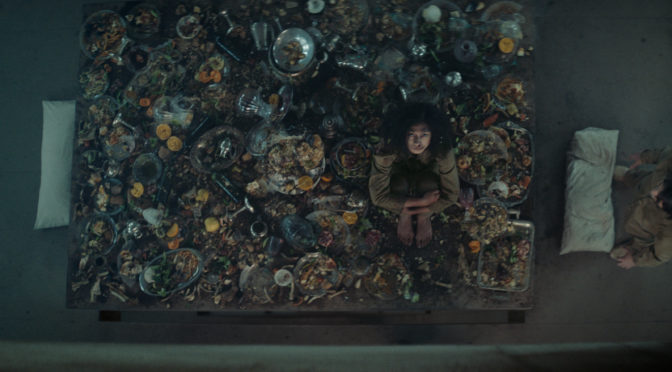
Goreng (Ivan Massagué) però lo sa bene. Ha scelto di portare con sé proprio il libro di Cervantes. Divide la stanza al 48esimo piano della Torre con il vecchio Trimagasi (Zorion Eguileor) e ogni mese si svegliano collocati in un piano diverso: chi sta più in su ha accesso ad una maggiore quantità di cibo, chi sta giù deve accontentarsi degli avanzi ma i poveri diavoli del fondo sono costretti al cannibalismo per sopravvivere, talvolta al suicidio a causa dell’ingordigia di chi sta sopra di loro. Il numero dei livelli, tuttavia, rimane sconosciuto.
Remember, my dear Sancho, who has more needs to do more.
I totally agree. I just wish Quijote could explain that to hoyo’s “guests”.
But Goreng (Ivan Massagué) knows it well, in fact he chose to take Cervantes’ book with him. He shares the Tower’s 48th floor room with the old Trimagasi (Zorion Eguileor), but every month they wake up on a different floor. Apparently, only who is on the highest floor have access to food, while people on the lower floors have to feed on the leftovers, and the poor devils at the bottom are forced to cannibalism in order to survive – or, even worse, to commit suicide due to the lack of food. Still, the number of these levels remains unknown.
Wet Season is the second work by Anthony Chen, a Malaysian director who already won the Camera d’Or in Cannes in 2012 with Ilo Ilo. It is the monsoon season in Malaysia, and rains don’t want to stop. There are bodies of water that reflect and amplify the state of mind of the characters who populate this film.
Wet Season è l’opera seconda di Anthony Chen, regista malesiano già vincitore a Cannes del premio Camera d’Or nel 2012 con Ilo Ilo. È la stagione dei monsoni in Malesia, le piogge non accennano a fermarsi, si formano specchi d’acqua che riflettono ed amplificano lo stato d’animo dei personaggi che popolano questa pellicola.
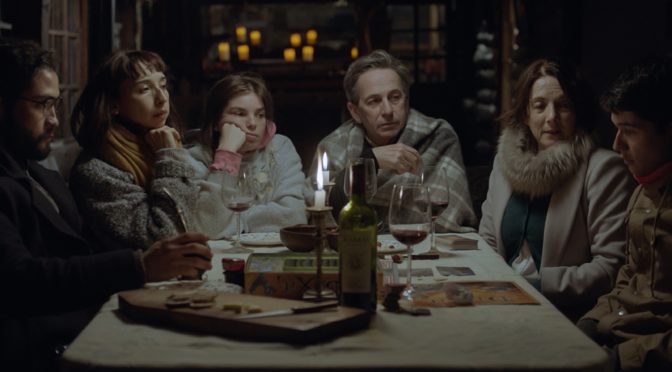
What do six abandoned people on a desert island turn into? Algunas Bestias tries to give an answer. The second featured film directed by the Chilean Jorge Riquelme Serrano opens the contest Turin 37.
Ana (Millaray Lobos), Alejandro (Gastón Salgado) and their teenage children decide to take Ana’s parents (Paulina García and Alfredo Castro) to a desert island to talk about their own project: building a holiday eco-resort. But all of sudden, the keeper disappears and the family remains without water, phone signal and at the mercy of cold.
In cosa si trasformano sei persone abbandonate su un’isola? A questa domanda vuole rispondere Algunas bestias, secondo lungometraggio del regista cileno Jorge Riquelme Serrano che apre il concorso Torino 37.
Ana (Millaray Lobos), Alejandro (Gastón Salgado) e i due figli adolescenti portano i genitori di lei (gli ottimi Paulina García e Alfredo Castro) su un’isola disabitata per proporre loro il progetto di un eco-resort per turisti, ma quando il custode/tuttofare scompare la famiglia si ritrova in balia del freddo, della mancanza di acqua, senza segnale telefonico.
Le Furie che ispirano il titolo di questo film sono, nella mitologia, divinità che puniscono chi viola l’ordine morale e vendicano i delitti di sangue. A partire da questo richiamo, Tony D’Aquino ha costruito un perverso gioco di oppressione e vendetta, che prende forma davanti agli occhi dello spettatore attraverso continui contrasti visivi e uditivi.
Il magazine delle studentesse e degli studenti del Dams/Cam di Torino
Utilizziamo i cookie per essere sicuri che tu possa avere la migliore esperienza sul nostro sito. Se continui ad utilizzare questo sito noi assumiamo che tu ne sia felice.