
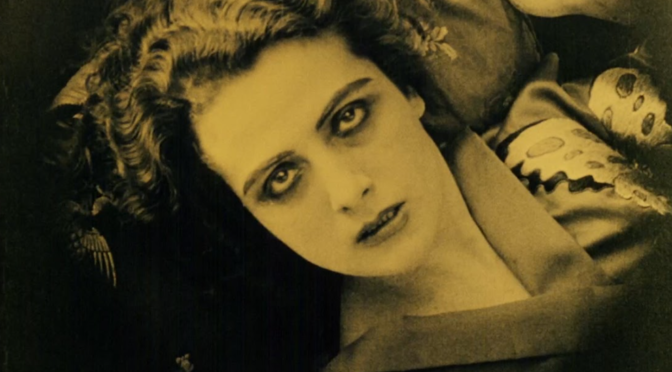
Italia, il fuoco e la cenere si presenta come un viaggio poetico e onirico attraverso le dive, i fantasmi, le luci e le ombre del cinema muto italiano. Ne esplora l’essenza più materica, avvicina la propria lanterna alla carne, ai corpi, alle spalle scoperte nella penombra, agli sguardi penetranti, alle convulsioni febbrili delle dive. La componente erotica è centrale: il cinema faceva tremare i benpensanti, nelle sale buie permetteva a donne e uomini di mescolarsi. L’esplorazione cinematografica diventa esplorazione storica e dipinge la realtà di un paese in continuo mutamento, dalle scene pompose e splendenti alla decadenza e all’abisso del fascismo che si avvicinano inesorabili.
Continua la lettura di “ITALIA, IL FUOCO E LA CENERE” DI OLIVIER BOHLER E CÉLINE GAILLEURDArchivi tag: torino film festival
“LIEVITO” DI CYOP&KAF
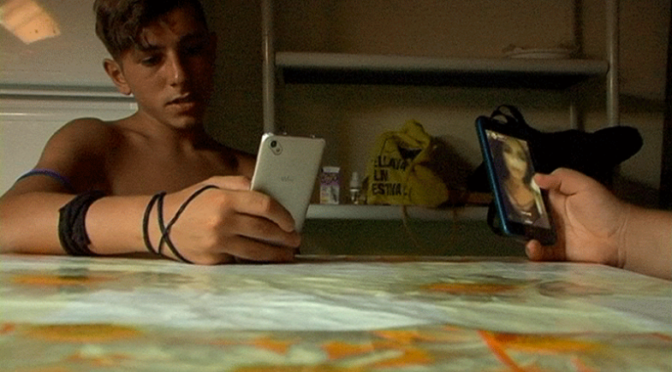
Il duo di street artist napoletani Cyop&kaf torna al cinema con un nuovo documentario, dopo il premiato Il segreto (2013), presentato alla 31esima edizione del Torino Film Festival. Il nuovo film, Lievito, è il risultato di una riflessione ventennale. Seguendo con la telecamera le giornate di una colonia estiva, un laboratorio teatrale all’interno di uno spazio museale e un dojo di judo, i registi si interrogano sulle pratiche educative, partendo dal grado zero della relazione allievo-maestro.
Continua la lettura di “LIEVITO” DI CYOP&KAF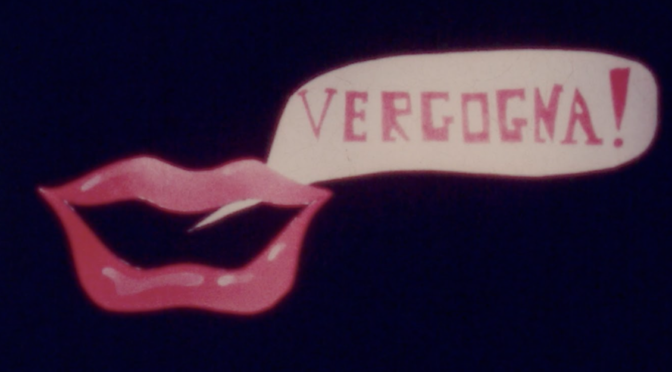
“UNDEAD VOICES” DI MARIA IORIO E RAPHAËL CUOMO; “È SOLO A NOI CHE STA LA DECISIONE” DI ISABELLA BRUNO
Un film amatoriale in Super 8mm del 1975, abbandonato nella cantina della regista per anni, deteriorato gravemente dall’umidità del lago vicino al quale vive: questo è il punto di partenza di Undead Voices, il documentario di Maria Iorio e di Raphaël Cuomo che si propone di riportare in vita il film femminista Donne emergete! di Isabella Bruno. La storia di Donne emergete! è quella di molti film del cinema femminista militante: «Non c’è stato sufficiente interesse verso la loro conservazione, sono state considerate opere non degne» commenta la curatrice e storica Annamaria Licciardello, sottolineando come questa problematica si aggiunga al già esiguo numero di femministe che si sono cimentate nella regia in questo periodo storico. «Si trattava di ragazze giovani che non avevano i mezzi per fare cinema, a loro volta mantenute a distanza, come ancora avviene, da tutto ciò che è tecnico-scientifico o tecnologico, e quindi di dominio maschile». È stato prodotto così poco e di quel poco si conserva una minima parte: «C’è un vero e proprio buco nella storia» aggiunge Licciardello.
Continua la lettura di “UNDEAD VOICES” DI MARIA IORIO E RAPHAËL CUOMO; “È SOLO A NOI CHE STA LA DECISIONE” DI ISABELLA BRUNO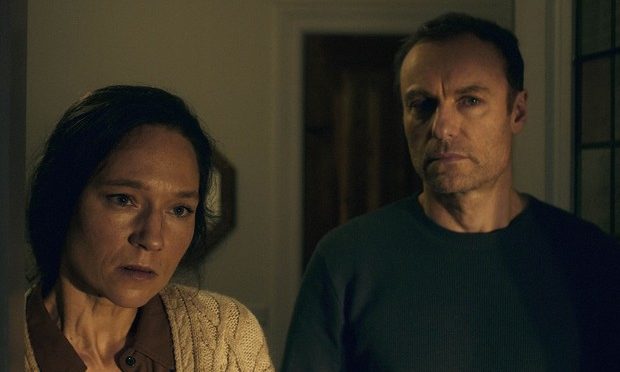
“DER MENSCHLICHE FAKTOR” DI RONNY TROCKER
«Ho l’impressione che più massiva è la nostra comunicazione e più prospettive e opinioni consumiamo, più superficiale questa comunicazione diventa». Così Ronny Trocker commenta il soggetto del suo film che, osservando le reazioni dei diversi membri di quella che sembra una perfetta famiglia tedesca – istruita, benestante e bilingue – a seguito di una piccola effrazione nella loro casa al mare, indaga i rapporti umani e le dinamiche, spesso disfunzionali, che li sottendono.
Continua la lettura di “DER MENSCHLICHE FAKTOR” DI RONNY TROCKER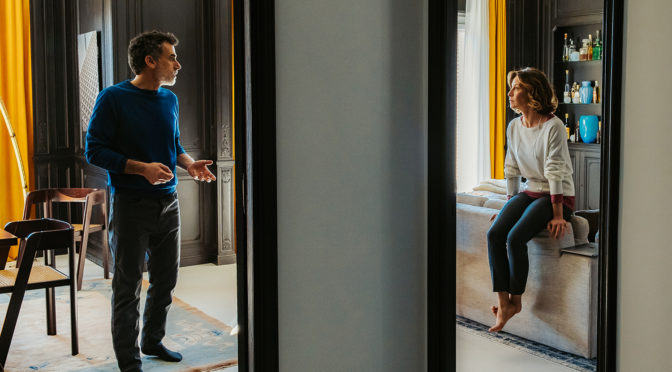
“QUATTORDICI GIORNI” BY IVAN COTRONEO
Article by Marco Ghironi
Translated by Alexandra Oancea
Presented out of competition at TFF39, “Quattordici giorni” is the fourth feature film directed by Ivan Cotroneo, an acknowledged Italian television author and screenwriter, who decided to turn into a movie one of his novels from 2020, co-written with Monica Rametta, who was also involved in the screenwriting of the movie.
Continua la lettura di “QUATTORDICI GIORNI” BY IVAN COTRONEO“QUATTORDICI GIORNI” DI IVAN COTRONEO
Presentato fuori concorso al TFF39, Quattordici giorni è il quarto lungometraggio di Ivan Cotroneo, affermato autore televisivo e sceneggiatore italiano che firma l’adattamento di un suo omonimo romanzo del 2020, scritto a quattro mani con Monica Rametta, co-sceneggiatrice anche di questa trasposizione.
Continua la lettura di “QUATTORDICI GIORNI” DI IVAN COTRONEO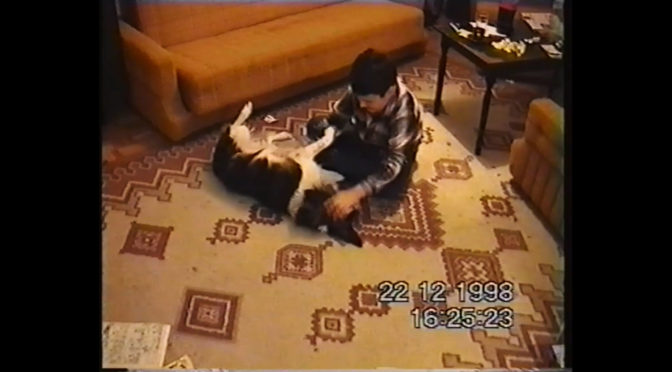
“RAMPART” BY MARKO GRBA SINGH
Article by Francesco Dubini
Translated by Federica Maria Briglia
The film director looks at the empty flat where he has lived for twenty-five years. It is for sale, it is bare. The walls, empty and livid, evoke memories, raise deep investigations through the memories. The movie begins with an empty house that fills itself, in the half-light, with the past childhood of those who lived there. Presented in the section “International competition.Doc” at the TFF39, Marko Grba Singh’s documentary reaches a powerful level of intimacy. Being almost a cinematographic biography, Rampart grasps and re-elaborates the director’s personal history and with it a painful extract of the history of his country: the war that, like a sudden storm, striked Belgrado on March 24th of 1999.
Continua la lettura di “RAMPART” BY MARKO GRBA SINGH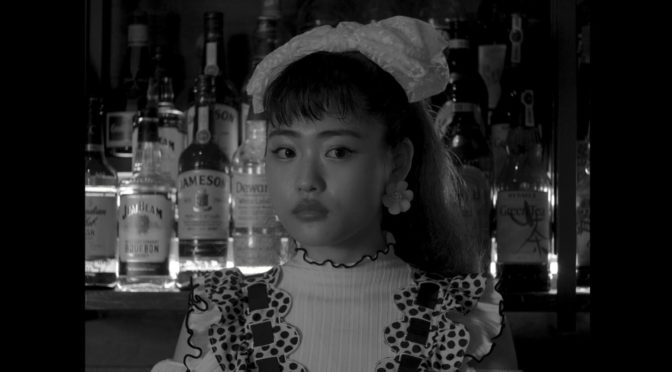
“EXTRANEOUS MATTER – COMPLETE EDITION” BY KENICHI UGANA
Article by Lisa Cortopassi
Translated by Rebeca Tirgovetu
Extraneous Matter – Complete Edition starts as an intimist movie with a “modest” (but steady) black and white 4:3 format and the familiar image of a bonsai, followed by a close-up of a sleeping girl who, once she has woken up, makes herself some coffee. Later the film, once the episodic nature is revealed, unexpectedly expands its gaze and leaves the domestic dimension of the girl’s house (who is not the main character) to turn to other characters and to the big city. In this way, it extends its reflection to a universal dimension deeply related to the demons of the contemporaneity.
Continua la lettura di “EXTRANEOUS MATTER – COMPLETE EDITION” BY KENICHI UGANA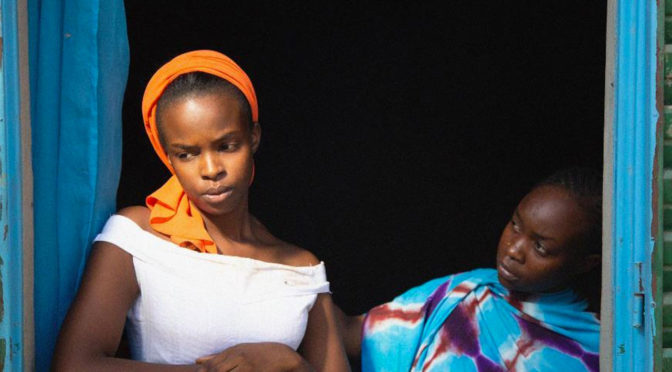
“LINGUI” BY MAHAMAT-SALEH HAROUN
Article by Alessandro Pomati
Translated by Giulia Baldo
The Chadian word “Lingui” implies the precept of harmonic cohabitation between the members of a community. It is not specified by how many members said community should be constituted, and the harmony ruling their cohabitation can be broken by various types of factors. In the case of Amina (Achouackh Abakar), a hawker who sells baskets made from wire netting, and of her daughter Maria (Rihane Khalil Ario), the factor is the unwanted pregnancy of the latter, which could potentially destroy their lives. On the one hand, the terror of suffering ostracism from the conservative Muslim community which they are part of, on the other hand the prospect, even more terrifying, of the girl having an abortion against her will. Despite the apparent inability of achieving such a venture, Maria is determined not to keep the baby, and Amina will not be able to remain by her side.
Continua la lettura di “LINGUI” BY MAHAMAT-SALEH HAROUN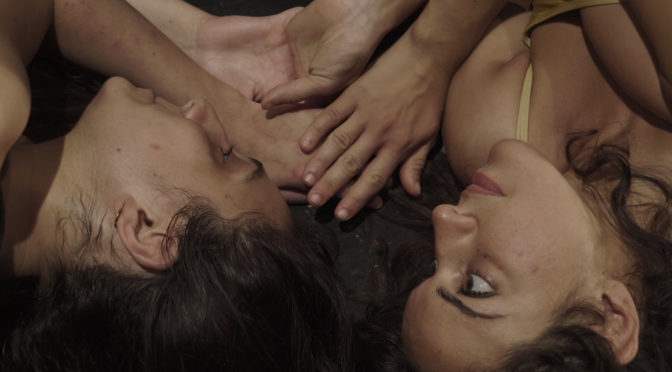
“CALYPSO” BY MARIANGELA CICCARELLO
Article by Giulia Seccia
Translated by Federica Maria Briglia
Mariangela Ciccarello’s movie, shown in the “Italiana.doc” section, presents itself as a documentary that follows the daily life of two actresses, Angela and Paola. It is focused on their rehearsals of dialogues about the mythical characters of Ulysses, Circe and Calypso. However, the dimension of reality constantly and gradually overflows into a dreamlike dimension, enveloping the protagonists’ bodies and fading their contours along with their words, especially when they act. In those moments, the Italian language of their dialogues mixes with the Neapolitan dialect of their considerations on the mythical characters.
Continua la lettura di “CALYPSO” BY MARIANGELA CICCARELLO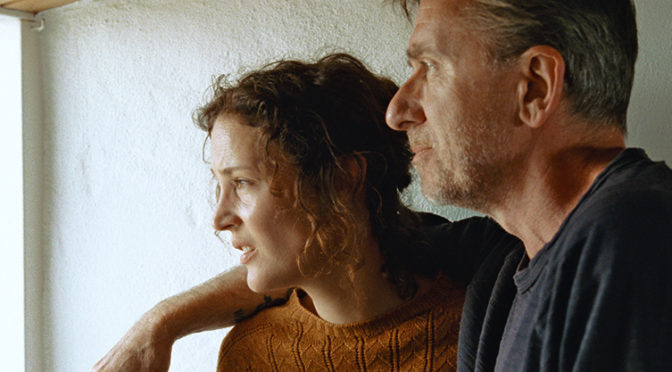
“BERGMAN ISLAND” BY MIA HANSEN-LØVE
Article by Enrico Nicolosi
Translated by Elena Soldà, Lorenzo Papa
With “Bergman Island”, the French director Mia Hanen-Løve made a film that turns into a deep (self)reflection on the creative process of the artist, taking up the themes dear to her and questioning her style of screenwriting. To do this, she creates a real alter ego, which has the features of Chris Sanders (Vicky Krieps), director and screenwriter. Together with her husband and filmmaker Tony (Tim Roth), Chris spends a summer writing her next film on the Swedish island of Fårö, famous residence of Ingmar Bergman.
Continua la lettura di “BERGMAN ISLAND” BY MIA HANSEN-LØVE“BERGMAN ISLAND” DI MIA HANSEN-LØVE
La regista francese Mia Hansen-Løve, con Bergman Island, costruisce un film che, riprendendo i temi a lei cari e mettendo in discussione il suo stile di sceneggiatura, si trasforma in una profonda (auto)riflessione sul processo creativo dell’artista. Per far ciò, mette in scena un vero e proprio alter ego, che ha le fattezze di Chris Sanders (Vicky Krieps), regista e sceneggiatrice. Chris, in compagnia del marito Tony (Tim Roth), anch’egli cineasta, si stabilisce per un’estate a scrivere il suo prossimo film sull’isola svedese di Fårö, celebre residenza di Ingmar Bergman.
Continua la lettura di “BERGMAN ISLAND” DI MIA HANSEN-LØVE“ExTRANEOUS MATTER” – COMPLETE EDITION” DI KENICHI UGANA
Extraneous Matter – Complete Edition si apre come un film intimista con un “modesto” (ma saldo) formato 4:3 in bianco e nero e l’immagine familiare di un bonsai, seguita dal primo piano di una ragazza addormentata che, una volta sveglia, si prepara un caffè. Più tardi il film, rivelata la natura episodica, allarga inaspettatamente il suo sguardo ed esce dalla dimensione domestica dell’abitazione della ragazza (che non è la protagonista), per rivolgersi ad altri personaggi e alla grande città. Estende così la sua riflessione a una dimensione universale profondamente legata ai demoni della contemporaneità.
Continua la lettura di “ExTRANEOUS MATTER” – COMPLETE EDITION” DI KENICHI UGANA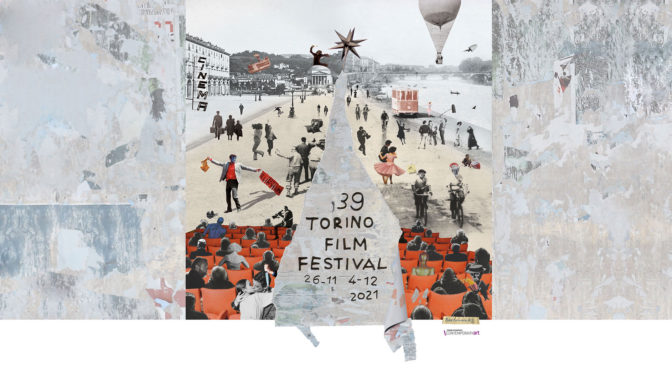
39 TORINO FILM FESTIVAL
Il ritorno in sala, la resistenza, il recupero della memoria
Annunciato la scorsa settimana durante la conferenza stampa al Cinema Massimo e in partenza il 26 novembre, il Torino Film Festival farà un grande ritorno in sala, dopo la scorsa edizione interamente online.
Con i suoi 181 titoli selezionati tra più di 4500 opere visionate, il Festival si propone non solo di continuare il proficuo dialogo con i suoi affezionati, sempre più esigenti e preparati, ponendo l’attenzione sul cinema di ricerca, la sperimentazione e la promozione di autori emergenti, ma anche di instaurare un rapporto con il grande pubblico.
“THE OAK ROOM” by CODY CALAHAN
Article by Andrea Bruno
Translated by Aurora Sciarrone
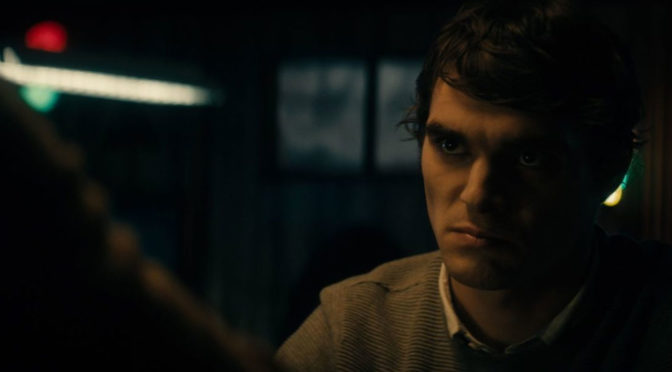
A bar, a few lights on: some dim colored neon-lights, the counter’s illumination, an old jukebox emitting a soft glare in a corner. Paul (Peter Outerbridge), the bartender, is about to close the place while outside in the night,a snowstormblows.All of a sudden Steve (RJ Mitte) bursts in,a wanderercarrying a story from a different bar, of a different bartender, of a different stranger brought there by the storm. From this first one, a lot more stories come up, while midnight approachesand someoneis relentlessly driving in the snow.
Continua la lettura di “THE OAK ROOM” by CODY CALAHAN“THE OAK ROOM” DI CODY CALAHAN
Un locale, poche luci ancora accese: qualche debole neon colorato, l’illuminazione del bancone, un vecchio juke-box che manda pigri bagliori da un angolo. Paul (Peter Outerbridge), il barista, si sta preparando a chiudere, mentre fuori è ormai notte e infuria una tempesta di neve. D’improvviso irrompe Steve (RJ Mitte), un viandante che porta con sé il racconto di un altro bar, di un altro barista e di un altro sconosciuto condotto lì dalla bufera. Da questa prima storia ne nascono molte altre, mentre la mezzanotte si avvicina e qualcuno guida inesorabile sotto la neve.
Continua la lettura di “THE OAK ROOM” DI CODY CALAHAN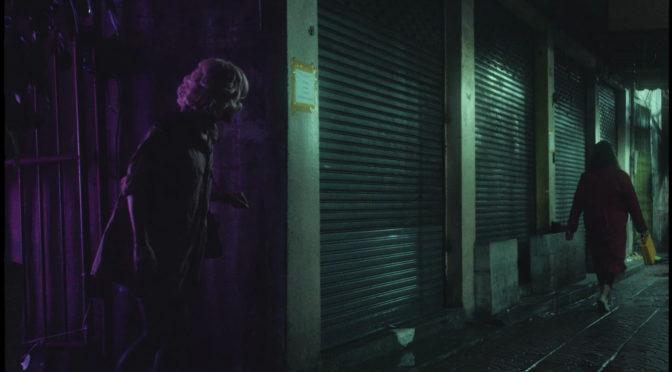
“RED ANINSRI OR TIPTOEING ON THE STILL TREMBLING BERLIN WALL” by RATCHAPOOM BOONBUNCHACHOKE and “MOM, I BEFRIENDED GHOSTS” by SASHA VORONOV
Article by Niccolò Buttigliero
Translated by Nadia Tordera
Red Aninsri opens with a dialogue between cats. They communicate through the most artificial of cinematographic techniques that allow them to speak: dubbing. No attempt to follow the expressions of their faces or their movements. The human voice adheres to their bodies forcibly asserting its technological superiority. That of Red Aninsri is a universe in which everything is exquisitely fake, where an incurable discrepancy remains between the images of the world and their sounds.
Continua la lettura di “RED ANINSRI OR TIPTOEING ON THE STILL TREMBLING BERLIN WALL” by RATCHAPOOM BOONBUNCHACHOKE and “MOM, I BEFRIENDED GHOSTS” by SASHA VORONOV“RED ANINSRI OR TIPTOEING ON THE STILL TREMBLING BERLIN WALL” DI RATCHAPOOM BOONBUNCHACHOKE E “MOM, I BEFRIENDED GHOSTS” DI SASHA VORONOV
Red Aninsri si apre con un dialogo tra gatti. Comunicano attraverso la più posticcia e artificiosa delle tecniche cinematografiche che gli consenta di proferir parola: il doppiaggio. Nessun tentativo di seguire le espressioni del loro muso, o le loro movenze. La voce umana aderisce ai loro corpi forzosamente, facendo valere la propria superiorità tecnologica. Un universo, quello di Red Aninsri, in cui tutto è squisitamente finto, dove tra le immagini del mondo e le loro sonorità permane una discrasia insanabile.
Continua la lettura di “RED ANINSRI OR TIPTOEING ON THE STILL TREMBLING BERLIN WALL” DI RATCHAPOOM BOONBUNCHACHOKE E “MOM, I BEFRIENDED GHOSTS” DI SASHA VORONOV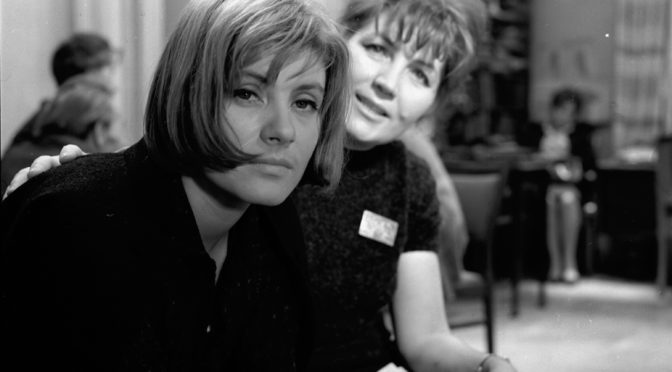
JULY RAIN” BY MARLEN KHUTSIEV – “A GEORGIAN TOAST” BY GIULIANO FRATINI
Article by Luca Giardino
Translated by Paola Macchiarella
« There’s nothing mystic [in my cinema], please, try to understand. It is only about remembrance, preserving other people’s memory and knowing what to do with the past. »..
These words reveal the unpretentiousness of a great artist who has a clear aim: to use images to sculpt an irreversibly transformed world. The camera is the most suitable instrument for analysing the life of a country which is slowly forgetting about its recent past and starting to rediscover the joy of ancient times: an archaic love for life which regains its space on the movie film. Marcel Khutsiev, main director of the “new wave” developed in the Soviet Union following Stalin’s death, revives in the Back To Life section of the Torino Film Festival with his 1967 feature film Iyulskiy dozhd (July Rain).
Continua la lettura di JULY RAIN” BY MARLEN KHUTSIEV – “A GEORGIAN TOAST” BY GIULIANO FRATINI“JULY RAIN” DI MARLEN KHUTSIEV – “UN BRINDISI GEORGIANO” DI GIULIANO FRATINI
«Non c’è nulla di mistico [nel mio cinema], capitemi, ha semplicemente a che fare con la memoria, con la conservazione della memoria degli altri e cosa fare con il passato».
Queste parole rivelano la modestia di un grande artista nell’inseguire un obiettivo preciso: scolpire con le immagini un mondo ormai irreversibilmente trasformato. La cinepresa si rivela essere lo strumento perfetto per scrutare la vita di un paese che, a piccoli passi, dimentica il suo recente passato e comincia a riscoprire le gioie di tempi ben più lontani: un arcaico amore per l’esistenza che ritrova spazio sulla pellicola cinematografica. Marcel Khutsiev, regista di punta di quella “nuova onda” nata in Unione Sovietica dopo la morte di Stalin, rivive a sua volta sugli schermi del Torino Film Festival nella sezione “Back to Life” con il suo lungometraggio Iyulskiy dozhd (July Rain) del 1967.
Continua la lettura di “JULY RAIN” DI MARLEN KHUTSIEV – “UN BRINDISI GEORGIANO” DI GIULIANO FRATINI