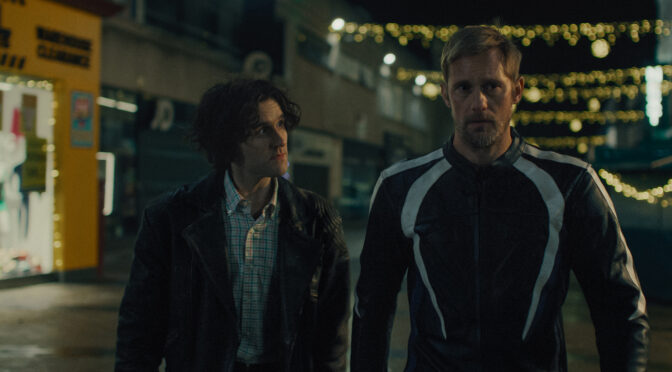
“Have you ever been with a biker?” With this teasing question begins the erotic and emotional odyssey of Colin (Harry Melling) in Harry Lighton’s feature debut, a film that delves into the intricate universe of dominant-submissive relationships. Winner of the Screenplay Prize in the Un Certain Regard section at Cannes, Pillion is presented in the Out of Competition category at the 43rd TFF.
«Sei mai stato con un motociclista?». Questa è la frase che dà inizio al viaggio erotico e sentimentale di Colin (Harry Melling) nel lungometraggio di esordio di Harry Lighton che esplora la galassia delle relazioni tra dominante e sottomesso, vincitore del Premio per la sceneggiatura nella sezione Un Certain Regard a Cannes e presentato Fuori Concorso al 43° TFF.
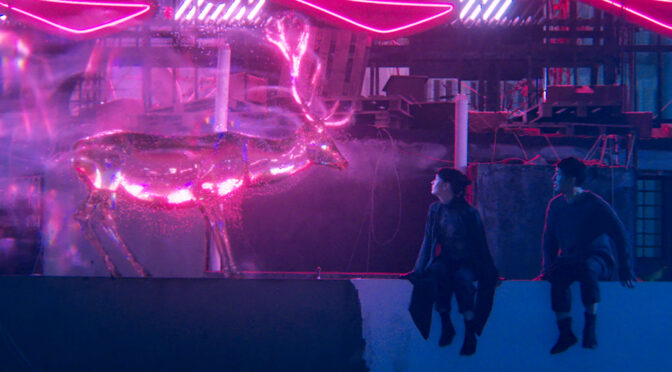
Family bonds are just as hard to break as they are to mend. However, if our reality is not enough to fill the emotional gap caused by unexpected and senseless separations, virtual reality transcends dimensional boundaries, offering unforeseen support in the search for a solution. «Reality is what you make of it» and LUZ, the VR game that lends its title to Flora Lau’s film that was presented out of competition at the 43rd Torino Film Festival, promises to deliver this experience.
I legami familiari sono tanto difficili da spezzare quanto da ricongiungere. Tuttavia, se la realtà che conosciamo non è sufficiente a colmare la distanza affettiva – causata da separazioni improvvise e inspiegate –, la realtà virtuale offre un controllo insperato nella ricerca della soluzione, trascendendo i confini dimensionali. «Reality is what you make of it» e LUZ, VR game che dà il titolo al film di Flora Lau, presentato fuori concorso alla 43ª edizione del Torino Film Festival, promette di farne esperienza.
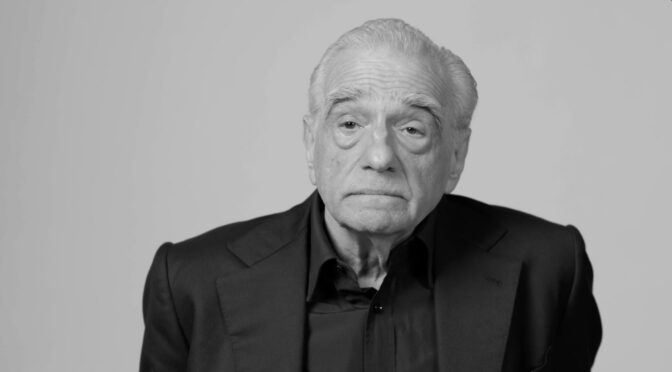
Ritratti di cinema explores cinema through the personal and analytical gaze of nine leading figures on the international scene: Jane Campion, Tim Burton, Ruben Östlund, Asghar Farhadi, Pablo Larraín, Damien Chazelle, Paul Schrader, Peter Greenaway and Martin Scorsese.
In Ritratti di cinema si indaga il cinema attraverso lo sguardo insieme personale e analitico di nove protagonisti della scena internazionale: Jane Campion, Tim Burton, Ruben Östlund, Asghar Farhadi, Pablo Larraín, Damien Chazelle, Paul Schrader, Peter Greenaway e Martin Scorsese.
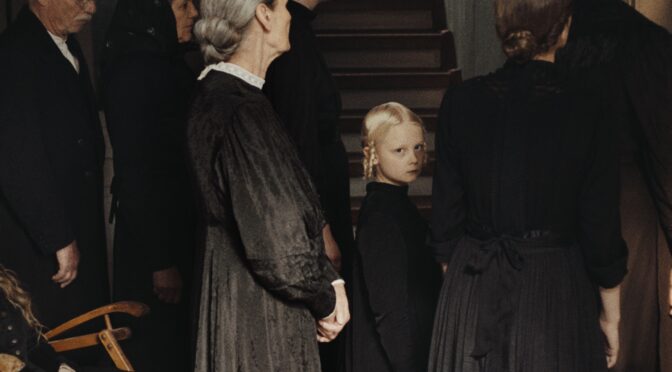
On a farm in northern Germany, four generations across four different eras — the 1910s, the 1940s, the 1980s and the 2000s — take turns inhabiting the same space over the course of a century. They appear separated by time, yet they are linked by the same thoughts, fears and desires. What happens in the past resonates in the present, and unresolved traumas return with force in the generations that follow.
In una fattoria nel nord della Germania, quattro generazioni in altrettante epoche (anni ’10, anni ’40, anni ’80 e anni 2000) si alternano in un secolo di storia, apparentemente separate dal tempo, ma intimamente accomunate da pensieri, paure e desideri. Ciò che succede nel passato, dunque, si riverbera sempre nel presente e i traumi irrisolti ritornano pungenti nelle generazioni successive.
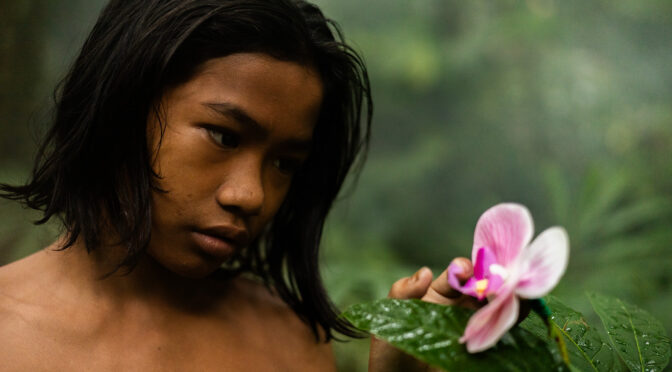
Presented in the feature film competition at the 43rd Torino Film Festival, Morgan Knibbe’s The Garden of Earthly Delights explores the connection between body, city and identity. In Manila’s Red Light District, two stories are intertwined: that of Ginto, a young boy who dreams of rising in the criminal world alongside the friend he is secretly in love with; and that of Michael, a Dutch tourist who arrives in the Philippines and ends up giving in to his darkest impulses, becoming a symbol of white privilege that continues to exert power over vulnerable bodies.
Presentato nel concorso lungometraggi del 43° Torino Film Festival, The Garden of Earthly Delights di Morgan Knibbe indaga il legame tra corpo, città e identità. Nel Red Light District di Manila si intrecciano le storie di Ginto, ragazzino che sogna un’ascesa criminale accanto all’amico di cui è segretamente innamorato, e Michael, turista olandese che approda nelle Filippine finendo per abbandonarsi ai suoi impulsi più oscuri e diventando il simbolo di un privilegio bianco che continua a esercitare potere su corpi vulnerabili.
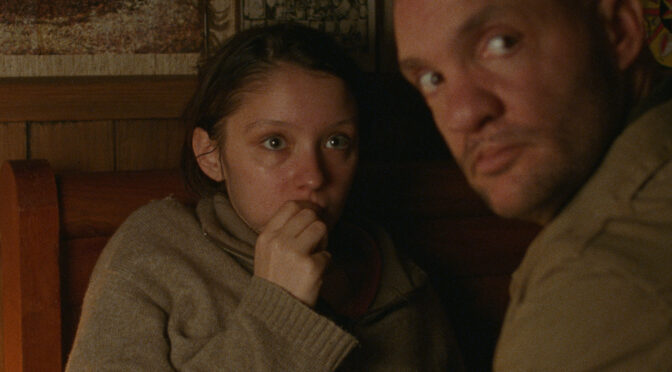
Julia Kowalski presents her second feature film, Que ma volonté soit faite, in Turin, which had already been selected for the Quinzaine des Cinéastes (Directors’ Fortnight) in Cannes. The director tells a dark-toned tale, completely immersed in the French rural areas, where a family of Polish immigrants – just like her parents – runs a cattle farm. An obscure sequence of events unfolds between cowsheds and farmland, firmly bound to faith and sin, redemption and damnation.
Julia Kowalski presenta a Torino il suo secondo lungometraggio di finzione Que ma volonté soit faite, già selezionato a Cannes nella sezione Quinzaine des Cinéastes. La regista racconta una storia dai toni cupi, completamente immersa nelle aree rurali francesi, in cui una famiglia di immigrati polacchi – come furono i suoi genitori – gestisce un allevamento di mucche. Stalle e campagne sono gli orizzonti visivi di una vicenda oscura, intrecciata saldamente a fede e peccato, redenzione e dannazione.
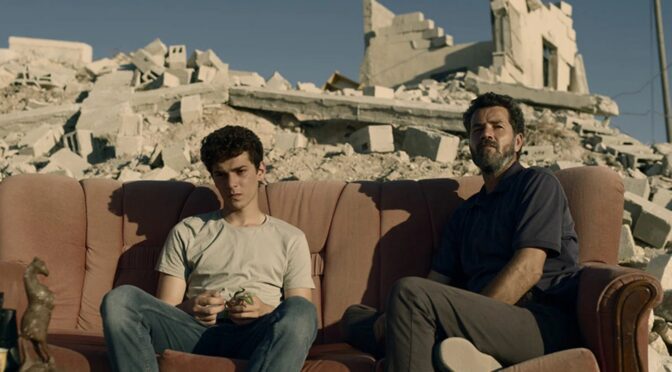
The death of a brother, son, or friend is one of the worst tragedies a human being can experience. But how much time is left for individual mourning when an entire country is falling apart under the siege of settlers?
La morte di un fratello, di un figlio o di un amico è una tra le peggiori tragedie esperibili dall’essere umano. Ma quanto tempo rimane per il lutto individuale quando un intero Paese sta cadendo a pezzi sotto l’assedio dei coloni?
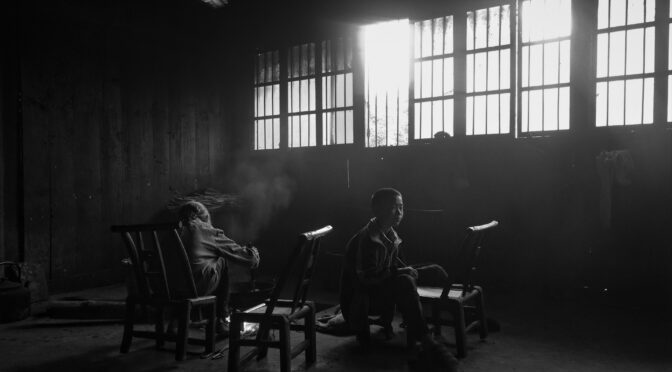
With Always, competing in the documentaries section of the 43rd Torino Film Festival, Deming Chen delivers a work of rare delicacy, a film that tiptoes into the solitude of a child gifted with extraordinary sensitivity.
Con Always, in concorso nella sezione documentari alla 43ª edizione del Torino Film Festival, Deming Chen firma un’opera di rara delicatezza, un documentario che si muove in punta di piedi dentro la solitudine di un bambino dalla spiccata sensibilità.
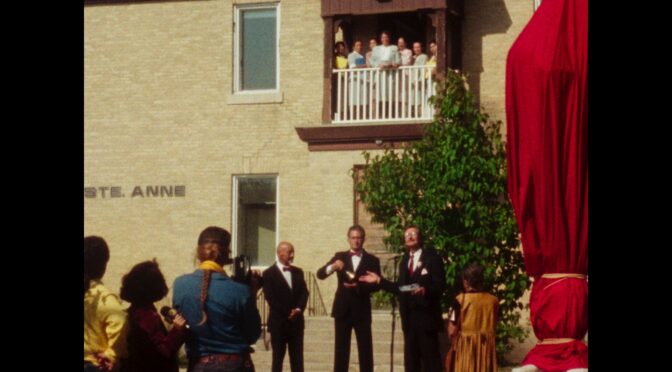
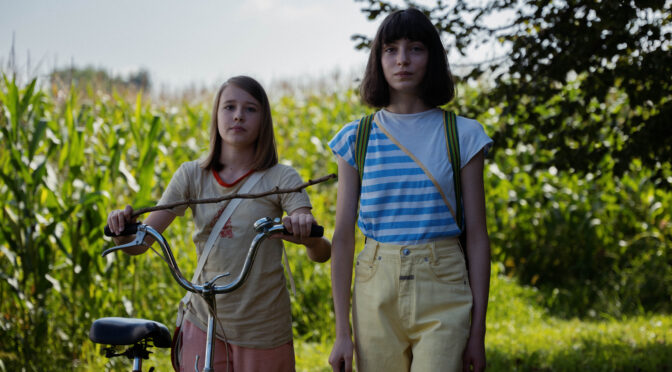
What if one day the sun won’t rise again? This absurd hypothesis becomes reality in Levers, the second feature film by Canadian director Rhayne Vermette.
E se un giorno il sole non dovesse sorgere? Questa ipotesi assurda diventa la realtà di Levers, secondo lungometraggio della regista canadese Rhayne Vermette.
Death is looming over a small Slovenian village, incarnating in the mysterious figure of a man covered in flowers and colorful ribbons. It will fall to a young girl to deal with him. Unable to understand the inevitability of fate, she joins a choir in the attempt to keep her grandmother alive, believing that a song heard coming from afar once saved her grandmother when she was at death’s door.
La morte incombe su piccolo villaggio sloveno, materializzandosi nella misteriosa figura di un uomo ricoperto di fiori e nastri colorati. A doverci fare i conti è una bambina che, incapace di comprendere l’ineluttabilità del destino e credendo che in punto di morte la nonna sia stata salvata da un canto udito in lontananza, decide di unirsi a un coro per mantenerla in vita.
Il magazine delle studentesse e degli studenti del Dams/Cam di Torino
Utilizziamo i cookie per essere sicuri che tu possa avere la migliore esperienza sul nostro sito. Se continui ad utilizzare questo sito noi assumiamo che tu ne sia felice.