Archivi tag: in evidenza

“THE SILENCE OF LIFE” BY NINA BLAŽIN

Article by Alessandra Sottini

Translation by Federica Riccardi

On an ordinary day, Manca Košir explains to his family the secret of the enchanting cherry blossom: its beauty captivates the observer, but its brittleness and the passage of time make quickly fade that instant of wonder. The eternity of being is enclosed in the celebratory activity of life, day by day. Slovenian director Nina Blažin, who has experienced first-hand the loss of a loved one, feels close to the joyful and combative personality of the protagonist of The Silence of Life, filmed between 2019 and 2023.

Continua la lettura di “THE SILENCE OF LIFE” BY NINA BLAŽIN →

“THE SILENCE OF LIFE” DI NINA BLAŽIN

In un giorno come tanti, Manca Košir spiega alla sua famiglia il segreto dell’incantevole fiore del ciliegio: la sua bellezza cattura l’osservatore, ma la sua fragilità e lo scorrere del tempo fanno svanire velocemente quell’istante di meraviglia. L’eternità dell’essere, dunque, è conchiusa nell’attività celebrativa della vita, giorno dopo giorno. La regista slovena Nina Blažin, che ha vissuto in prima persona la perdita di una persona amata, si sente vicina alla personalità gioiosa e combattiva della protagonista di The Silence of Life, girato tra il 2019 e il 2023.

Un gioco di opposizioni, o un ossimoro lirico, sembra suggerire il titolo del film in concorso nella sezione documentari internazionali della 42ª edizione del Torino Film Festival. The Silence of Life sembra dirci che il silenzio non è sempre l’unica arma a disposizione contro l’inevitabilità della morte: colpita da un cancro alla gola, Manca contrasta questo destino avverso con specifici esercizi di pronuncia.

The Silence of Life (2024) di Nina Blažin

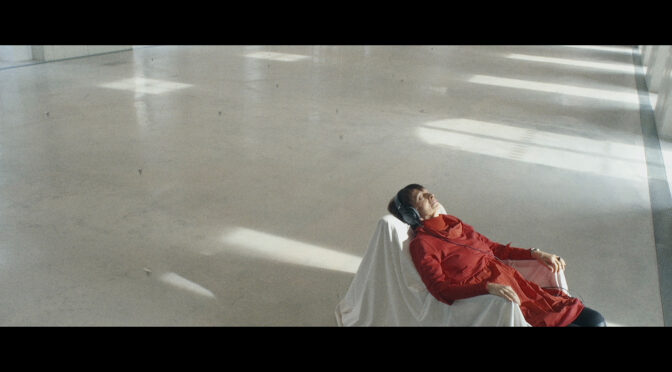
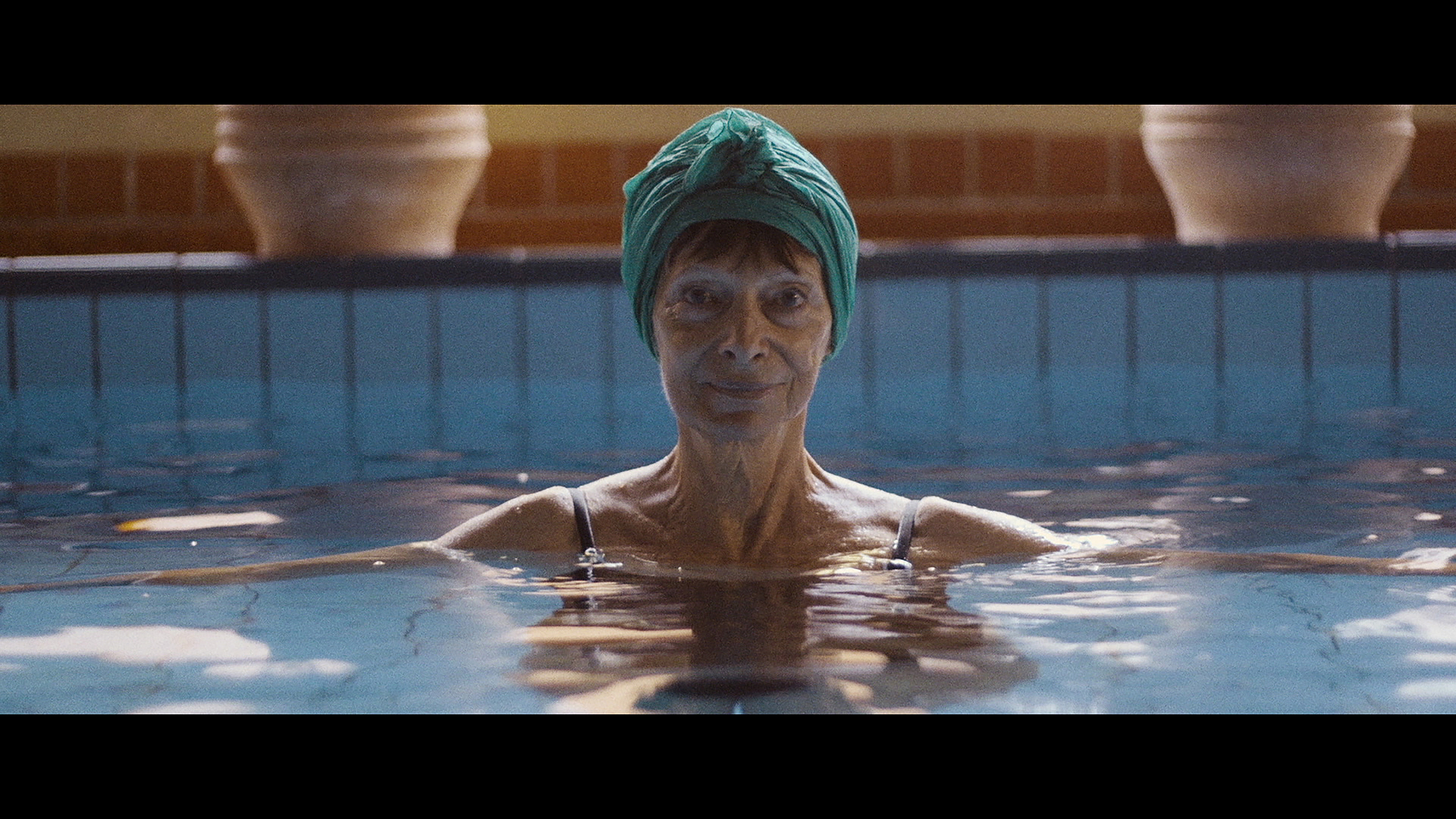
La macchina da presa indaga e osserva questa donna tanto tenace quanto più consapevole della sua condizione. Tuttavia, lo sguardo documentario non è “raffreddato” dalle consuete tecniche di pedinamento e di avvicinamento perché è Manca stessa a far vivere allo spettatore la propria storia: nonostante il peso opprimente del tempo che scorre, è lei ad abitare lo spazio con i gesti e le parole e a colorare l’ambiente con i suoi vestiti (predominano il rosso, il giallo e il rosa).

«La morte fa parte della nostra esistenza e dobbiamo prenderla come tale». Questa è dunque la traccia indelebile lasciata da Manca Košir.

Alessandra Sottini

“CITY OF WIND” DI LKHAGVADULAM PUREV-OCHIR

“La figura dello sciamano nasce nelle società primitive per risolvere problematiche di base per la sopravvivenza delle società. Egli tende ad assumere un comportamento di carattere estatico, ponte fra le energie spirituali e quelle terrene, canale della volontà divina e delle forze della natura che mette a disposizione dell’umanità attraverso l’amore e la comprensione”. Questa una descrizione accademica dello sciamano, figura protagonista di City of Wind (2023), opera prima della regista mongola Lkhagvadulam Purev-Ochir, presentato nella Sezione Orizzonti dell’80a Mostra del Cinema di Venezia.

Continua la lettura di “CITY OF WIND” DI LKHAGVADULAM PUREV-OCHIR →

“CITY OF WIND” BY LKHAGVADULAM PUREV-OCHIR

Article by Greta Maria Sorani

Translation by Federica Lozito

“The figure of the shaman arose in primitive societies to solve basic problems for the survival of societies. He tends to assume the behavior of an ecstatic character, acting as a bridge between spiritual and earthly energies, a channel for the divine will and for the forces of nature that he makes available to humanity through love and understanding”. This is an academic description of the shaman, the leading figure in City of Wind (2023), the feature debut by Mongolian director Lkhagvadulam Purev-Ochir, which was presented in the Horizons section of the 80th Venice Film Festival.

Continua la lettura di “CITY OF WIND” BY LKHAGVADULAM PUREV-OCHIR →

“NERO” BY GIOVANNI ESPOSITO

Article by Carlotta Profico

Translation by Silvia Matera

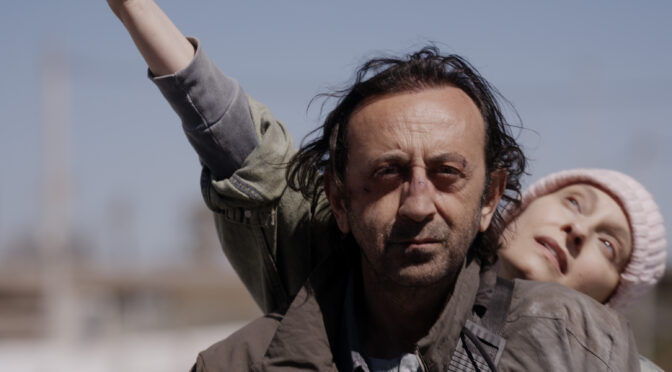
After committing a robbery, a bandit discovers he has extraordinary powers that will lead him to choose whether to save himself or others. In an era seemingly dominated by selfishness, Nero, the directorial debut of well-known actor Giovanni Esposito, focuses on sacrifice and caring for others.

Continua la lettura di “NERO” BY GIOVANNI ESPOSITO →

“NERO” DI GIOVANNI ESPOSITO

Dopo aver compiuto una rapina, un bandito scopre di avere poteri straordinari che lo porteranno a dover scegliere se salvare sé stesso o gli altri. In un’epoca che sembra dominata dall’egoismo, Nero, l’esordio alla regia del noto attore Giovanni Esposito, pone l’accento sul sacrificio e la cura dell’altro.

Continua la lettura di “NERO” DI GIOVANNI ESPOSITO →

“KASA BRANCA” BY LUCIANO VIDIGAL

Article by Romeo Gjokaj

Translation by Aurora Monteleone

The passing trains offer something unexpectedly precious to young Dé (Big Jaum). The movement of the carriages, their metallic and continuous rhythm, evokes the flow of life. For this reason, whenever he feels the need, Dé climbs the bridge overlooking the tracks with his grandmother Almerinda (Teca Pereira), who suffers from Alzheimer’s. Thus, both can silently watch the trains pass beneath them, giving themselves the illusion of being above their problems, if only for a brief moment.

Continua la lettura di “KASA BRANCA” BY LUCIANO VIDIGAL →

“KASA BRANCA” DI LUCIANO VIDIGAL

Il passaggio dei treni offre qualcosa di inaspettatamente prezioso al giovane Dé (Big Jaum). Il movimento dei vagoni, il loro ritmo metallico e continuo, ricordano il moto della vita; per questo motivo, quando ne sente il bisogno, Dé sale sul ponte che si affaccia sui binari insieme alla nonna Almerinda (Teca Pereira) malata di Alzheimer. Così, entrambi possono osservare in silenzio i treni scorrere sotto di loro, illudendosi di trovarsi al di sopra dei propri problemi, almeno per qualche istante. 

Continua la lettura di “KASA BRANCA” DI LUCIANO VIDIGAL →

“PARADIS PARIS” BY MARJANE SATRAPI

Article by Ludovico Franco

Translation by Federica Riccardi

Through the metropolitan network of Paris, the most faithful companion of human life roams about: death. Having become famous with Persepolis, Marjane Satrapi – illustrator and cartoonist even before being a director – assigns the role of absolute protagonist to the Grim Reaper in her latest film. In all its forms and declinations, we see her disrupt the lives of different characters, woven into a vast plot whose interweavings slowly emerge.

Continua la lettura di “PARADIS PARIS” BY MARJANE SATRAPI →

“PARADIS PARIS” DI MARJANE SATRAPI

Nel reticolo metropolitano di Parigi, si aggira la più fedele compagna della vita umana: la morte. Diventata celebre con Persepolis, Marjane Satrapi – illustratrice e fumettista ancor prima che regista – assegna alla Grande Mietitrice il ruolo di assoluta protagonista del suo ultimo film. In tutte le sue forme e declinazioni, la vediamo sconvolgere le esistenze di diversi personaggi, cuciti in una vasta trama di cui pian piano emergono gli intrecci.

Continua la lettura di “PARADIS PARIS” DI MARJANE SATRAPI →

“UN MILIONE DI GRANELLI DI SABBIA” BY ANDREA DEAGLIO

Article by Giorgia Andrea Bergamasco

Translation by Silvia Matera

While there are numerous accounts of the painful devastation caused by wars, genocides and natural disasters, less focus is given to the actions that capture the essential human effort towards rebirth and self-reconstruction.

Continua la lettura di “UN MILIONE DI GRANELLI DI SABBIA” BY ANDREA DEAGLIO →

“UN MILIONE DI GRANELLI DI SABBIA” DI ANDREA DEAGLIO

Se le testimonianze delle dolorose devastazioni causate da guerre, genocidi e catastrofi naturali sono numerose, meno spazio viene invece dedicato alle azioni che documentano la vitale spinta umana verso la rinascita e la ricostruzione del sé.

Continua la lettura di “UN MILIONE DI GRANELLI DI SABBIA” DI ANDREA DEAGLIO →

“MY DEAD FRIEND ZOE” BY KYLE HAUSMANN-STOKES

Article by Davide Lassandro

Translation by Linh Carrara

Films that are devoted to the terrible consequences of post-traumatic stress disorder (or PTSD) nowadays constitute a new cinematic genre, this genre is used by Kyle Hausmann-Stokes in his first feature-length film, My Dead Friend Zoe. The Film is a black comedy which deliberately tries to mitigate a subject that is so sensitive, especially for Americans, and too often overlooked. The director himself, who enlisted shortly before November the 9th and retired in 2008, is a former Army paratrooper. Moreover, in addition to making social-impact short films and commercials for various companies, he has been trying his hand at studying cinema for these past fourteen years thanks to the support provided by the Post-9/11 Veterans Educational Assistance Act.

Continua la lettura di “MY DEAD FRIEND ZOE” BY KYLE HAUSMANN-STOKES →

“MY DEAD FRIEND ZOE” DI KYLE HAUSMANN-STOKES

I film dedicati alle terribili conseguenze dei disturbi da stress post-traumatico (o PTSD) costituiscono ormai un vero e proprio filone cinematografico, in cui si inserisce il primo lungometraggio di Kyle Hausmann-Stokes, My Dead Friend Zoe: una commedia nera che, volutamente, prova a mitigare un tema tanto delicato, specie per gli americani, e troppo spesso trascurato. Il regista stesso, arruolatosi poco prima dell’11 Settembre e ritiratosi nel 2008, è un ex-paracadutista dell’esercito che, oltre ad aver realizzato cortometraggi di impatto sociale e spot pubblicitari per diverse aziende, da quattordici anni si cimenta nello studio del cinema grazie al sostegno garantito dal Post-9/11 Veterans Educational Assistance Act.

Continua la lettura di “MY DEAD FRIEND ZOE” DI KYLE HAUSMANN-STOKES →

“NORWEGIAN DEMOCRAZY”, BY FABIEN GREENBERG E BÅRD KJØGE RØNNING

Article by Greta Maria Sorani

Translation by Alice Segato

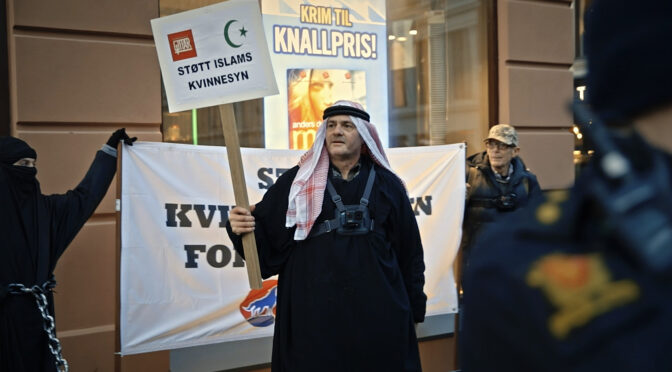
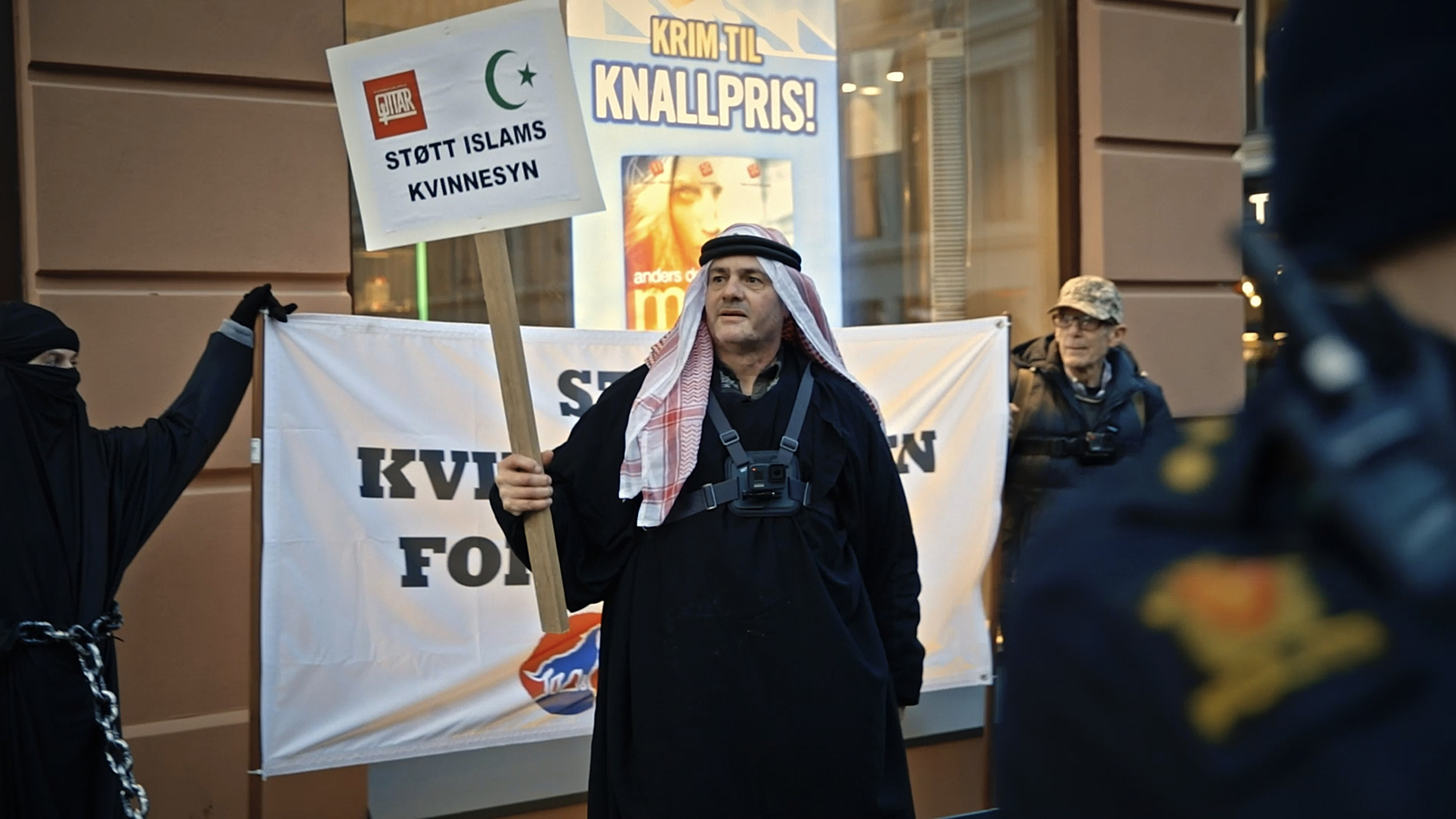
“Everyone may express themselves freely about the government of the State and on any other subject,” this is what the Article 100 of the Constitution of the Norwegian Kingdom claims, and it seems that the members of the so-called group SIAN (Stop Islamization of Norway) have decided to apply it literally by publicly attacking the Islamic religion.

Continua la lettura di “NORWEGIAN DEMOCRAZY”, BY FABIEN GREENBERG E BÅRD KJØGE RØNNING →

“NORWEGIAN DEMOCRAZY” DI FABIEN GREENBERG E BÅRD KJØGE RØNNING

“Tutti possono esprimersi liberamente sul governo dello Stato e su qualsiasi altro argomento”, così recita l’articolo 100 della Costituzione del Regno Norvegese e sembra che in merito a ciò i membri del gruppo SIAN (Stop Islamization of Norway) abbiano deciso di applicarlo in maniera letterale attaccando pubblicamente la religione islamica.

Continua la lettura di “NORWEGIAN DEMOCRAZY” DI FABIEN GREENBERG E BÅRD KJØGE RØNNING →

“NINA” BY ANDREA JAURRIETA

Article by Ludovico Franco

Translation by Martina Marino

Čechov coined a now well-known dramaturgical principle: if there’s a shotgun on stage, it must go off. Nina (Patricia L. Arnaiz), whose name directly references The Seagull, always carries that shotgun with her. After thirty years in Madrid, she returns to her hometown, ready to strike. Like a hunter, she waits for the perfect moment to exact revenge on the man who abused her when she was just a young girl, a niña.

Continua la lettura di “NINA” BY ANDREA JAURRIETA →

“NINA” DI ANDREA JAURRIETA

Čechov ha coniato un principio drammaturgico ormai celebre: se in scena c’è un fucile, non può non sparare. Nina (Patricia L. Arnaiz), il cui nome rimanda proprio a Il gabbiano, quel fucile lo porta sempre con sé. Dopo trent’anni a Madrid, ritorna nella sua città natale, pronta a colpire. Come una cacciatrice, attende il momento ideale per vendicarsi dell’uomo che abusava di lei quando era ragazza, una niña.

Continua la lettura di “NINA” DI ANDREA JAURRIETA →

“L’AIGUILLE” BY ABDELHAMID BOUCHNACK

Article by Beatrice Bertino

Translation by Irene Pezzini

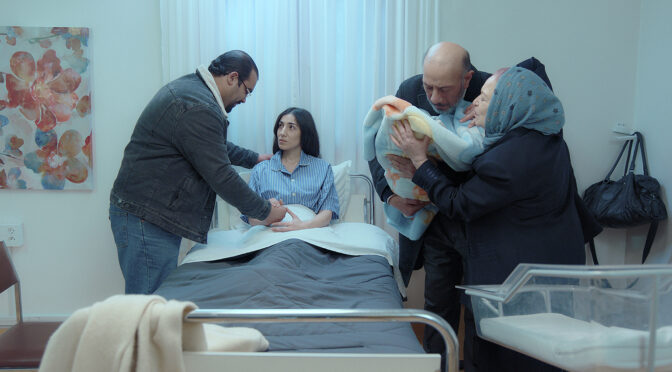
A love story and the desire to create a family are the starting point of Abdelhamid Bouchnack’s film. Mariem, an orphan, who does not wear the veil, and Dalì, a Muslim who prays from time to time, are two young Tunisians who represent the avant-garde to which their country aspires. The birth of their child, however, reveals the deep uncertainties that govern a stagnant culture.

Continua la lettura di “L’AIGUILLE” BY ABDELHAMID BOUCHNACK →

“L’AIGUILLE” DI ABDELHAMID BOUCHNACK

Una storia d’amore e il desiderio di creare una famiglia sono il punto di partenza del film di Abdelhamid Bouchnack. Mariem, orfana e senza il velo, e Dalì, un mussulmano che a volte prega e altre no, sono due giovani tunisini che rappresentano l’avanguardia a cui aspira il loro Paese. Tuttavia, la nascita di unə figliə fa emergere e rivela le profonde incertezze che governano una cultura stagnante.

Continua la lettura di “L’AIGUILLE” DI ABDELHAMID BOUCHNACK →